The Legend of Zelda: Ocarina of Time Remake on Switch 2: Release Date, Price and What's New, Explained
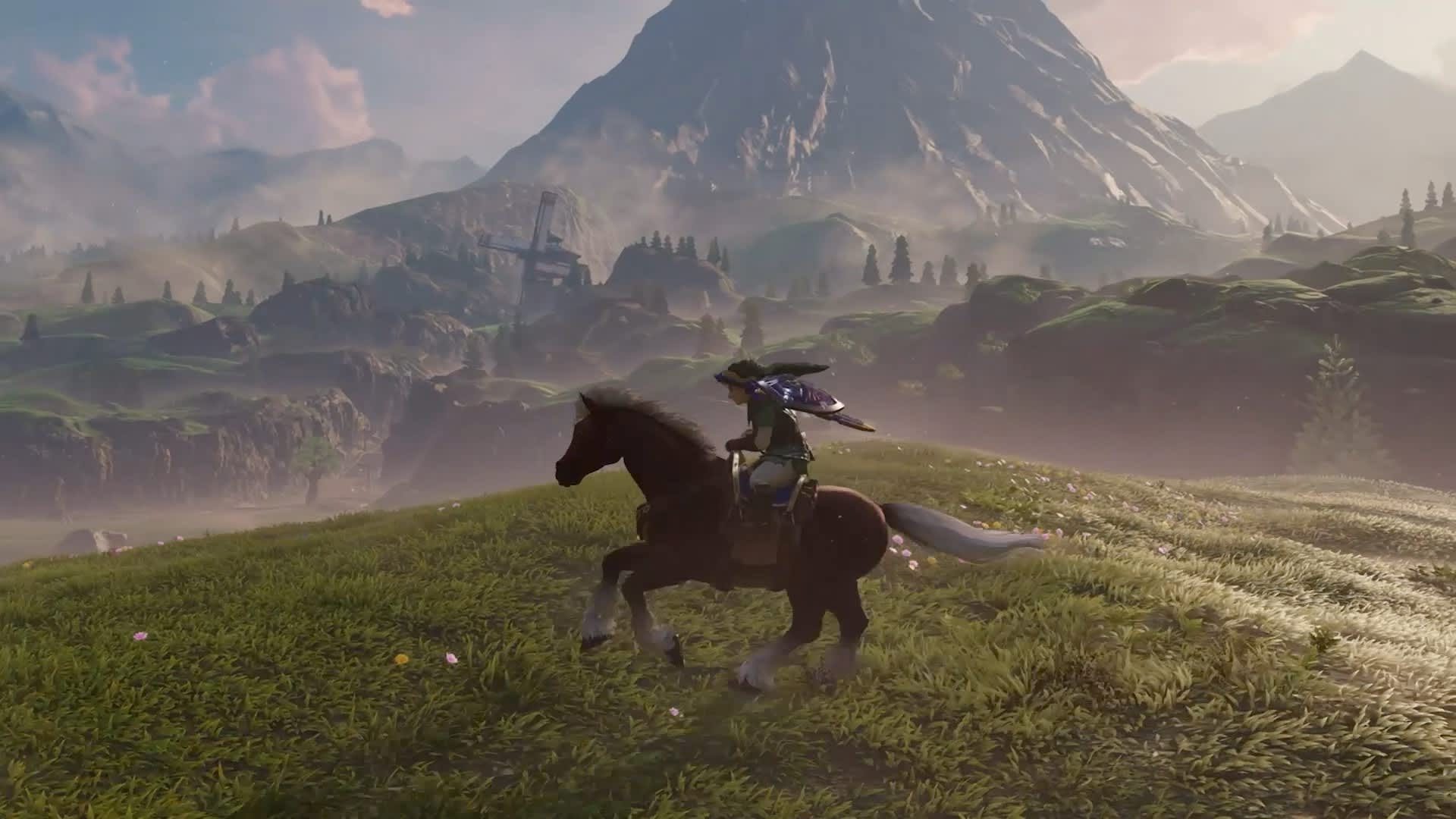
The Legend of Zelda: Ocarina of Time's full Switch 2 remake launches November 5, 2026, with overhauled visuals, full voice acting, an orchestral score and a mic-controlled ocarina. Here's the confirmed release date, price and everything new.
Nintendo's full remake of The Legend of Zelda: Ocarina of Time launches on Nintendo Switch 2 on November 5, 2026, rebuilding the 1998 original from the ground up with new visuals, full voice acting and an orchestral score. It's a Switch 2 exclusive, it leans on the console's microphone for ocarina play, and it arrives as the centerpiece of the Zelda franchise's 40th-anniversary celebrations.
Here's everything Nintendo has confirmed about the release date, price, and what's actually changed in the remake, plus what to expect if you're jumping in fresh or returning to Hyrule for the first time in years.
1. Release Date, Platform and Price
The remake releases November 5, 2026, exclusively on Nintendo Switch 2, according to Nintendo's own product listing. It will not come to the original Switch, since several of its core features — including motion-aimed ranged weapons and microphone-based ocarina playing — depend on Switch 2 hardware.
Nintendo's store page lists the digital edition at $59.99. A physical cartridge release is also planned; several gaming outlets reported its first print run carries a special textured-foil cover, though Nintendo's own page does not list a separate physical price, so treat that detail as press-reported rather than officially confirmed.
The digital release weighs in at roughly 27GB, is rated by the ESRB for Animated Blood and Fantasy Violence, and is single-player only, playable in TV, tabletop, or handheld mode.
Pre-orders for the digital edition are already open through the Switch 2 eShop, and Nintendo's listing confirms surround sound support via linear PCM audio alongside the HDR and VRR options, so the remake is built to take advantage of a modern home theater setup as well as handheld play.
2. What's Actually New in the Remake
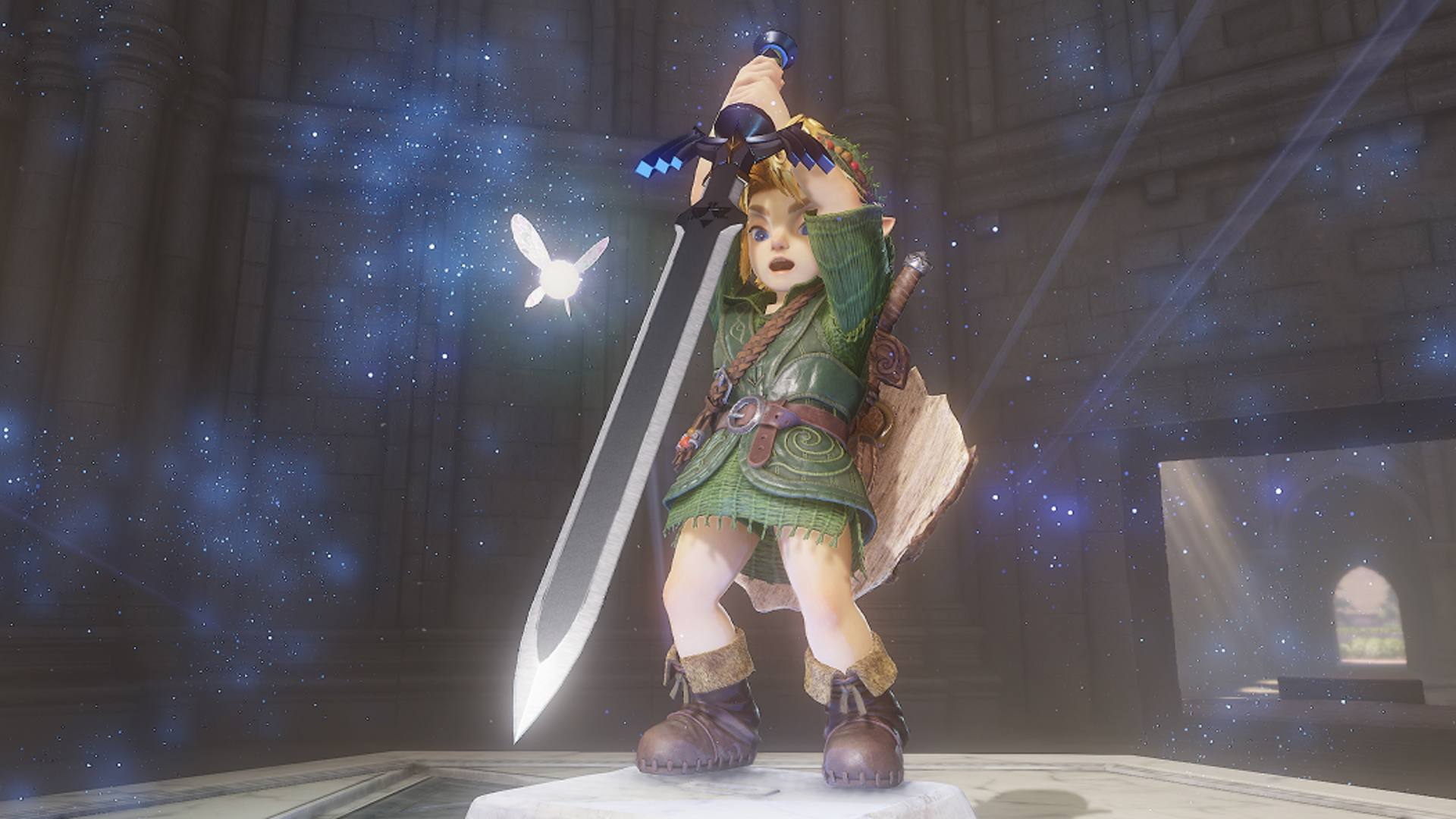
This isn't a simple visual upscale of the N64 original or a port of the 2011 3DS version. Nintendo describes it as built "from the ground up" for Switch 2, and the headline changes include:
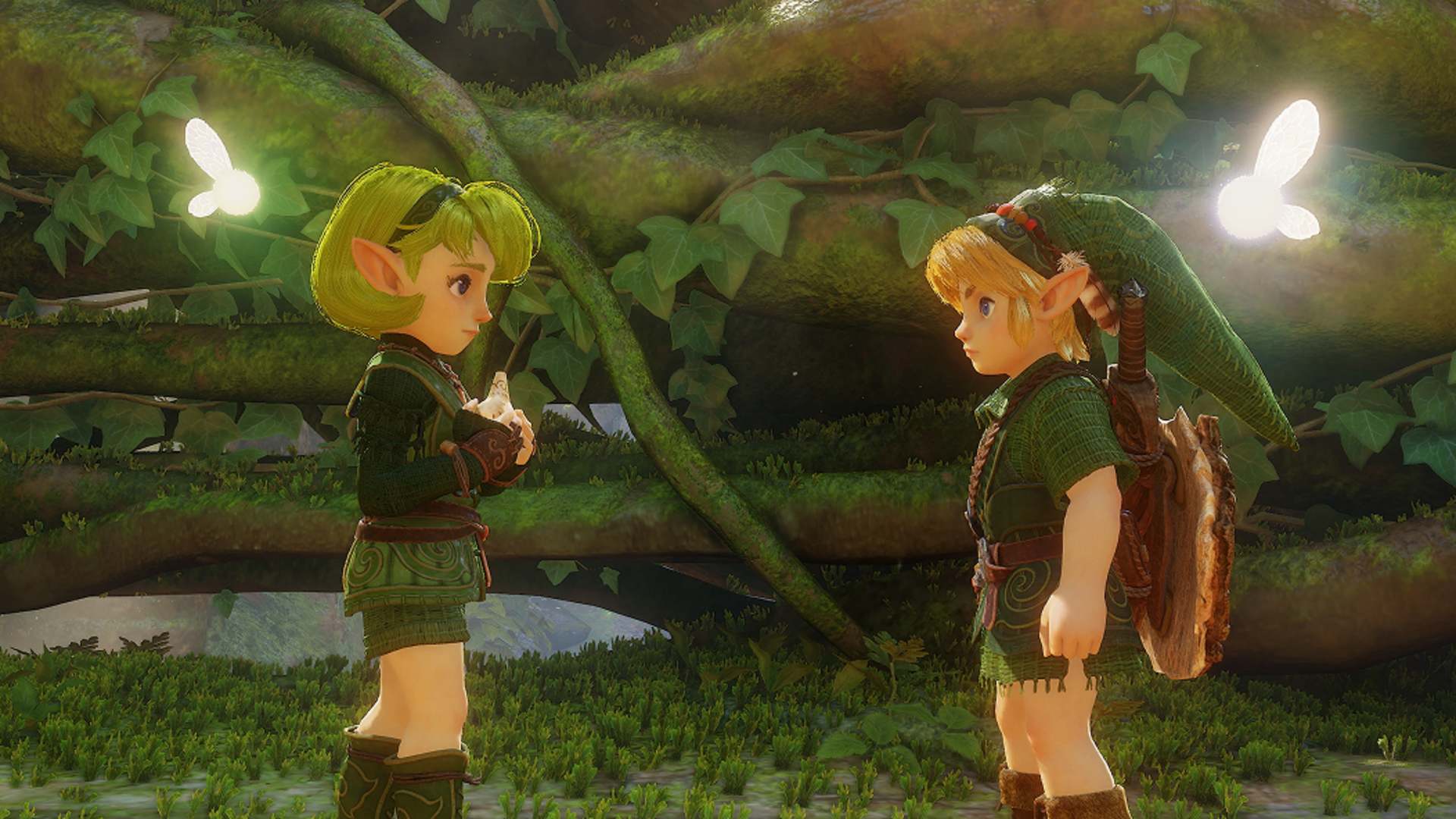
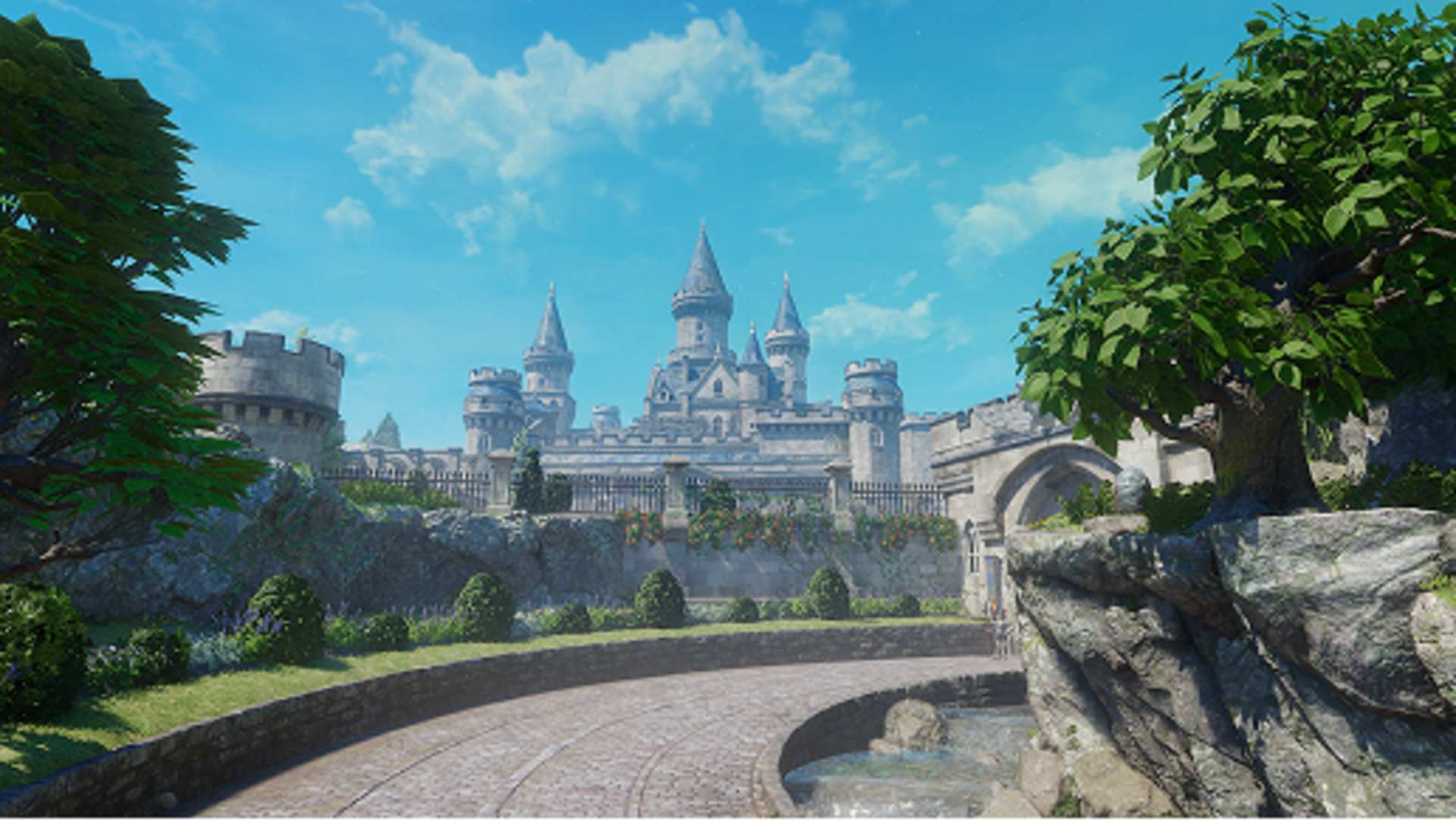
- Overhauled visuals across every area of Hyrule, with new lighting, foliage and character models.
- Full voice acting for Link, Zelda, Ganondorf and the rest of the cast, replacing the original's text boxes and grunts.
- A new orchestral score performed over the game's classic themes.
- Expanded cutscenes that flesh out story beats the original only implied.
- Modernized camera and controls, including motion-aimable ranged weapons like the slingshot and bow, which can also be aimed with buttons alone.
Nintendo's product page also confirms cloud save support through Nintendo Switch Online, so progress isn't tied to a single console, and HDR and VRR support on compatible TVs for smoother, higher-contrast visuals.
3. The Ocarina, Reimagined for Switch 2
The ocarina itself — the item that gives the game its name and drives several of its puzzles — now has three ways to play it. You can tap out songs with face buttons as in the original, hum the melody, or play an actual instrument into the Switch 2's built-in microphone and have the game recognize the notes. It's the clearest example of Nintendo building the remake specifically around what the new hardware can do, rather than simply porting the original control scheme.
4. Redesigned Dungeons and New Lore Features
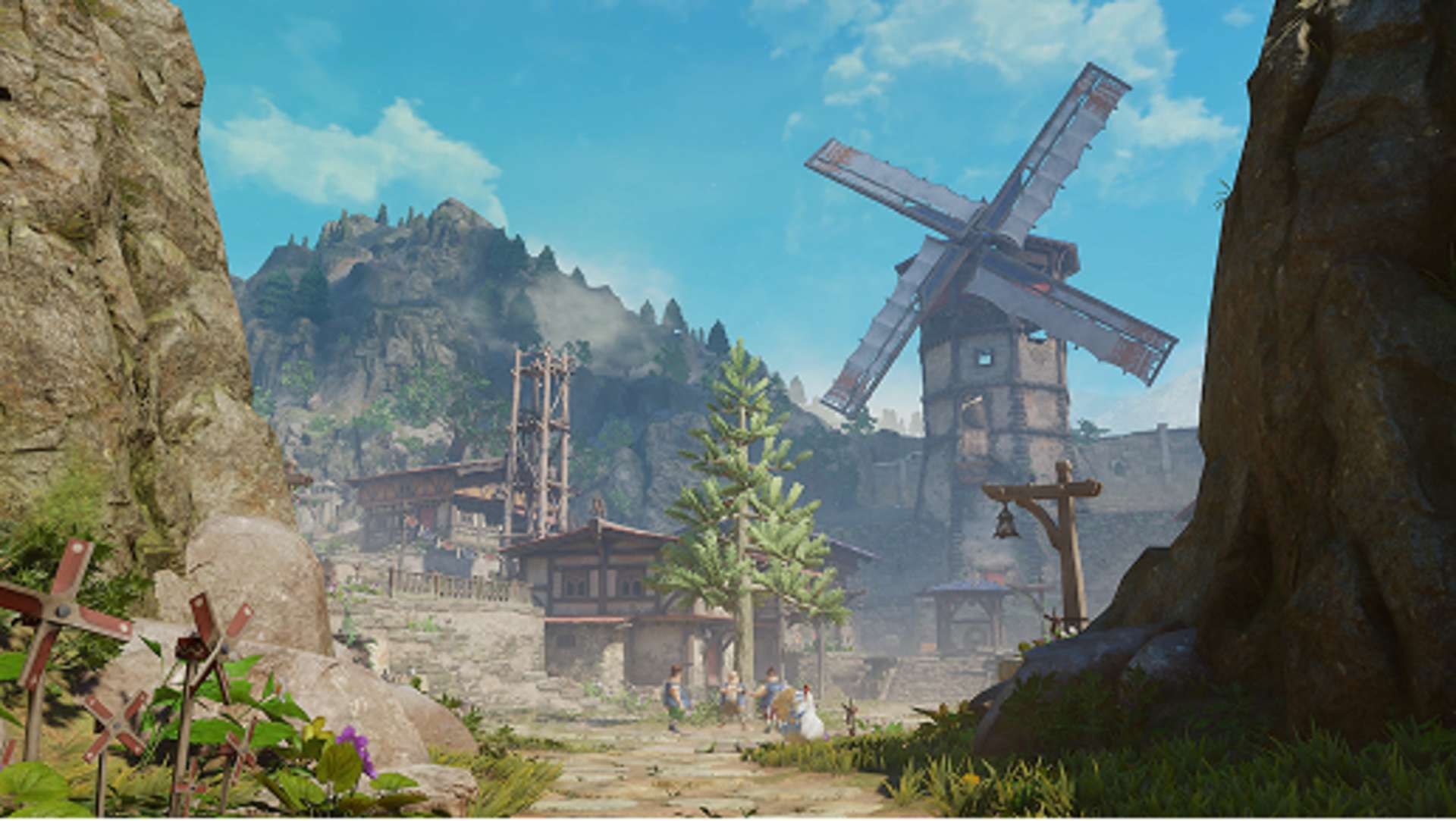
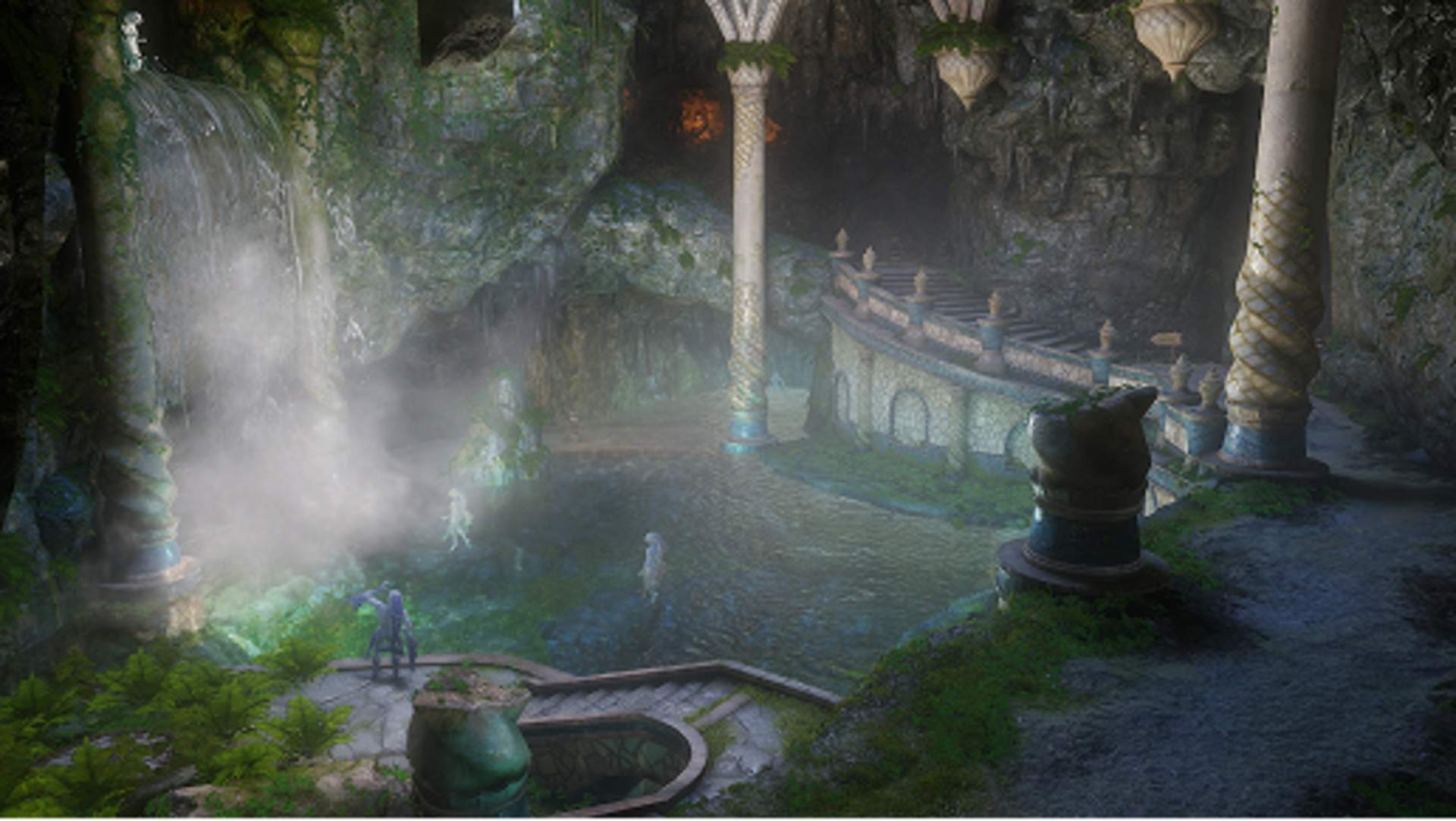
Nintendo's official overview trailer — published on the Nintendo of America YouTube channel ahead of launch — runs over four minutes and shows reimagined versions of the game's dungeons alongside new additions, including optional boss rematches for players who want another shot at a dungeon boss after finishing it the first time.
The remake also adds two new lore-focused features confirmed on Nintendo's product page: a Hall of Fallen Foes, which appears to function as a bestiary-style record of enemies and bosses you've defeated, and a progress tapestry that visually tracks your journey through the story. Neither feature existed in the 1998 original or the 3DS remaster, and both point to Nintendo treating this as a more complete reinterpretation than a straight remaster.
Returning Players vs. Newcomers
If you've played Ocarina of Time before, the core structure — Kokiri Forest, the three spiritual stones, Child Link transforming into Adult Link after pulling the Master Sword, and the race to stop Ganondorf from claiming the Triforce — hasn't changed. What's different is almost everything around that structure: full voice acting replaces the silent-protagonist dialogue of the original, and the modernized camera and motion-aim controls change how combat and item use feel, even in dungeons you may have memorized. Newcomers are getting what is, in effect, a new 2026 game built on a nearly three-decade-old blueprint.
That distinction matters for how you approach the game on day one. Series veterans can expect item and song locations to follow the same general order — Deku Tree, Dodongo's Cavern, Inside Jabu-Jabu's Belly, and onward — but the added voiced dialogue and expanded cutscenes mean story beats that used to fly by in a few text boxes now play out at a different pace. Anyone coming in cold shouldn't feel like they're missing context from three decades of games built on this one; the remake is structured to stand on its own.
5. Editions, Pre-Order Bonus and Amiibo
Nintendo's store page confirms that anyone who buys the digital edition before 11:59 PM PT on November 23, 2026 receives a Legend of Zelda 40th Anniversary wallpaper as a pre-order/early-purchase bonus.
The game also supports amiibo: new Young Link and Young Zelda amiibo figures unlock a retro-style mask reward in-game, though Nintendo's page notes those physical figures themselves aren't arriving until 2027 — so the amiibo functionality will outlast the launch window itself.
6. Part of Zelda's 40th Anniversary
The remake was unveiled at September 8's Zelda 40th Anniversary Direct, alongside other announcements tied to the franchise's fortieth year. It's the most significant anniversary release Nintendo has put behind the series since Ocarina of Time's own 3DS remaster over a decade ago, and its November 5 date puts it two weeks ahead of November's other headline release, Rockstar's Grand Theft Auto VI — giving Switch 2 owners a clear run at Hyrule before that launch dominates the conversation.
Quick Recap
- Launches November 5, 2026, exclusively on Nintendo Switch 2.
- Digital edition confirmed at $59.99; physical pricing and the foil-cover first print are press-reported, not yet listed by Nintendo directly.
- Full voice acting, new orchestral score, overhauled visuals and expanded cutscenes throughout.
- Ocarina can be played with buttons, humming, or a real instrument into the Switch 2 microphone.
- New Hall of Fallen Foes and progress tapestry features, plus optional boss rematches.
- Digital buyers before November 23, 2026 (11:59 PM PT) get a free 40th Anniversary wallpaper.
Switch 2's November lineup isn't limited to Hyrule — Minecraft's own Switch 2 upgrade and Fortnite's performance on the new hardware are both worth checking if you're deciding what to play on the console first. Puzzle fans might also want to see how The Room's puzzle series rounded out its Switch lineup. For the rest of our coverage, browse the full walkthroughs and guides archive.