Wuthering Waves Beginner's Guide: Resonators, Echoes and Combat Explained
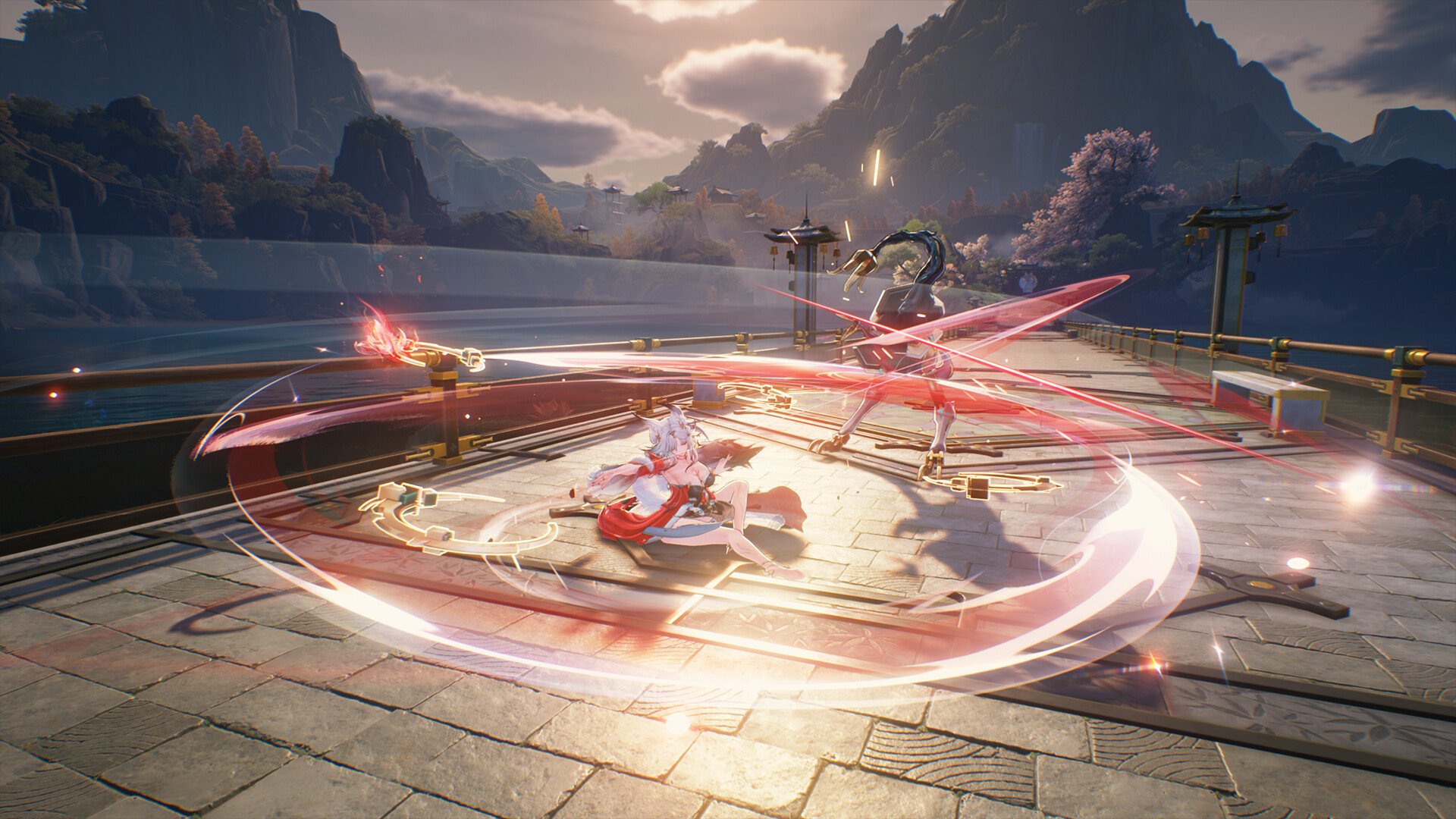
New to Wuthering Waves? Here's how Resonators, Echoes and the game's swap-based combat system actually work, plus what to prioritize as a new player joining during the current Version 3.7 update.
Wuthering Waves has grown into one of the biggest free-to-play open-world action RPGs on the market, and with Version 3.7 "Prism's Illusion, Heart's Illumination" currently live, more new players are jumping in than at almost any point since launch. If you just installed the game and aren't sure where to begin, here's a plain-language breakdown of how Wuthering Waves actually works: the Resonators you'll recruit, the combat systems that make the game click, and the long-term progression loop that keeps runs worthwhile.
1. What Is Wuthering Waves?
Wuthering Waves is a free-to-play open-world action RPG developed and published by Kuro Games, the Shanghai-based studio also known for Punishing: Gray Raven. It launched globally on PC, iOS and Android on May 22, 2024, later adding a Steam release, a PlayStation 5 version, and most recently Xbox Series X|S support. Progress syncs across every platform tied to the same account, so you can start on mobile and continue on console or PC without losing anything.
The game is set in the Solaris-3 world, a landscape recovering from a cataclysm called the Lament. You play as a Rover, a wanderer with no memory of their past, and you recruit playable characters called Resonators to explore, fight and uncover the story behind what happened to the world.
2. Getting Started: Platforms, Account and First Steps
Downloading the game is straightforward from the App Store, Google Play, Steam, the Epic Games Store, the PlayStation Store or the Xbox Store. On your first login you'll create or link a Kuro Games account, which is what keeps your save synced if you ever switch devices.
Choosing Your Rover
Early on you'll pick your Rover's appearance (this is cosmetic only, male or female, and does not affect gameplay) before moving through a short tutorial that introduces movement, climbing, gliding and basic combat. The opening hours are mostly linear, walking you through the story in the Black Shores region before the map opens up.
Why Now Is a Good Time to Start
Because Version 3.7 is currently running, new players get to experience the Mengzhou region and its current story arc from a relatively fresh starting point, and can read up on what's coming next in our breakdown of the Simulacrum Nexus and every new 3.7 feature once they've cleared the early quests.

3. Resonators and the Open World
Resonators are your playable party members. You unlock them through the story, through events, or by pulling them from gacha banners called Convenes. Each Resonator belongs to an element (such as Aero, Spectro, Fusion, Electro, Glacio or Havoc) and a weapon type (sword, broadblade, pistols, gauntlets, or rectifier), and you build a team of three that you can freely swap between during combat.
The open world itself is built for vertical traversal. You can climb almost any surface with a stamina meter, glide with a built-in Parkour Glider, and later unlock mounts and underwater exploration. Chests, puzzles and Tacet Fields (self-contained combat challenge zones) are scattered across the map and reward the materials you'll need to strengthen your team.
4. Combat Basics: Switching, Skills and Echoes
Combat is the part of Wuthering Waves that reviewers consistently single out, and it's built around keeping your team moving rather than sticking with one character.
Resonance Skills and Liberations
Every Resonator has a basic attack combo, a Resonance Skill on a short cooldown, and a Resonance Liberation — a powerful ultimate move charged up through combat. Landing hits and taking skillful actions also builds a character-specific Forte gauge, which strengthens or unlocks an upgraded version of certain skills the longer a fight goes on.
Intro and Outro Skills
The system that makes team-swapping so rewarding is Concerto Energy. Landing attacks fills a shared Concerto meter, and once it's charged, switching characters triggers an Outro Skill from the Resonator leaving the field and an Intro Skill from the one coming in — both of which typically deal bonus damage or apply useful effects. This is why strong teams in Wuthering Waves are built around swap timing, not just raw character power.
Echoes
Echoes are the game's gear system: defeated enemies in the open world can be captured as Echoes and equipped onto a Resonator, both granting that monster's skill as a usable move and boosting stats through Sonata Effect set bonuses. Echoes are deep enough that we've covered them separately — see our full explainer on Echo cost, Sonata Effects and tuning for how to actually optimize a loadout once you're ready.
5. Progression: Union Level, Tacet Fields and the Tower of Adversity
Your account-wide progression is tracked through Union Level, which rises as you complete quests, clear daily activities and open chests. Union Level matters because it gradually raises the level cap for your Resonators and weapons and unlocks new systems and difficulty tiers as you climb — it's the stat that determines how much of the game's deeper content is available to you at any given time.
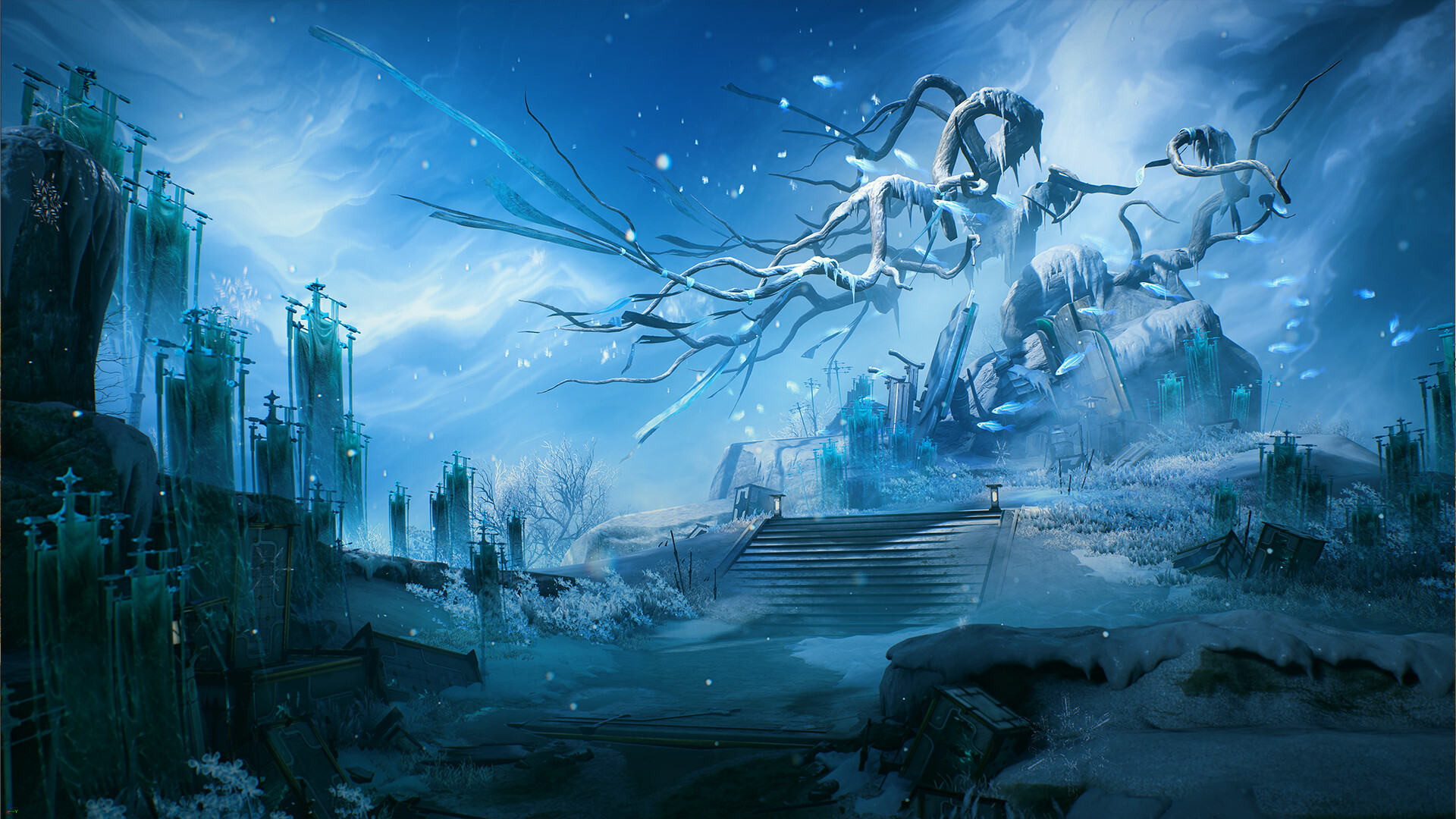
Once you're far enough in, two major endgame systems open up: Tacet Fields, which are replayable timed combat arenas that reward Echoes and development materials, and the Tower of Adversity, a multi-zone combat gauntlet split into Stable, Experimental and Hazard zones. The Hazard Zone refreshes periodically with a new enemy lineup and buffs, giving min-maxers a recurring reason to come back and test their best team compositions. Both systems are optional but are the main way to keep earning upgrade materials once the story's main quests are caught up.
6. Where the Story Stands in Version 3.7
If you're starting fresh today, you're joining during Version 3.7, which added the new 5-star Resonators Hsin and Suoming, a main quest replay feature, and the Simulacrum Nexus area in the Mengzhou region. New players won't be caught up on everything immediately, but Kuro Games has built in enough catch-up mechanics (login rewards, beginner banners and story-based character unlocks) that you won't be far behind by the time you reach the endgame systems above. For the exact character and banner timing happening right now, our guide to Hsin and Suoming's banner schedule and team-building and our rundown of Suoming's Phase 2 banner and events both cover what's currently available.

7. Quick Tips for New Resonators
- Explore before you rush the main quest. Chests and Tacet Fields scale with the story less aggressively than your character levels do, so early exploration pays off.
- Don't ignore free Resonators. Story-unlocked and beginner-banner characters are often strong enough to carry you through most of the leveling content.
- Learn one team's swap rhythm before building a second. Getting comfortable with Intro and Outro Skill timing on a single team teaches you the core combat loop faster than spreading resources thin.
- Save hard currency until you know what you want. Banners rotate, and beginner pulls are limited, so it's worth reading a current banner guide before spending.
- Check in during event windows. Kuro Games regularly runs login and exploration events that hand out free pulls and upgrade materials with no real downside to claiming them.
Wuthering Waves can look intimidating from the outside thanks to its deep combat and gear systems, but the moment-to-moment loop — explore, fight, swap characters, upgrade — is easy to pick up and only gets more rewarding as your Union Level climbs. For more on what's changed recently, our Version 3.7 release date and new character rundown is a good next stop, and the full archive of Wuthering Waves and other game walkthroughs covers everything else we've published on the game.