EA Sports FC 27 Career Mode: Transfer Market, Dynamic OVR and Negotiations Explained

EA Sports FC 27's Manager Career Mode overhauled the transfer market with a TransferRoom-powered xTV valuation model, Dynamic OVR, staged negotiations and a new Transfer Hub. Here's how the system works, straight from EA's official Career Mode Deep Dive and pitch notes.
EA Sports FC 27's Manager Career Mode shipped with the biggest overhaul of the transfer market in years. Player valuations now move throughout a save instead of sitting static, negotiations unfold in stages with a visible "tension meter," and Overall Ratings themselves can rise or fall based on how a player is actually performing. Here's exactly how the new system works, drawn from EA's own Career Mode Deep Dive and official pitch notes.
1. A rebuilt valuation model: xTV and Dynamic OVR
The headline change is under the hood. Player valuations in FC 27 are now built on an xTV (Expected Transfer Value) model developed with TransferRoom, the real-world football data platform clubs use to track transfer trends. Instead of a number that's fixed until the next squad update, xTV evolves throughout a career across multiple seasons, working alongside the game's existing adjusted-value model that already accounted for form and league strength.
That means current circumstances now matter when you go shopping. A player enjoying an exceptional season can command a real premium over their base rating, while someone stuck in a form slump may be available for less than you'd expect from their card alone.
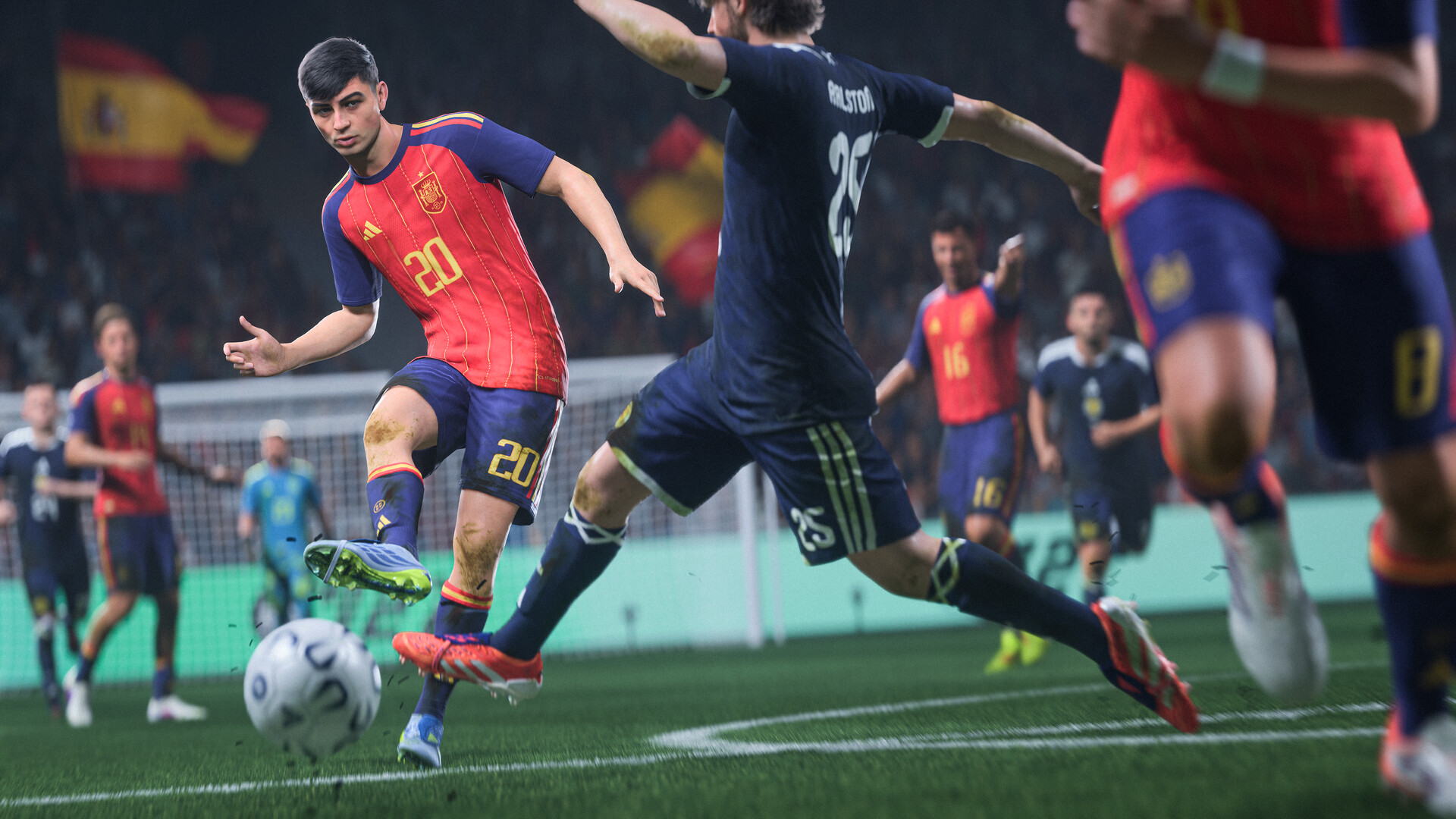
The other major piece is Dynamic OVR. A player's Overall Rating now reflects how they are actually performing that season, driven by three live factors: Form, Morale and Match Fitness. Potential is tied to the same loop — consistently strong performances can raise a player's ceiling over time, while prolonged poor form can cost them development momentum. Your coaching staff estimates each player's Potential during scouting, and higher-quality coaches are more likely to identify a player's true ceiling. Six distinct Growth Profiles govern how individual players develop and eventually decline, so two players with the same starting rating can age very differently depending on usage and performance.
Club buying power has been rebuilt too. AI clubs now weigh prestige — reputation, history and long-term ambition — rather than just their current league position, and they balance financial responsibility against their footballing identity before committing to big spending.
2. How bidding and negotiations actually work
Transfers in FC 27 are a staged process rather than a single pop-up offer. A deal starts with an enquiry, and full negotiations only open once permission to negotiate has been granted by the selling club. From there, talks with the buying club, the selling club and the player himself run in parallel rather than one after another.

Two new tools help you read the room during talks. A tension meter shows how close both sides are to an agreement or to the deal collapsing entirely, while an interest indicator shows how willing the player himself actually is to make the move. You can walk away from any negotiation at any point if the numbers aren't working.
Deals aren't final the moment terms are agreed, either. Rival interest from another club can force a renegotiation even after an agreement is reached, and once the buying club and the player have both finished their side of the talks, the selling club gets one final chance to push for better terms before the deal is done. On the selling side, offers for your own players arrive over time, and for each one you can accept, reject, negotiate directly, or delegate the decision to your Director of Football.
The AI behind all of this accounts for context you'd expect from real football: rivalries, derbies and a shared competitive history between two clubs reduce the chance of a deal going through, clubs inside the same multi-club ownership network are more likely to do business with each other, and a player who has recently signed is less likely to be sold on again immediately.
3. Negotiation clauses: the four categories
EA grouped the available negotiation clauses into four areas, giving Career Mode managers far more structure to work with than a flat fee and wage demand:
- Deal timing and movement — an immediate move, a move effective next transfer window or at the start of the following season, loan-back agreements, and straight player-for-player exchanges.
- Financial structure — fees paid in installments across multiple seasons, plus achievement-based bonuses tied to club honours, individual awards, or specific performance milestones.
- Future transfer rights — buyback clauses, first refusal on a future sale, and sell-on percentages if the player moves again later.
- Contracts — wages, contract length, sign-on and agent fees, guaranteed squad role, performance bonuses for appearances, goals, assists and clean sheets, and automatic wage changes tied to promotion, continental qualification, or relegation.
To put the scale of these deals in context, EA's own examples from the Deep Dive included a $71.2 million move for Cody Gakpo, a $54.5 million bid from Nottingham Forest for Elliot Anderson, and a $52 million transfer of Nico González from Manchester City to Chelsea — all built using this clause system rather than a single flat number.
4. The new Transfer Hub
Transfer business is now organized through a dedicated Transfer Hub, split into two sides: Scouting and Transfers. It brings together Active Negotiations, your Lists (Shortlist, Transfer List, Loan List and Blocked Offers), a Contracts & Clauses screen, and a season-long Transfer History so you can review how your business played out after the window closes.
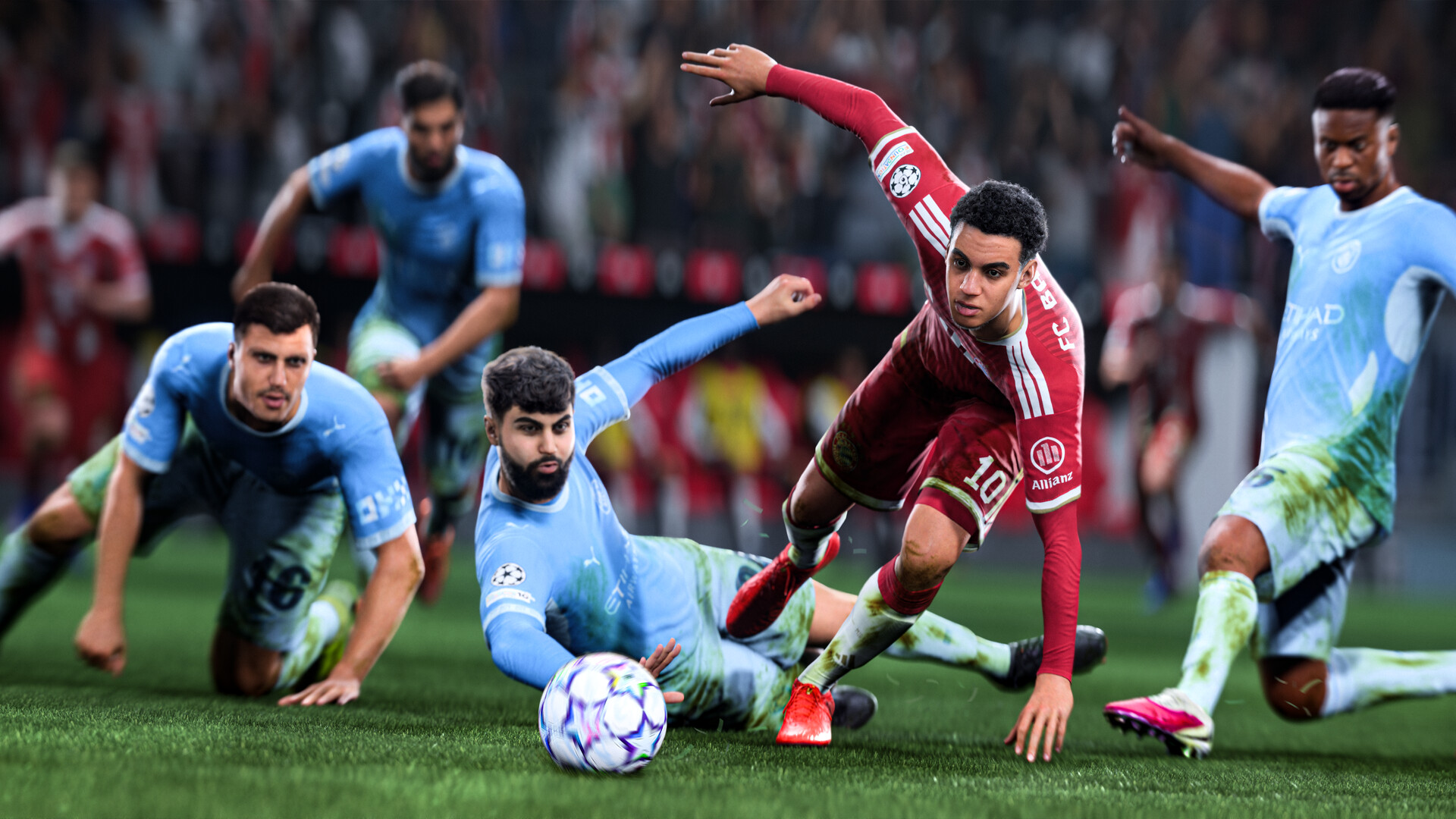
Scouting itself now runs across four distinct stages — Tactical Fit, Future, Financial Assessment and Status — rather than a single scouting report, letting you build a clearer picture of a target before you ever make an enquiry. Once a signing is confirmed, a new reveal showcase replaces the old grading screen, with presentations that scale in size depending on how important the signing is to your club.
5. Other Manager Career changes worth knowing
The transfer system is the headline, but several other changes affect how a save actually plays out:
Deadline Day and squad management
Deadline Day has been expanded to a full 20 hours, with a new two-hour skip option alongside the existing one-hour advance for when you're just waiting out the clock. Coaching has been streamlined to 12 coaches spread across four departments, and players can now be registered in up to seven positions each — a main position plus six secondary ones — giving more flexibility when building a squad.
Simulation depth and Liga MX
Background league simulation now covers 10 leagues in detail, up from five previously, and Liga MX has been added to both Manager Career and Player Career for the first time.
Injuries, events and press conferences
Light injuries can now persist past a single matchday, with recovery periods that let a player return to action before they're fully clear of risk. Unexpected Events can include surprise injuries or points deductions for financial mismanagement, and press conferences happen less often than before but carry more weight — each one presents two options with no objectively correct answer.
Youth players and free agents
Generated youth players now receive randomly generated attributes rather than inheriting data from retired pros, which should make regens feel less predictable over a long save. Free agents who go unsigned for an extended stretch will eventually retire instead of lingering on the market indefinitely. There's also a new 11v11 Practice Arena for running practice matches against your reserves, and a Tutorial setting that lets you control which tutorial prompts appear going forward.
6. Quick tips recap
- Watch form and morale, not just OVR — Dynamic OVR means a player's rating can swing with how they're actually playing, so a "weaker" card in form may outperform a higher-rated player who isn't.
- Don't assume a deal is done once terms are agreed — rival bids can trigger a renegotiation, and the selling club gets a final push before anything is finalized.
- Use the tension and interest indicators during talks to judge whether to hold firm, sweeten an offer, or walk away entirely.
- Structure big deals with clauses — installments, sell-on percentages and performance bonuses can get a deal done when a flat fee won't.
- Check the new Scouting stages (Tactical Fit, Future, Financial Assessment, Status) before making an enquiry, not just a player's overall rating.
- Don't stockpile free agents — unsigned players will eventually retire rather than sit on the market forever.
If you're also working through the Ultimate Team side of the game, it's worth reading through how the Club Member David Luiz Evolution pathways work, and for a broader look at how Manager Live and Creator Challenges fit alongside the transfer system, see our guide to FC 27's Manager Live and new ICONs. On-pitch mechanics are covered separately in our breakdown of every PlayStyle and PlayStyle+ ability in FC 27.
Official Resources
- EA Sports FC 27 Career Mode Deep Dive — official pitch notes
- EA Sports FC 27 official game site
- EA Sports FC 27 on Steam
For everything else we've covered on the game, browse the full walkthroughs and guides archive.