Minecraft Villager Trading Explained: Professions, Trading Halls and the Best Deals

Minecraft's villagers run a full trading economy built on professions, job site blocks and emeralds. This guide explains how to unlock the best deals, level villagers up to Master rank, and build a safe, working trading hall.
Every Minecraft village is sitting on an economy you can tap into for free: emeralds, enchanted books, armor, maps and more, all traded away by the villagers wandering between their houses. The system looks chaotic at first — random-looking job blocks, mysterious price changes, villagers who refuse to work — but it follows clear rules. Once you understand professions, leveling and restocking, you can turn any village into a renewable source of gear that would otherwise take hours to mine, craft or enchant.
This guide covers how trading actually works, how to build a trading hall that keeps villagers safe and productive, and the habits experienced players use to get the best deals without exploiting bugs.
1. How Villager Trading Works
Right-click (or use the interact button) on a villager to open its trade menu. Villagers buy and sell using emeralds as the universal currency: some trades have you hand over emeralds for items like enchanted books or armor, while others have you sell raw materials (wheat, paper, string and so on) to the villager in exchange for emeralds.
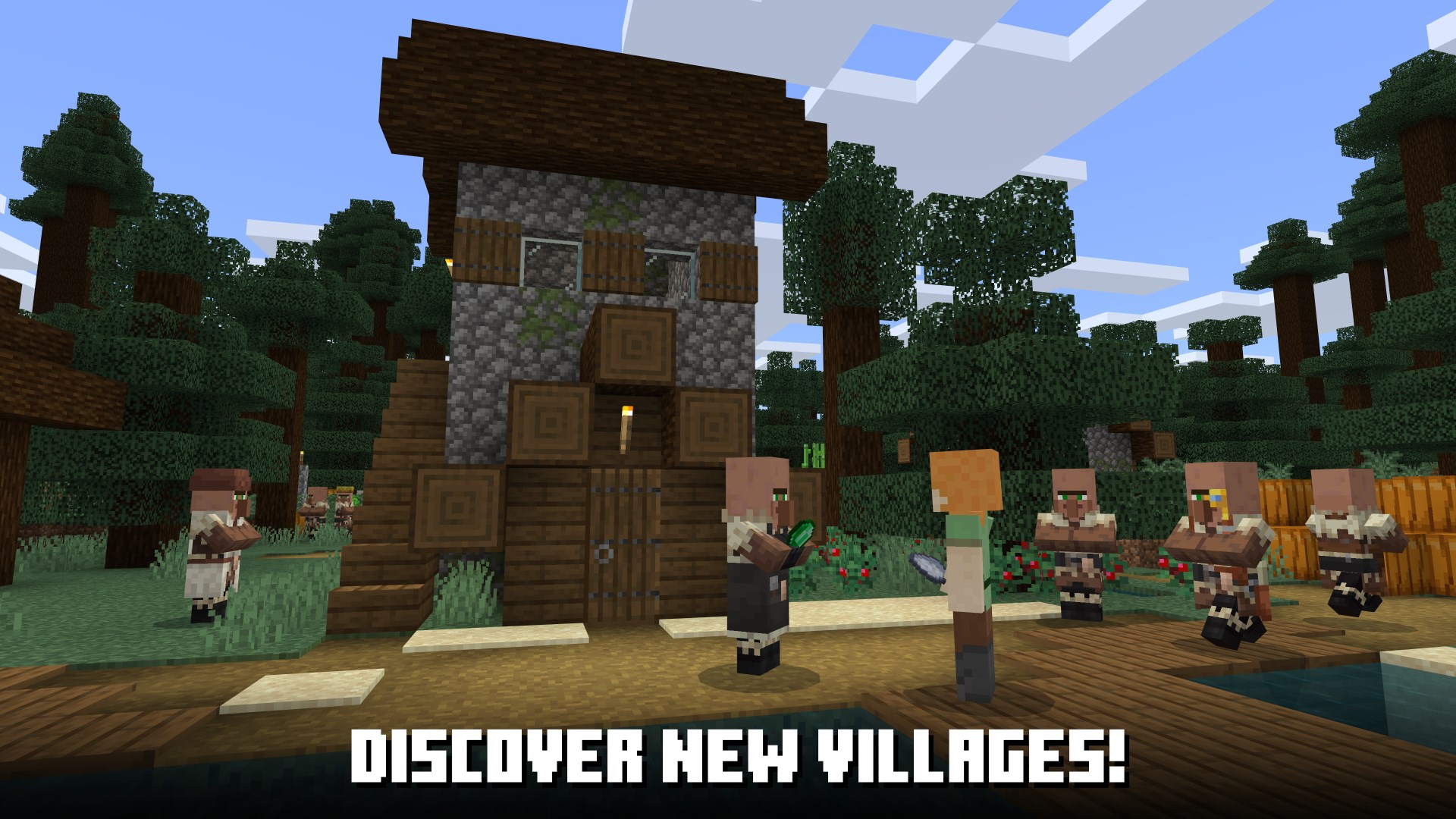
Each villager only offers trades tied to its profession. A villager with no job — still wearing plain brown robes — has nothing to trade until it claims a workstation. The one exception is the Nitwit, a villager in a green coat who can never hold a job or trade no matter what you do; it's purely decorative (and extra mouths to feed if you're breeding for population).
2. Giving a Villager a Profession
An unemployed villager automatically claims the nearest unclaimed job site block within range and takes on the matching profession, complete with a new outfit. Place the right block near a jobless villager and it will adopt that trade within moments. The main job site blocks are:
- Composter → Farmer
- Smoker → Butcher
- Blast Furnace → Armorer
- Brewing Stand → Cleric
- Cartography Table → Cartographer
- Lectern → Librarian
- Fletching Table → Fletcher
- Smithing Table → Toolsmith
- Grindstone → Weaponsmith
- Stonecutter → Mason
- Loom → Shepherd
- Cauldron → Leatherworker
- Barrel → Fisherman
A villager that already has a profession won't switch jobs just because a different workstation appears nearby, so plan your trading hall's layout before you start placing villagers if you want a specific mix of professions.
3. Leveling Up Villagers for Better Deals
Every profession starts at Novice and can climb through Apprentice, Journeyman and Expert up to Master. Trading with a villager earns it experience; once it has enough, it levels up, unlocks a new trade slot, and its existing trades often get better. A Master-level librarian or cleric, for example, typically has far more valuable offers than the same villager fresh off becoming employed.
This is the main reason it pays to keep trading with the same villagers repeatedly rather than hopping between different ones — you're investing in better future trades, not just making a one-off purchase.
4. Restocking Trades
Villagers don't have infinite stock. Each trade can be used a limited number of times before it locks, shown by the price turning red in the trade menu. To restock, the villager needs to reach its claimed job site block and "work" at it, which happens automatically over time as long as the block is reachable and the villager isn't locked indoors away from it. Villagers restock a limited number of trades per work cycle, and they need to sleep in a bed at night to stay willing to work the next day, so a trading hall also needs beds nearby or the villagers inside it will eventually stop functioning properly.
5. The Most Useful Trades to Look For
Not every profession is equally worth your emeralds. A few consistently stand out:
- Librarians sell enchanted books, making them the most reliable way to get specific enchantments without an enchanting table and the right level of experience.
- Clerics sell useful crafting materials like redstone, ender pearls and glowstone — handy if you haven't found a Nether fortress or an ender pearl source yet.
- Armorers and Weaponsmiths eventually sell enchanted gear at higher levels, letting you skip crafting and enchanting armor or weapons from scratch.
- Farmers and Fishermen are cheap, renewable sources of food and emeralds early in a playthrough, since you can sell them crops or fish you're already gathering.
- Cartographers sell maps to structures like ocean monuments and woodland mansions, which can save hours of exploring blind.
Exact trades and prices are randomized per villager within each profession's possible pool, so two Master-level librarians in the same village can still offer different books.
6. Building a Trading Hall That Actually Works
A good trading hall keeps villagers alive, safe, employed and reachable, which matters more than how elaborate it looks. A few habits make a real difference:
- Fence or wall off each villager's cell so it can't wander away from its job site block, while still letting it see and path to the block.
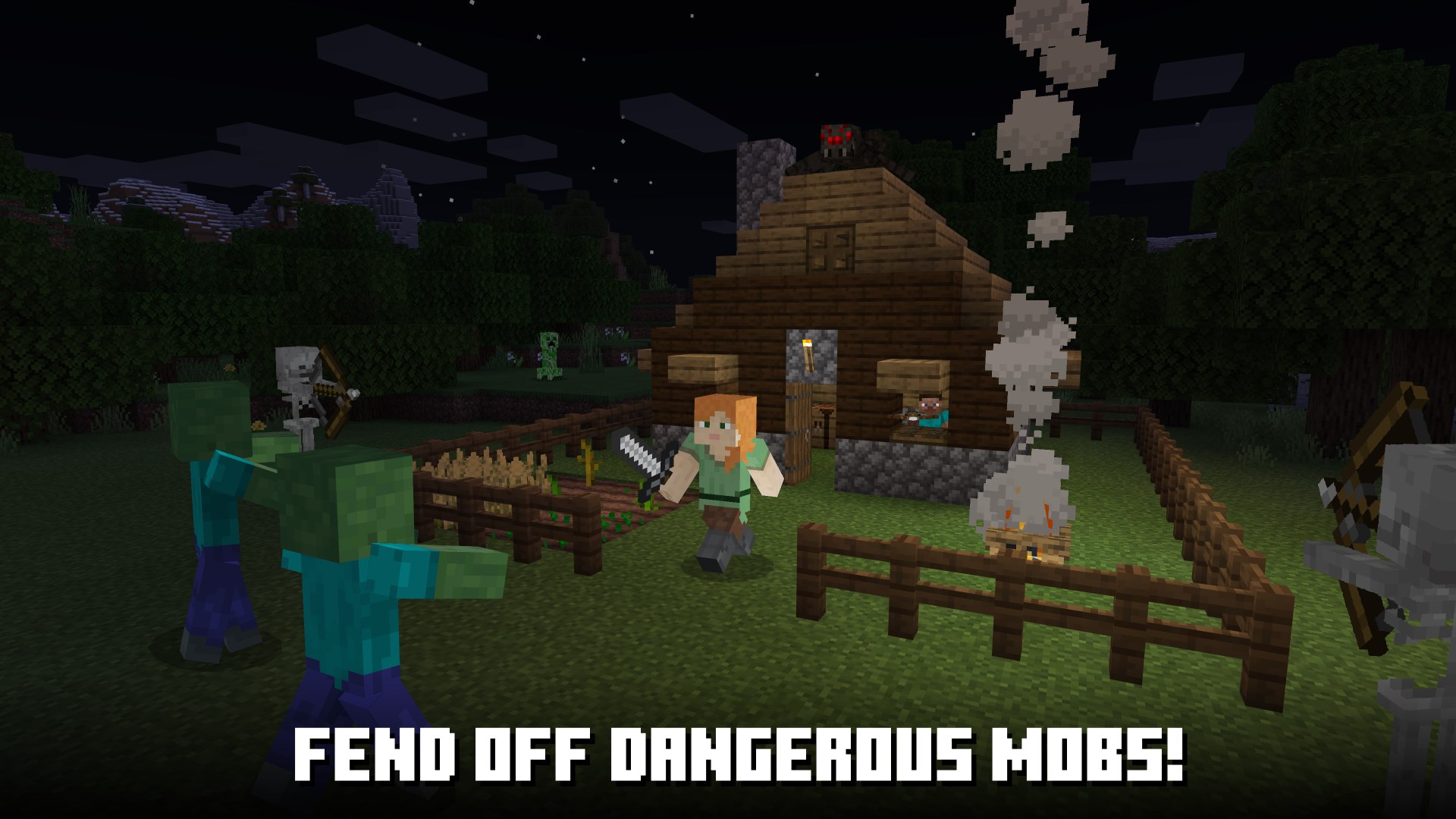
- Light the area well (torches, lanterns, or glowstone) to stop hostile mobs from spawning inside or around the hall.
- Keep job site blocks within range of the villager assigned to them, and don't let two villagers compete over one block.
- Add beds for every villager so they sleep, stay "willing," and continue restocking.
- Protect the hall from raids and zombies — a zombie that gets in can turn villagers into zombie villagers, wiping out their trades until you cure them.
7. Breeding Villagers for a Bigger Trading Pool
More villagers means more professions and more simultaneous trades available. Villagers breed when there are enough beds for a growing population and enough food — bread, carrots, potatoes or beetroot — stored in their inventories, which they gather from nearby farms or chests. Two willing villagers with enough food will eventually spawn a baby villager, which grows into an adult and can claim its own profession later.
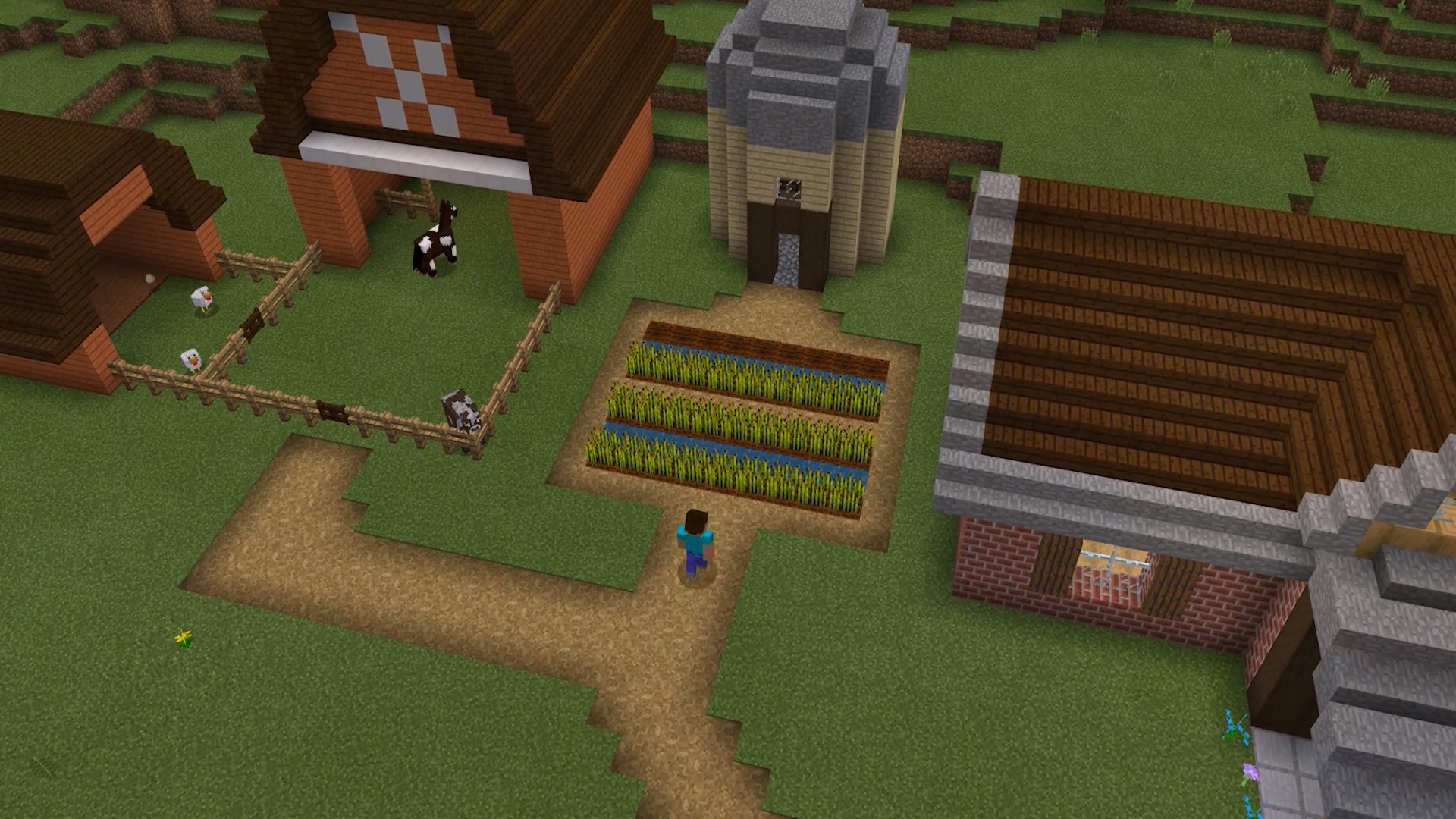
A farmer villager with access to a composter and a planted field is often enough to kickstart breeding on its own, since it will collect and share crops with other villagers automatically.
8. Curing Zombie Villagers for a Permanent Discount
If a villager gets turned into a zombie villager, it isn't gone for good. Hit it with a Splash Potion of Weakness, then feed it a golden apple while it's weakened, and it will slowly convert back into a normal villager over several minutes, keeping its profession. Curing a villager this way earns you a strong, long-lasting positive reputation with that specific villager, which shows up as a noticeably permanent discount on its future trades. It's one of the few ways to meaningfully undercut a villager's prices without relying on randomness, and it's entirely vanilla — no exploits required.
Quick Tips Recap
- Match job site blocks to the professions you actually want before you move villagers in.
- Keep trading with the same villagers to push them toward Master level and better trades.
- Give every villager a reachable job site block and a bed, or restocking stalls out.
- Wall off and light your trading hall to stop zombies from undoing your work.
- Cure a zombie villager instead of leaving it — the permanent discount is worth the potion and golden apple.
Official Resources
- Minecraft official site — news, updates and the official Minecraft Wiki links.
- Minecraft for Windows on the Microsoft Store — official store listing and screenshots.
- Minecraft on Wikipedia — background on the game's development and mechanics.
For more on what's new in the game right now, see our breakdown of the Wilderness Bound update's new biomes and blocks, or if you're setting up a world to build a trading hall with friends, check our guide to creating and sharing Minecraft Realms invite codes. Builders working on their trading hall's walls and floors can also reference our Poplar Wood crafting and block guide, and the mechanically inclined can automate parts of a villager setup using our redstone basics and circuits guide. For more guides across every game we cover, browse the full walkthroughs archive.