Minecraft Poplar Wood: Every Block, Crafting Recipe and the New Shelf Explained
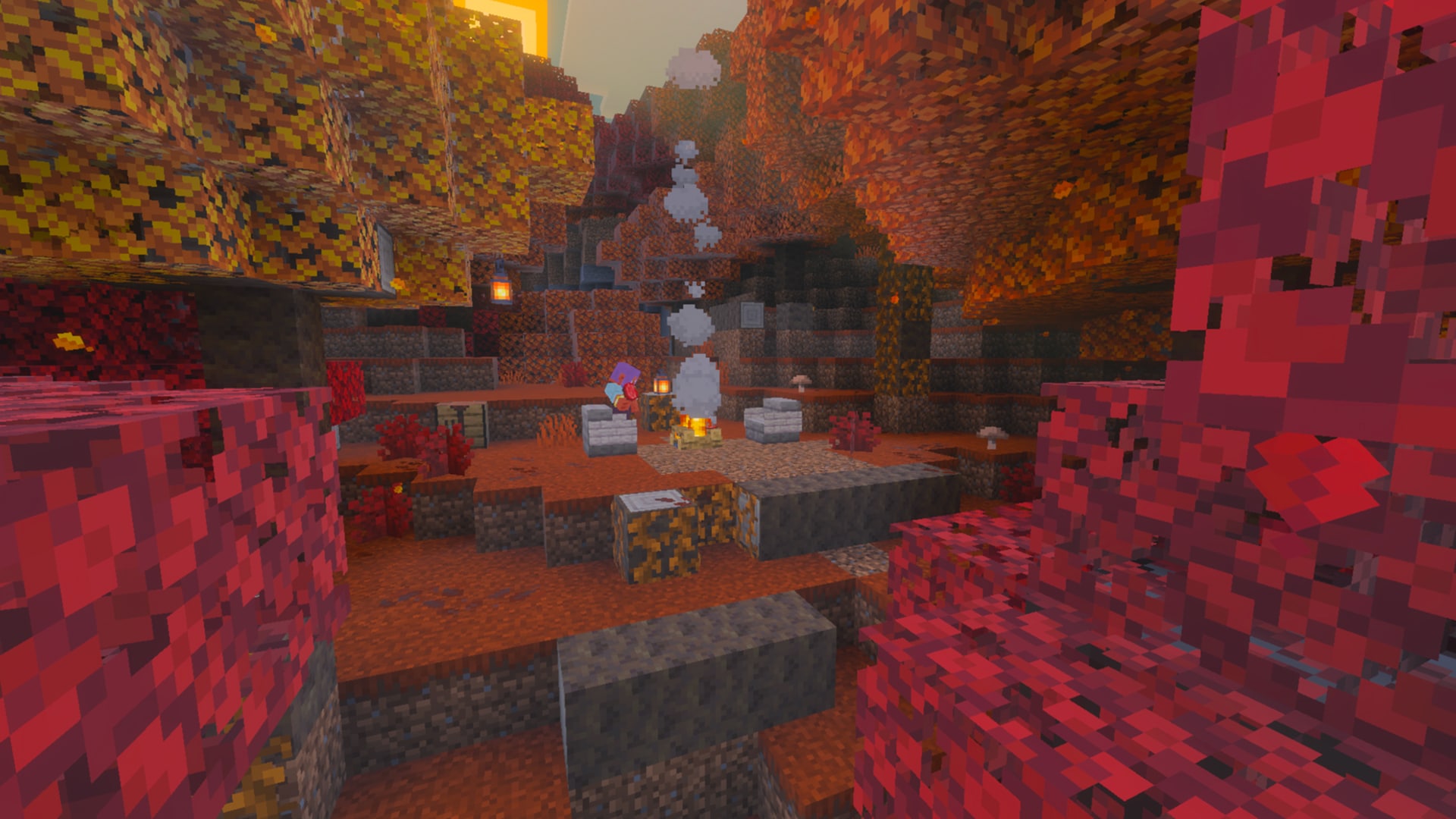
Minecraft's Wilderness Bound drop added poplar, a brand-new wood type that only grows in the Dappled Forest biome and comes with leaves in three autumn colors. Here's every poplar block, how to craft each one, and how the new Shelf and Wilderness Bound's other additions fit together.
Minecraft's Wilderness Bound game drop, released on September 15, 2026, brought a full new wood type into the game for the first time in years: poplar. It only grows in one biome, it comes with leaves in three different autumn colors, and it is the first wood to arrive alongside a brand-new furniture block, the Shelf. Here is everything poplar wood adds, how to craft every block in the set, and how it fits together with the rest of the Wilderness Bound drop.
1. What Is Poplar Wood and Where to Find It
Poplar is the twelfth wood type in Minecraft, joining oak, spruce, birch, jungle, acacia, dark oak, mangrove, cherry and pale oak (plus the Nether's crimson and warped stems, and bamboo). Like every other wood, poplar has a hardness of 2, a blast resistance of 2, and is best broken with an axe.
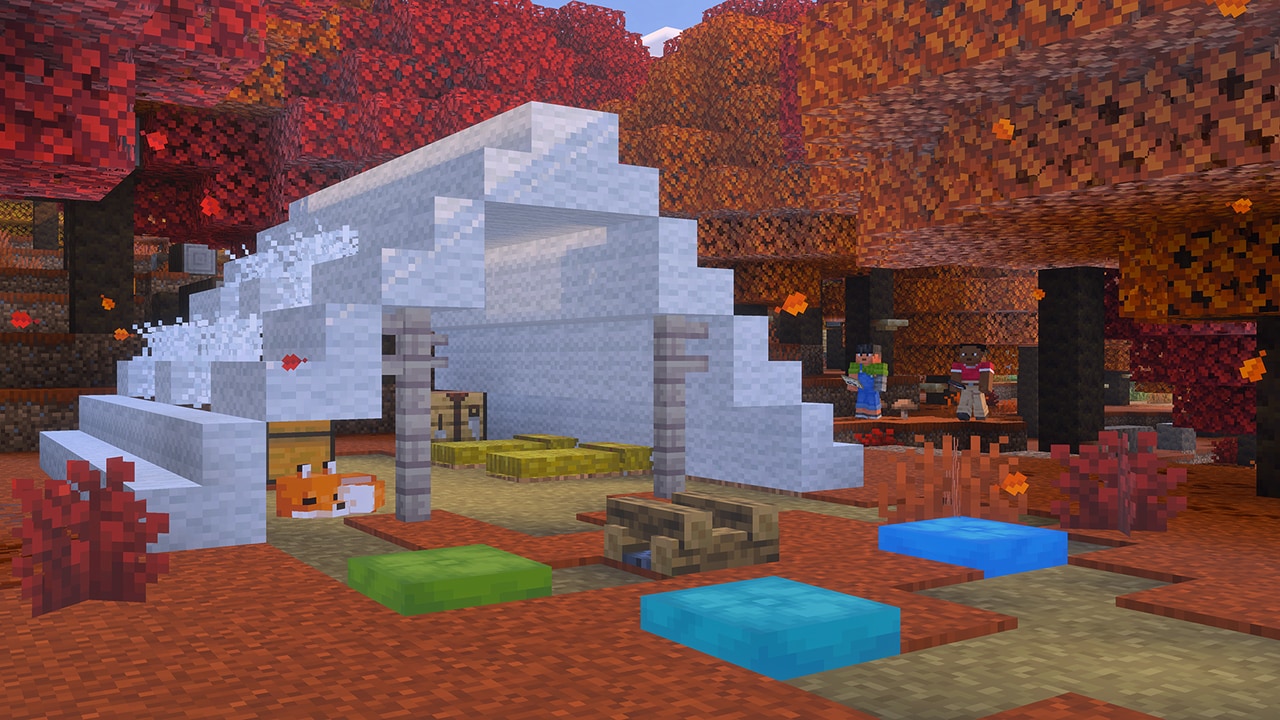
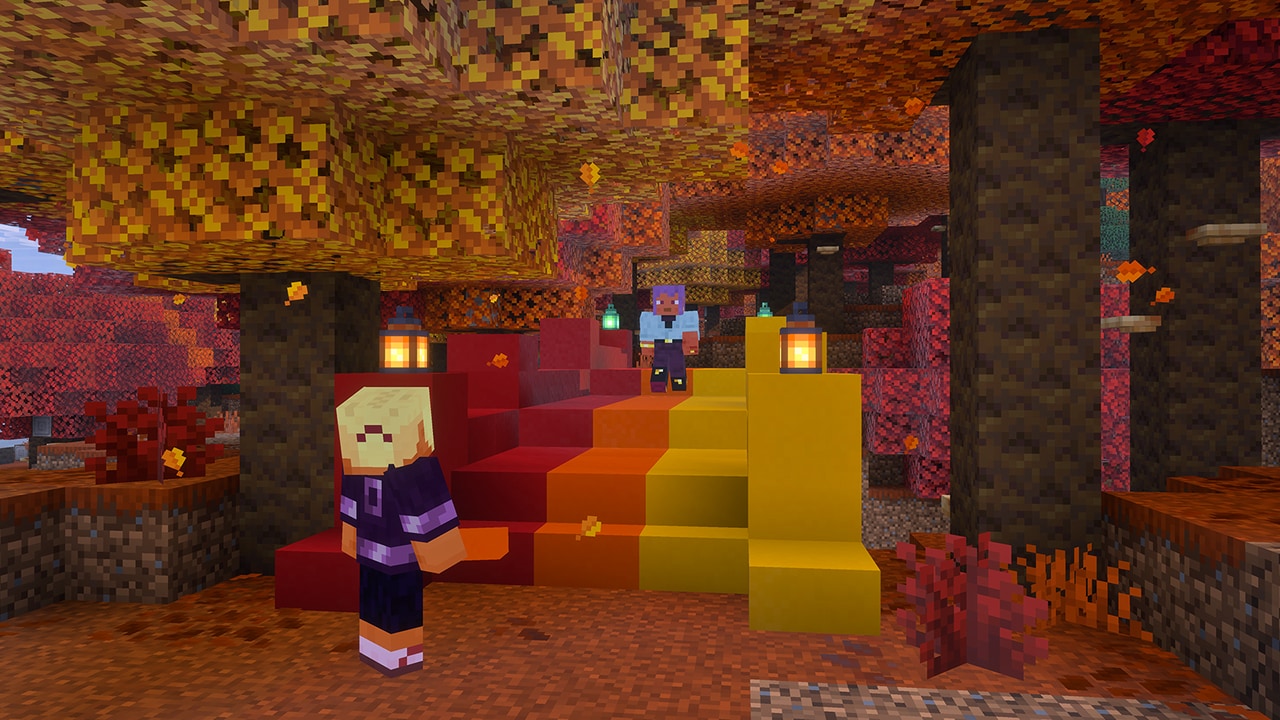
Poplar trees generate exclusively in the Dappled Forest, the new autumn-themed biome added in Wilderness Bound. The Dappled Forest spawns near cold biomes and is filled with poplar trees, patches of coarse dirt, red shrubs, leaf litter, brown and shelf mushrooms, and the occasional sparse spruce tree. Rabbits, foxes and the cold variants of farm animals live here too, and Abandoned Camp structures — small shelters with loot chests — generate throughout the biome.
Each poplar tree's leaf color — orange, red or yellow — is picked randomly when the world generates the tree, so a single Dappled Forest can show all three shades at once. That randomness is purely cosmetic; every color of poplar log produces the same wood, planks and blocks once chopped down.
2. Every Poplar Wood Block and How to Craft It
Chopping a poplar tree gives you poplar logs, which convert into the full standard wood-block family, just like oak or spruce. The complete poplar set added in Wilderness Bound includes:
- Poplar Log and Stripped Poplar Log — strip a log with an axe to remove the bark texture.
- Poplar Wood and Stripped Poplar Wood — four matching logs crafted together yield three wood blocks, useful for bulk building.
- Poplar Planks — crafted from poplar logs or wood, the base ingredient for the rest of the set.
- Poplar Stairs and Poplar Slabs — standard shaping recipes from planks.
- Poplar Fence and Poplar Fence Gate — crafted from planks and sticks.
- Poplar Door and Poplar Trapdoor.
- Poplar Button and Poplar Pressure Plate.
- Poplar Sign and Poplar Hanging Sign — the hanging sign uses stripped poplar logs.
- Poplar Boat and Poplar Boat with Chest.
- Poplar Shelf — the new storage-and-display block, covered in detail below.
Poplar wood also works as furnace fuel at the same rate as every other Overworld wood, smelting roughly 1.5 items per log burned. Like oak and spruce, poplar wood blocks are flammable, so keep them away from lava and campfires unless you want an accidental bonfire.
Growing Your Own Poplar Trees
Poplar saplings drop from poplar leaves the same way any other sapling does, and they grow the same way: plant one on dirt, grass, coarse dirt or podzol with enough light, and either wait for it to grow naturally or speed it up with bone meal. Because Dappled Forests aren't especially common, most players harvest a handful of saplings on their first visit and start a poplar farm back at their base rather than returning to the biome every time they need more wood.
3. Poplar Leaves: The Three Autumn Colors Explained
Poplar Leaves are the first Overworld leaf block to ship with multiple color variants built in. Each tree generates with one of three leaf colors — yellow, orange or red — and matching colored leaf particles fall from the canopy, which is what gives Dappled Forests their drifting, autumnal look in trailers and screenshots.
The colors are purely decorative: all three variants share the same hardness, light-passing behavior and sapling drop chance. If you want a specific shade for a build, the reliable way to get it is to find (or grow) a tree of that color, since there's no dye or crafting recipe to convert one leaf color into another.
4. The Shelf: Poplar Wood's New Storage and Redstone Block
The Shelf itself isn't exclusive to poplar — it was actually added to Minecraft slightly earlier, in Java Edition snapshot 25w31a, in every other wood type. What Wilderness Bound adds is the Poplar Shelf, completing the set so poplar builds don't need to mix in another wood just for storage.
A shelf can hold and display up to three item stacks on its front face, and clicking a slot swaps its contents with whatever is in your hotbar. Power a shelf with redstone and it can batch-swap multiple connected shelves at once, similar to swapping a saved hotbar loadout in Creative mode. Shelves also output a comparator signal based on which slots are filled, and — like poplar planks — they burn as furnace fuel at 1.5 items per shelf. To craft one, you need stripped poplar logs (or another wood's stripped logs/stems) arranged with the matching recipe.
5. Building Tips: Pairing Poplar With the Rest of Wilderness Bound
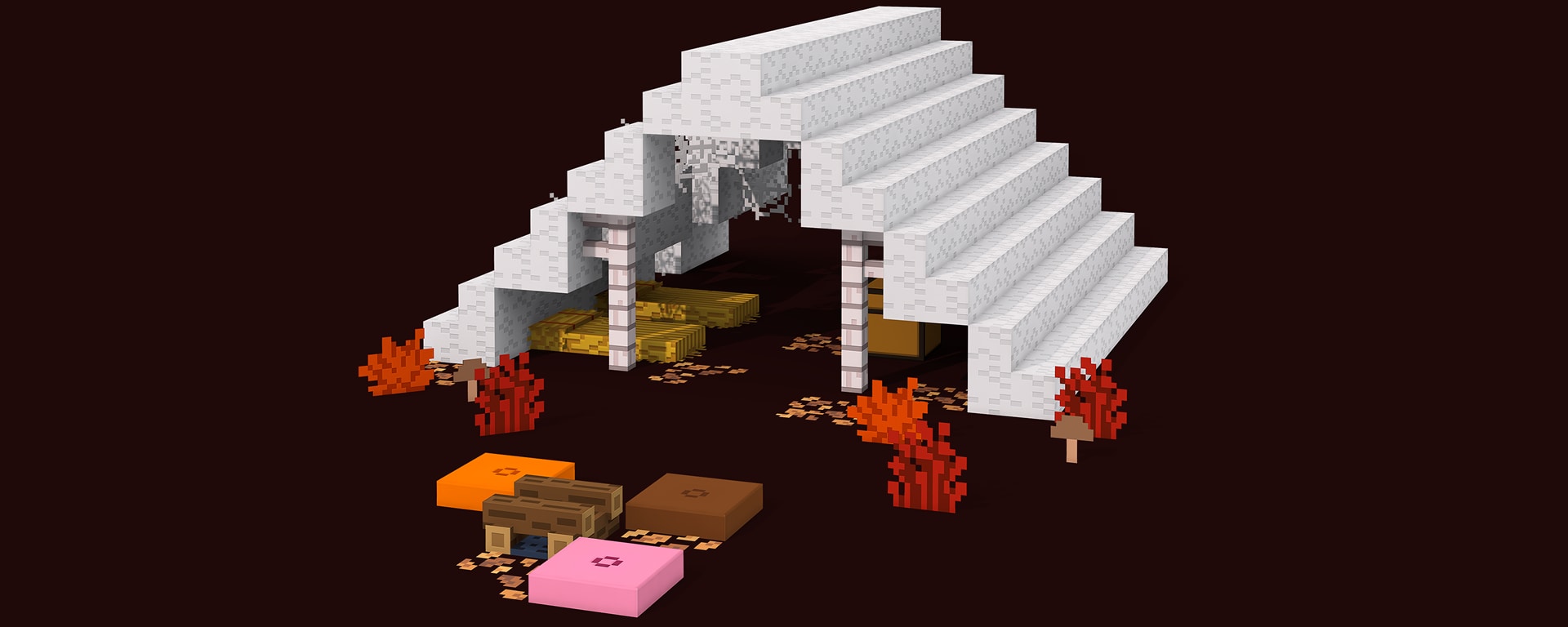
Poplar wasn't released alone — Wilderness Bound also added Straw Beds (a sleep-only bed that doesn't move your spawn point), Cushions (the first sit-down furniture in Minecraft, in all 16 wool colors), and full stair and slab sets for every concrete and wool color. All of it was clearly designed to be used together.
- Match leaf color to accents. Orange-leaved poplar pairs naturally with orange wool cushions or orange concrete trim; red and yellow leaves work the same way with their matching colors.
- Use Straw Beds for camps, real beds for home. Straw Beds are ideal for a poplar-wood basecamp or watchtower since they don't reset your spawn point, while a normal bed still makes sense back at your main base.
- Cushions turn a poplar porch into a hangout spot. Since Wilderness Bound is the first drop where players can sit down at all, a ring of cushions around a campfire — the same setup used in the official Abandoned Camp structures — is an easy way to make a poplar build feel lived-in.
- New concrete and wool stairs give poplar a stone counterpart. Every wool and concrete color now has stairs and slabs, so you can trim a poplar-plank cabin in colored stone accents instead of relying on other wood types.
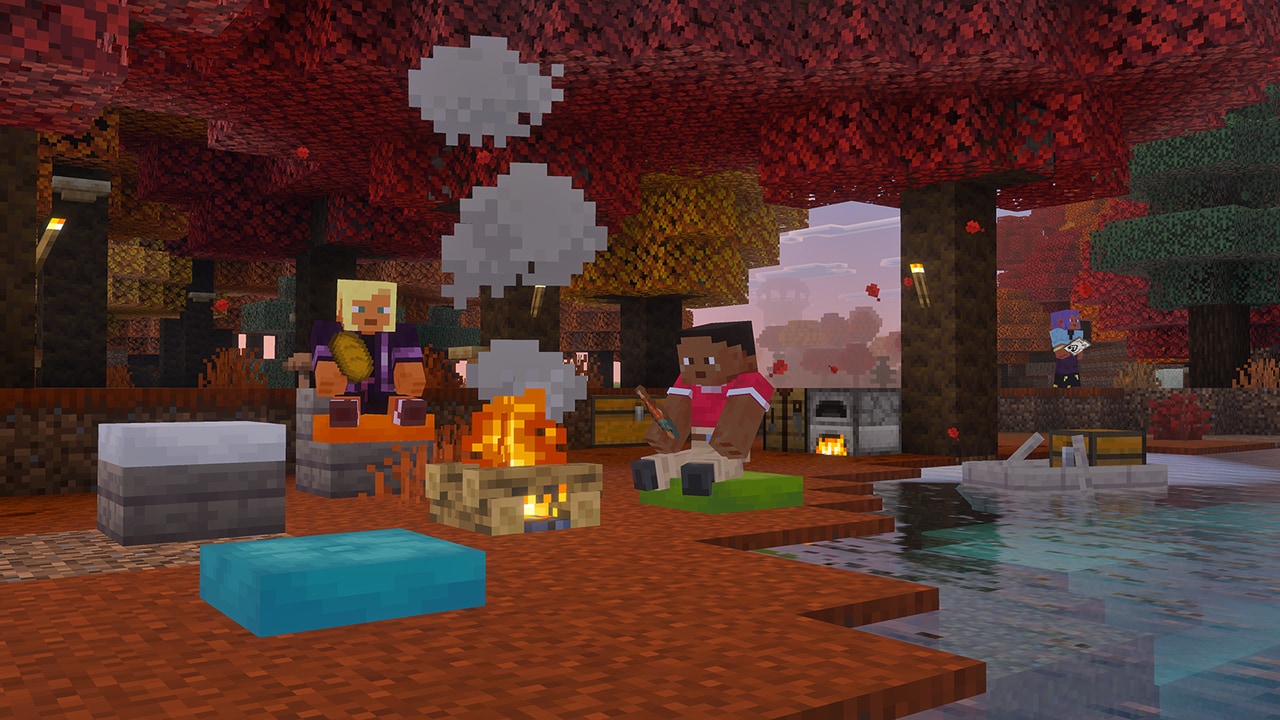
If you want the full picture of what else shipped in this drop — the new mushroom and suspicious stew recipes, the updated map textures, and every other change — the site's complete Wilderness Bound breakdown covers the whole update. And if you're wondering what's coming next, Mojang has already confirmed when and how to watch this year's Minecraft Live broadcast.
6. Quick Tips Recap
- Poplar only grows naturally in the Dappled Forest biome, which spawns near cold biomes.
- Leaf color (yellow, orange or red) is random per tree and purely cosmetic — chop down a few trees to get a variety of saplings for your own farm.
- Poplar has the full standard wood-block set: logs, wood, planks, stairs, slabs, fences, doors, trapdoors, buttons, pressure plates, signs, hanging signs and boats.
- The Poplar Shelf completes the set and doubles as redstone-powered storage and a fuel source.
- Pair poplar with Straw Beds, Cushions and the new colored concrete/wool stairs for a build that matches the rest of the Wilderness Bound drop.
Poplar wood is a small addition on paper — one more plank color in a game that already has eleven — but the matching leaf palette, the Abandoned Camp structures built around it, and the new Shelf variant make it one of the more complete building kits Minecraft has shipped in a single drop. Grab a few saplings on your next trip through a Dappled Forest and it's an easy set to fold into any base.
Official Resources:
Looking for more on Mojang's other current-gen releases? Check out the full Minecraft Dungeons II release date and story breakdown, or browse the site's full library of game walkthroughs for more guides.