VALORANT Maps Explained: Every Map's Setting and Signature Mechanic
VALORANT's thirteen maps each hinge on a different mechanic, from Bind's one-way teleporters to Haven's three bomb sites. This guide groups every map by its signature traversal gimmick, straight from Riot Games' own descriptions, so you know exactly what you're walking into.
VALORANT has shipped thirteen maps since launch, and no two of them play the same way. Some hand attackers teleporters, some hand them ziplines, and one map does not even let a round's bomb doors reopen once they are shut. If you are trying to make sense of why your lineups work on one map and fall apart on another, the answer usually comes down to the specific traversal gimmick Riot Games built into that map's layout. Here is every map in the current pool, grouped by the mechanic that defines it.
This is a systems guide, not a callout sheet — it explains what each map is built around and why that changes how a round is won, using Riot's own map descriptions as the source for every detail below.
1. How a VALORANT Map Actually Works
Every VALORANT map is built around the same basic contract: one team attacks, trying to plant the Spike at one of a map's bomb sites and defend the plant for 45 seconds, while the other team defends, trying to stop the plant or defuse it in time. Rounds are won by eliminating the opposing team, running out the clock on defense, successfully planting and defending the Spike, or defusing it. Beyond that shared ruleset, a map's identity comes from three things: how many sites it has, how players move between them, and what one-way or irreversible tools either side can use to lock down space.
That is why map knowledge matters as much as aim. A smoke lineup, a flash angle or a retake plan that works on Bind is often useless on Split, because the underlying geometry — teleporters versus rope ascenders — is nothing alike. The sections below group VALORANT's maps by that underlying mechanic rather than by release date, so the shared logic is easier to see.
2. Three-Site Maps: Haven and Lotus
Most VALORANT maps give attackers two bomb sites to choose from. Only two maps currently give them three.
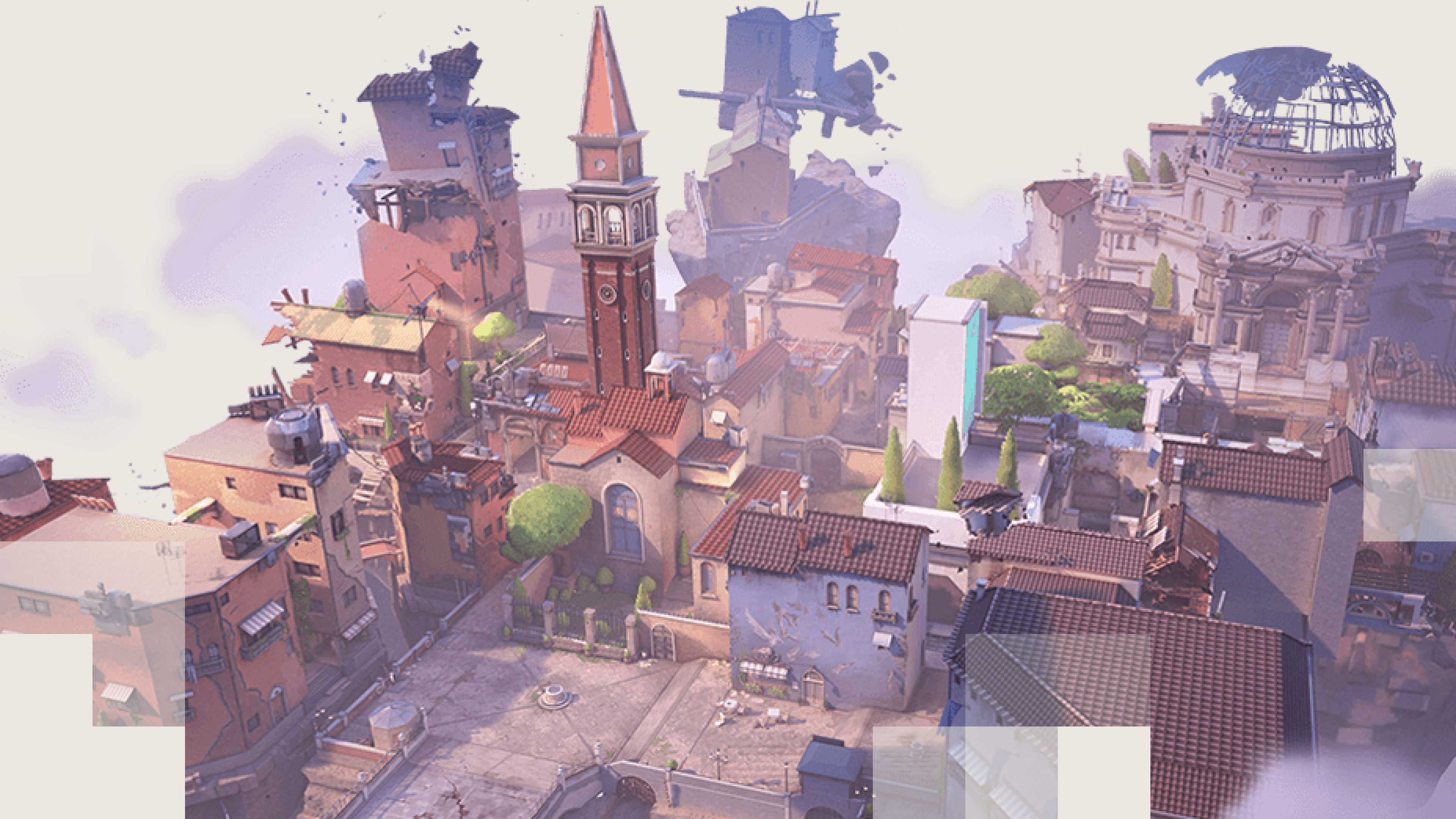
Haven sits beneath a forgotten monastery in a mountain valley and is, per Riot, the map with "three sites to control." The extra site spreads defenders thinner across the map, which means attackers can credibly threaten a third lane that defenders simply cannot hold as heavily as on a two-site map.
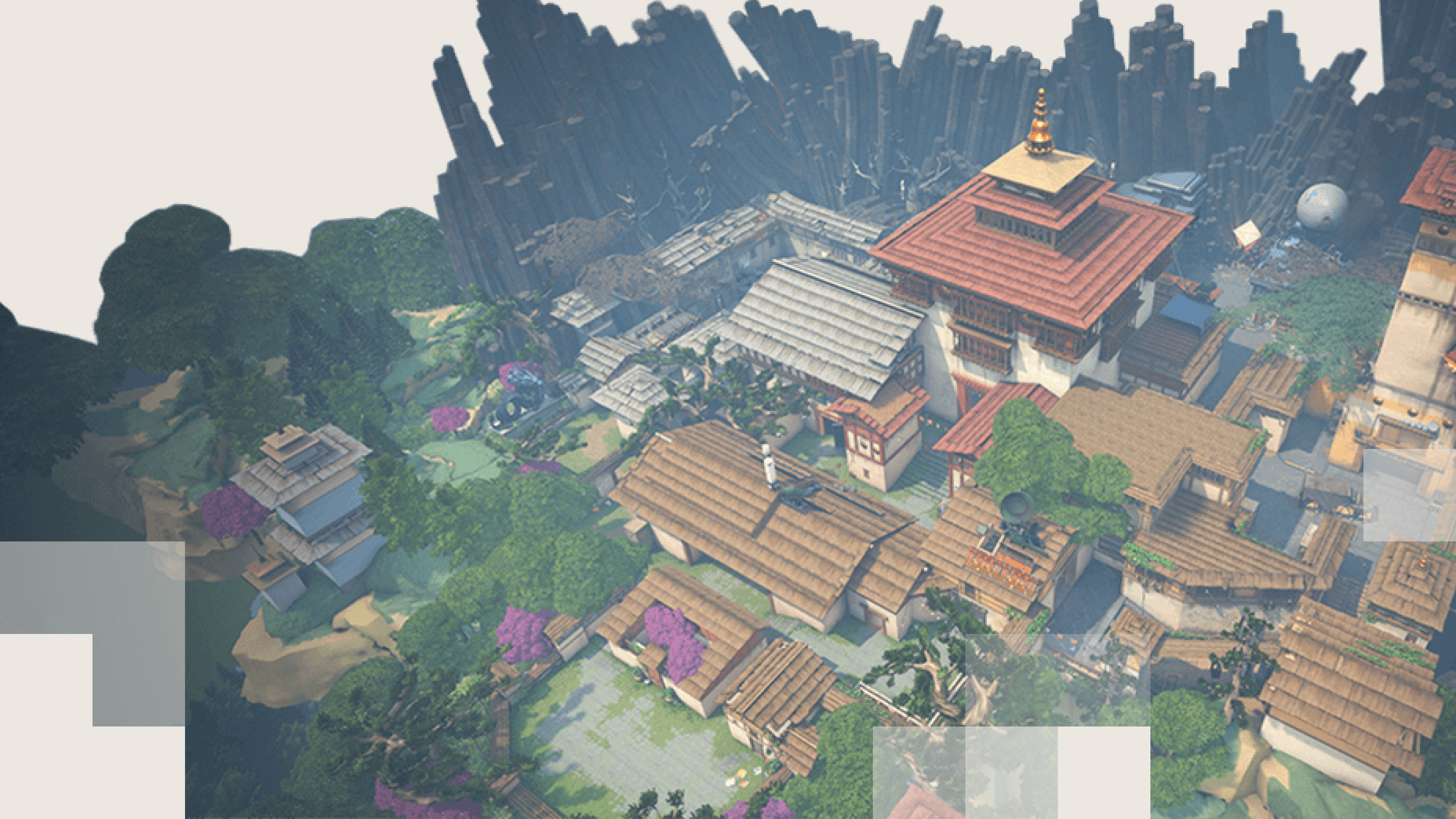
Lotus is built around a different idea: access rather than raw site count. Riot describes it as "a structure housing an astral conduit," where "great stone doors create movement options and unlock paths to three sites." Those doors can be opened, closed or destroyed mid-round, so Lotus turns site control into a puzzle about which doors are still standing rather than just who holds more space.
3. Teleporters and One-Way Flanks: Bind
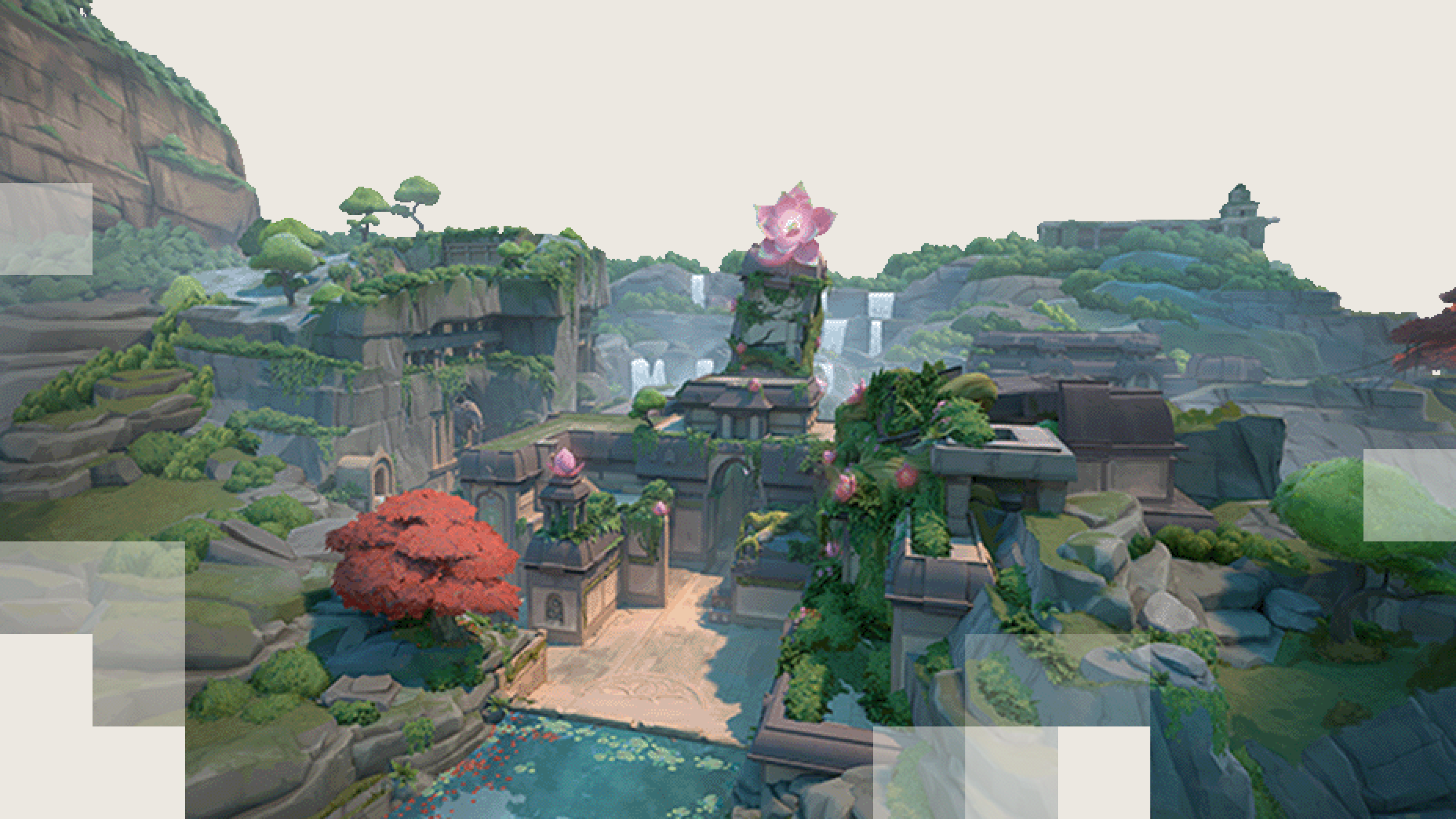
Bind is the only VALORANT map built with no middle area at all. Instead, Riot's own description calls out "two sites with no middle, plus a pair of one-way teleporters that make flanking easier." Because there is no direct route between the two sites, those teleporters are the fastest way to rotate, and since they only run in one direction at a time, they double as a surprise flank route that defenders have to watch constantly.
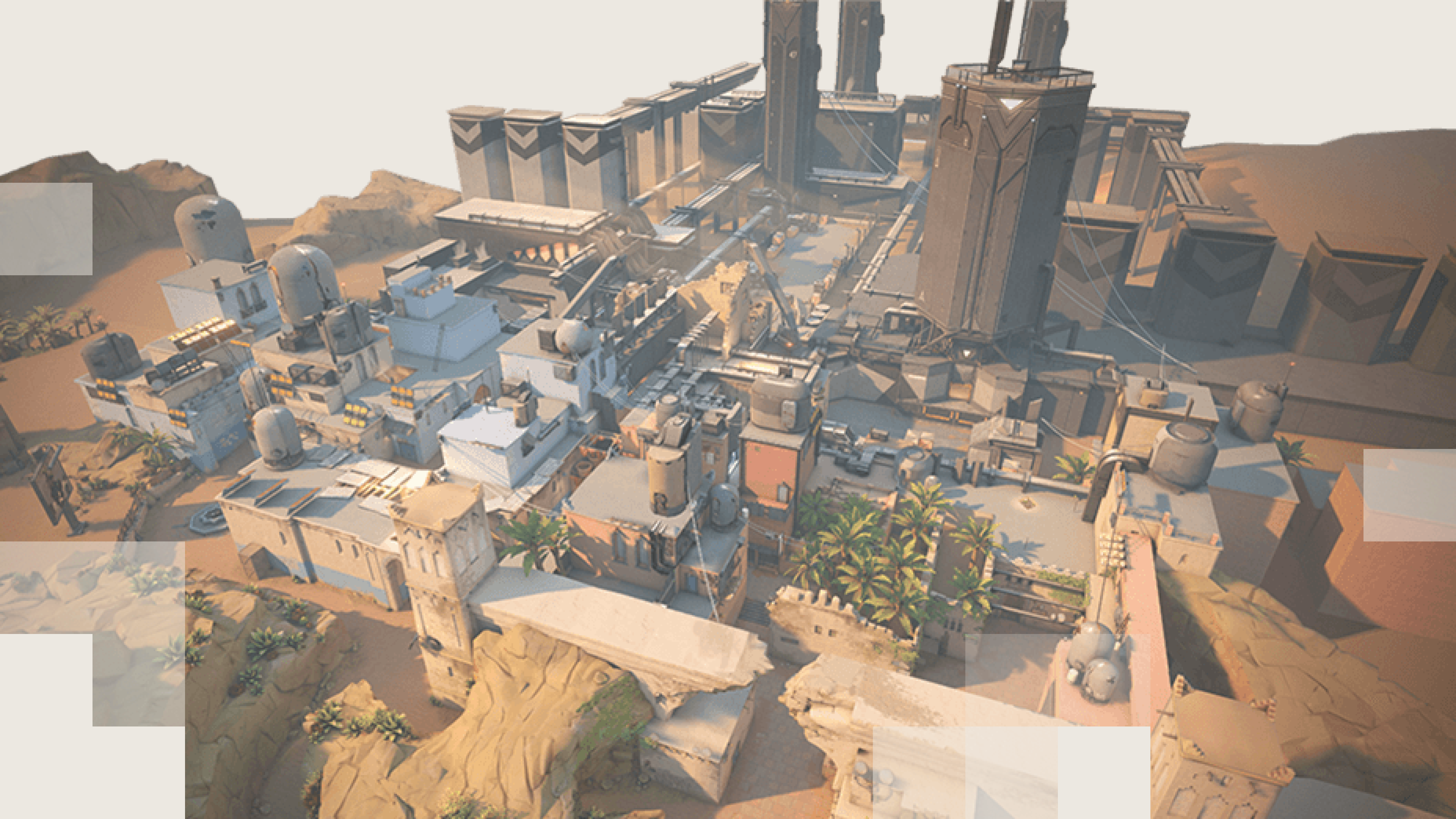
Because rotations are so constrained, Bind rewards teams that commit to a read early rather than playing for information the way they might on a more open map.
4. Ropes and Ziplines: Split and Icebox
Two maps solve vertical movement with dedicated traversal tools instead of stairs and ladders alone.
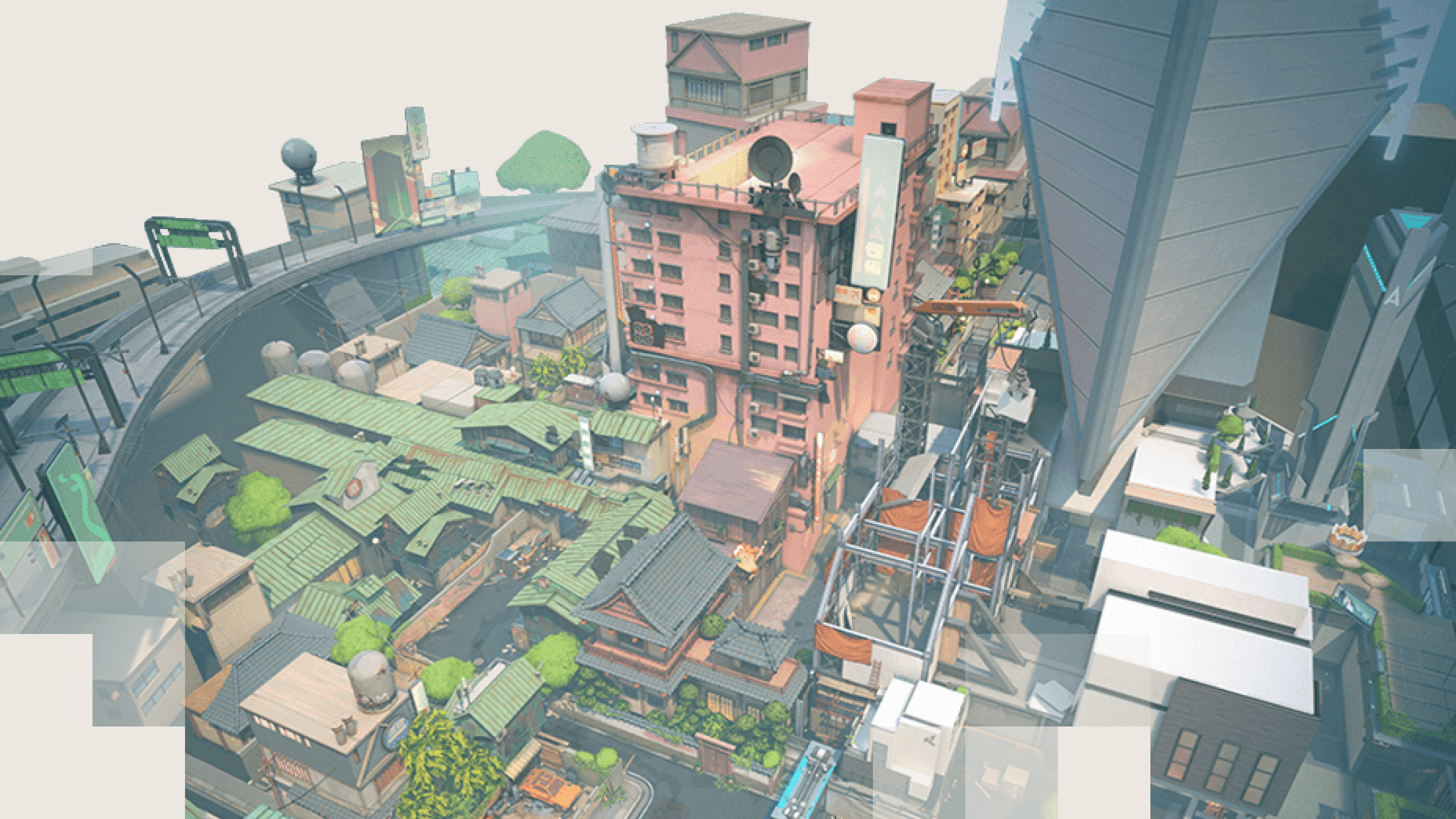
Split divides its two sites with "an elevated center, with rope ascenders for rapid movement and towers at each site," according to Riot's map page. Those ropes let players skip the ground floor entirely and drop into a site from above, which is why Split fights are won as much on verticality as on crossfires.
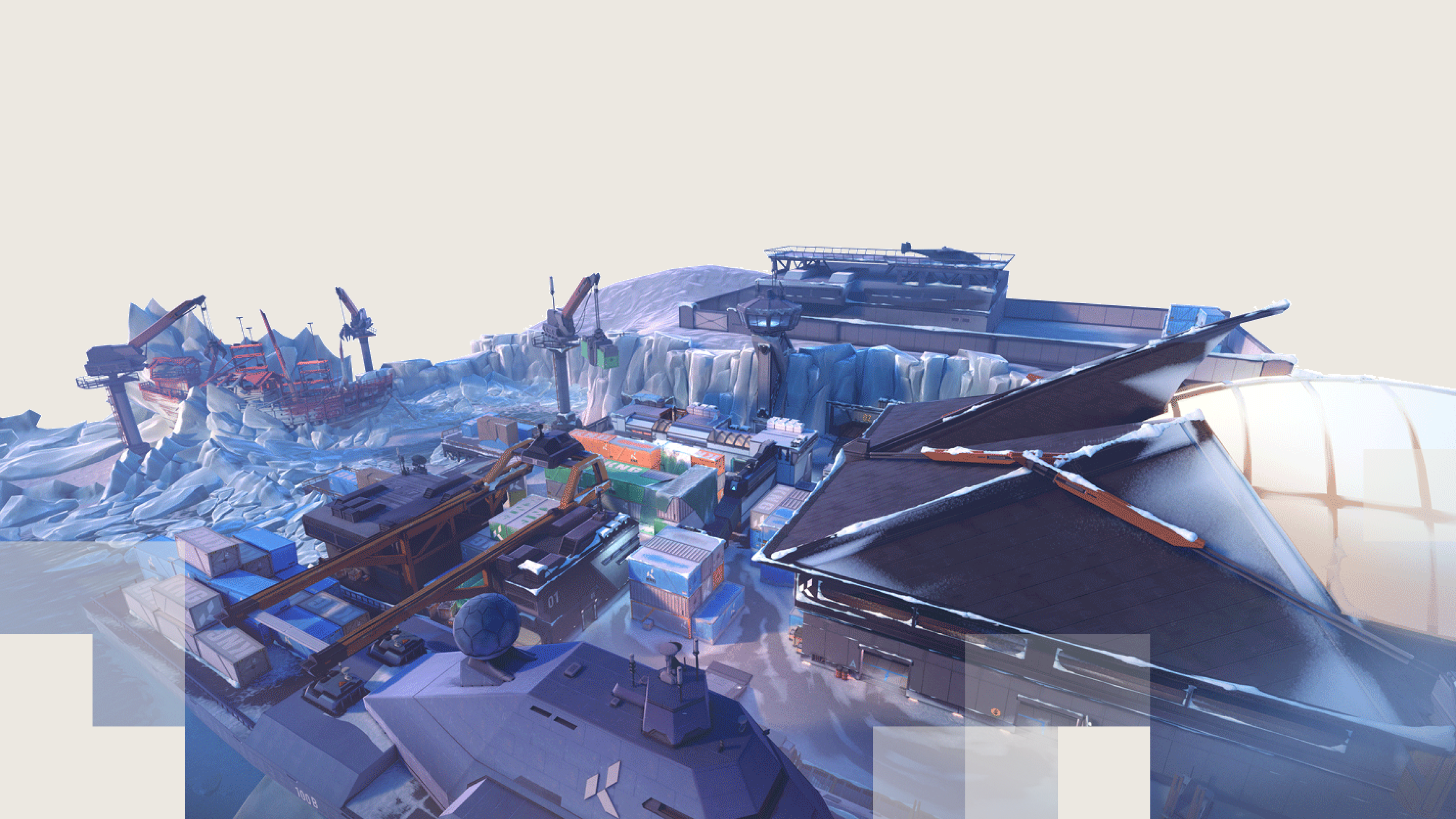
Icebox takes a different approach: it is "a Kingdom excavation site overtaken by the arctic" with "two plant sites and ziplines." Rather than ropes you climb, Icebox's ziplines carry players horizontally and vertically across its stacked cargo containers, letting a single player cover ground that would otherwise take a full rotation.
5. Broken and Reclaimed: Fracture and Abyss
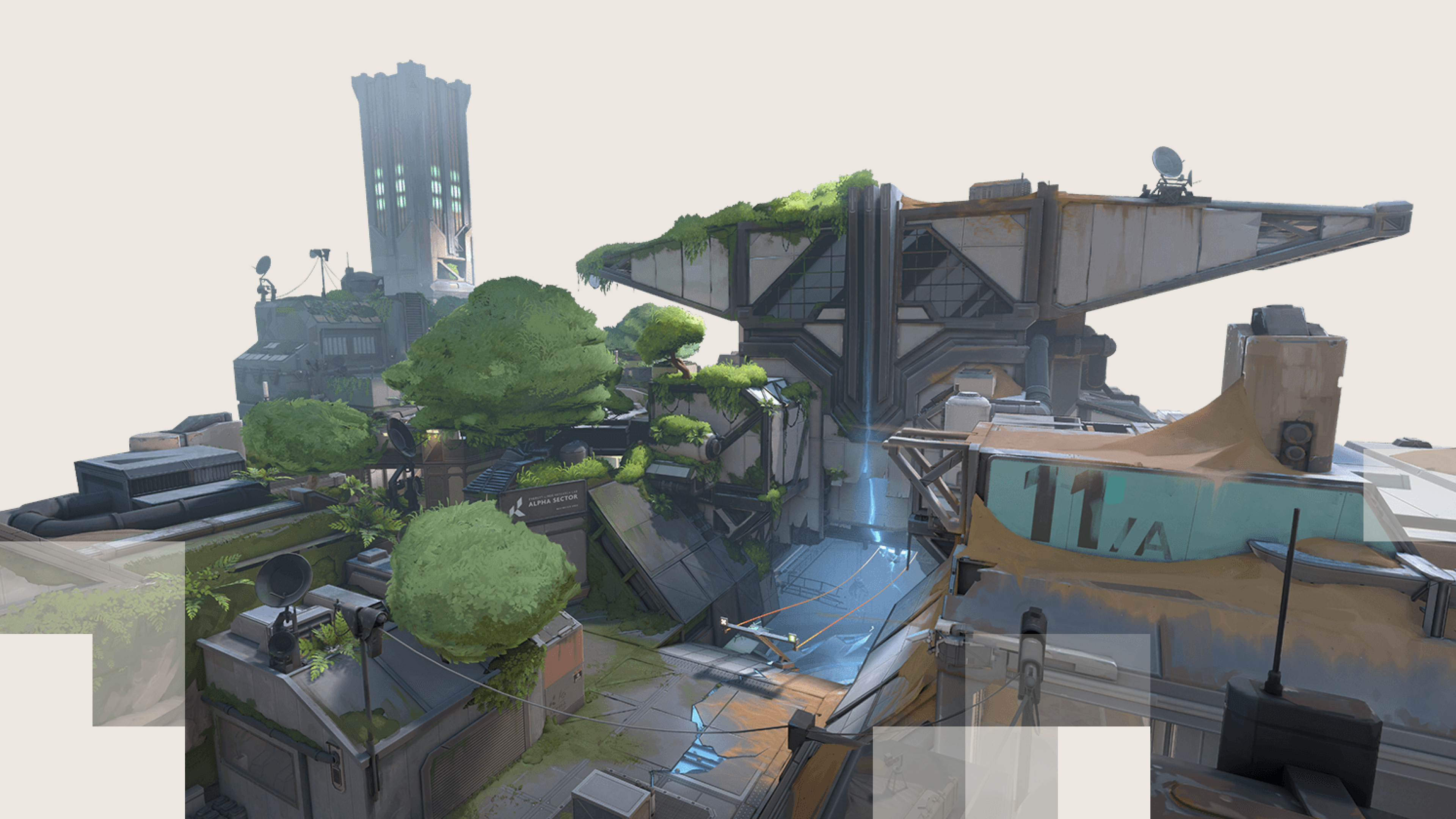
Fracture is named for what happened to it: Riot describes it as "a research facility split apart by a failed radianite experiment," whose "divided layout gives defenders two different playstyle options." Attackers approach from two opposite directions rather than one shared spawn, which flips the usual defender-advantage dynamic — on Fracture, defenders are the ones who can get surrounded.
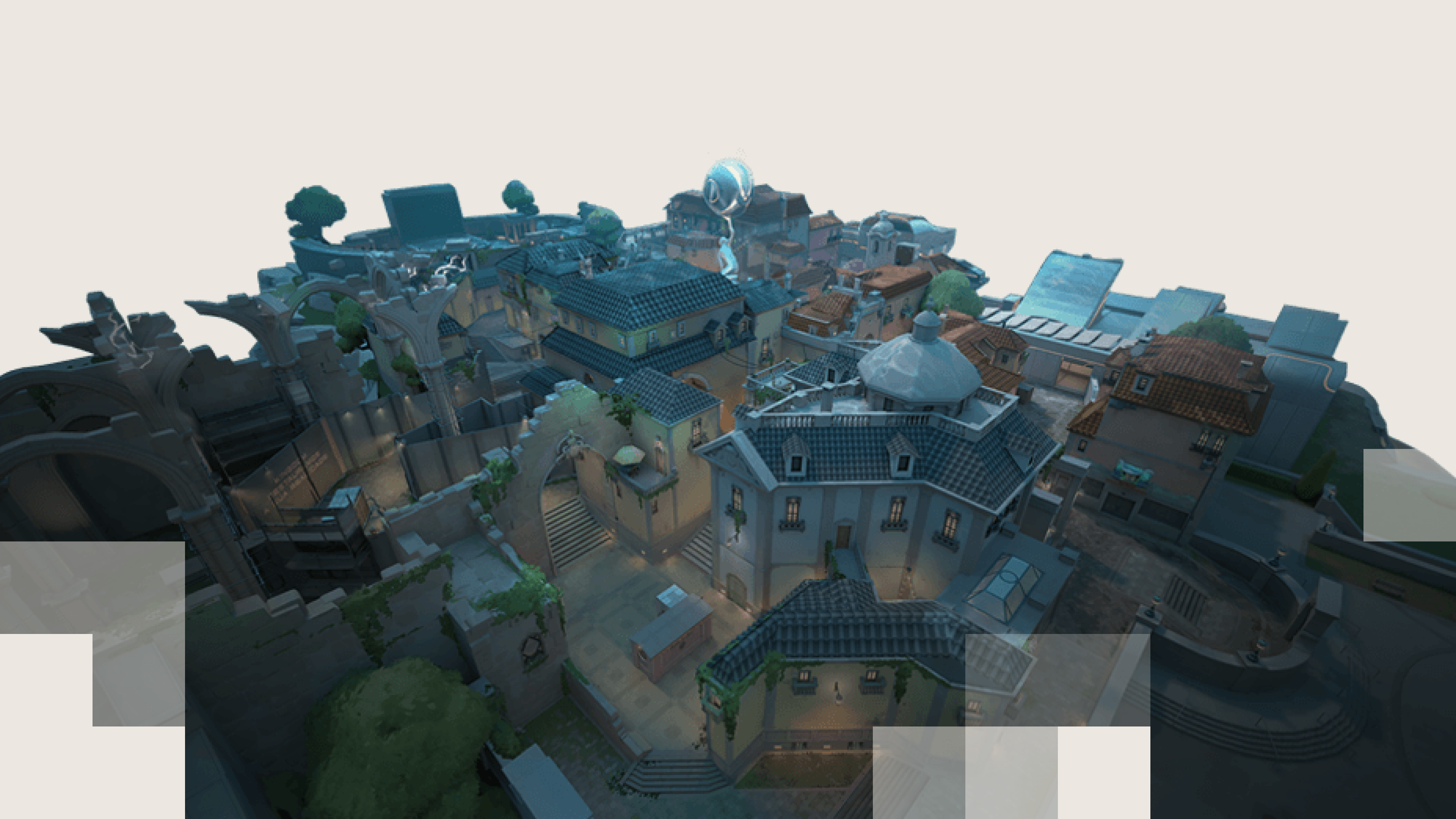
Abyss pushes the "broken" idea further. It is set in "a clandestine base inside an endless chasm," and its signature feature is that "death drops enable new utility plays." Falling off the edge of Abyss does not reset a round the way out-of-bounds does on other maps — the chasm itself is part of the design, and certain abilities are built to be thrown down into it on purpose.
6. Three-Lane Battlegrounds: Corrode and Sunset
Two of VALORANT's newer maps share a "three-lane" layout, where attackers can commit to a left, middle or right route independently rather than funneling through one or two chokepoints.
Corrode is, per Riot, "a French castle town turned radianite salt mining facility," built as "a three-lane map with layered defenses and repurposed industrial machinery." The layered defenses mean a single site can be held from multiple elevations at once, so clearing an angle on Corrode often takes more utility than clearing the equivalent angle on an older map.
Sunset is described as a city "hit by a disaster at a local kingdom facility," also built as "a three-lane map," with a distinctive food truck stop near one of its routes. Its three lanes are tighter than Corrode's, which keeps rotations fast even though attackers have more initial routes to pick from.
7. Open Sightlines: Ascent and Breeze
Ascent is one of VALORANT's original launch maps, an open two-site layout where, as Riot puts it, "each site can be fortified with irreversible bomb doors." Once a defender shuts one of those doors, it stays shut for the rest of the round — there is no reopening it — which makes the decision to close one a real commitment rather than a temporary peek-block.
Breeze goes the opposite direction on scale. Riot's description calls it "a tropical location with historic ruins and seaside caves," where "wide-open spaces favor long-range engagements." Breeze has almost no tight corridors by VALORANT standards, so rifles and long-range abilities matter more there than on any other map in the pool.
8. The Rest of the Roster: Pearl and Summit
Pearl is, in Riot's words, "a two-site map in an underwater city with no special mechanics," and the first map set on Omega Earth, VALORANT's parallel-dimension setting. Without a signature traversal gimmick, Pearl rewards fundamentals — crosshair placement, default setups and clean executes — more than any mechanic-driven map in the pool.
Summit rounds out the pool, set in "a Radiant training academy in China" where "massive droppable walls can change the battlefield's layout for an entire round." Dropping one of those walls is a one-time, round-long decision much like Ascent's bomb doors, except Summit's walls can open up entirely new sightlines rather than just closing an existing one.
9. Quick-Tips Recap
- Haven and Lotus are VALORANT's only three-site maps — Haven by raw site count, Lotus by rotating stone doors.
- Bind has no middle lane at all; its one-way teleporters carry nearly all rotation traffic.
- Split and Icebox both solve verticality with dedicated tools — rope ascenders on Split, ziplines on Icebox.
- Fracture's two-direction attacker spawns and Abyss's death-drop chasm both flip the usual defender-advantage dynamic.
- Corrode and Sunset are VALORANT's three-lane maps, trading chokepoints for more initial routes.
- Ascent's bomb doors and Summit's droppable walls are both irreversible, round-long commitments once used.
- Pearl is the pool's one map with no signature mechanic, which is exactly what makes it a fundamentals test.
Map knowledge compounds with everything else in VALORANT's kit. The Agent Mastery system and new Warden rifle added this season change how individual duels play out on each of these layouts, and the format differences show up at the highest level too — the eight teams fighting through VALORANT Champions Shanghai 2026's bracket are drafting bans with these exact mechanics in mind. If you're coming from another tactical shooter, it's worth comparing how differently a map rotation can shape a season — Call of Duty: Black Ops 7's Season 06 multiplayer map and mode additions take a very different approach to layout variety.
10. Official Resources
- VALORANT's official maps page — every map's setting and description, direct from Riot Games.
- VALORANT Patch Notes 13.06 — the most recent official patch notes covering the current season.
- VALORANT Champions Shanghai 2026 tournament hub — official standings and format for the current international event.
For more guides like this one, browse the full walkthroughs.net game guide archive.