The Room Series Explained: Puzzle Mechanics, Story and the Five Games in Order
The Room series from Fireproof Games spans five award-winning puzzle games, from 2012's original iPad hit to 2020's The Room VR: A Dark Matter. Here's how the five games connect, what makes their signature eyepiece mechanic work, and where to play them today.
If you have ever seen a screenshot of a glowing brass eyepiece hovering over an impossibly ornate puzzle box, you have almost certainly seen The Room. Fireproof Games' first-person puzzle series turned a single cast-iron safe into one of mobile gaming's most decorated franchises, then followed it with four more games that kept the same idea — examine, twist, unlock, repeat — while building out an increasingly strange story. Here is how the five games fit together, what the series' core mechanics actually are, and where to play them today.
1. What Is The Room Series?
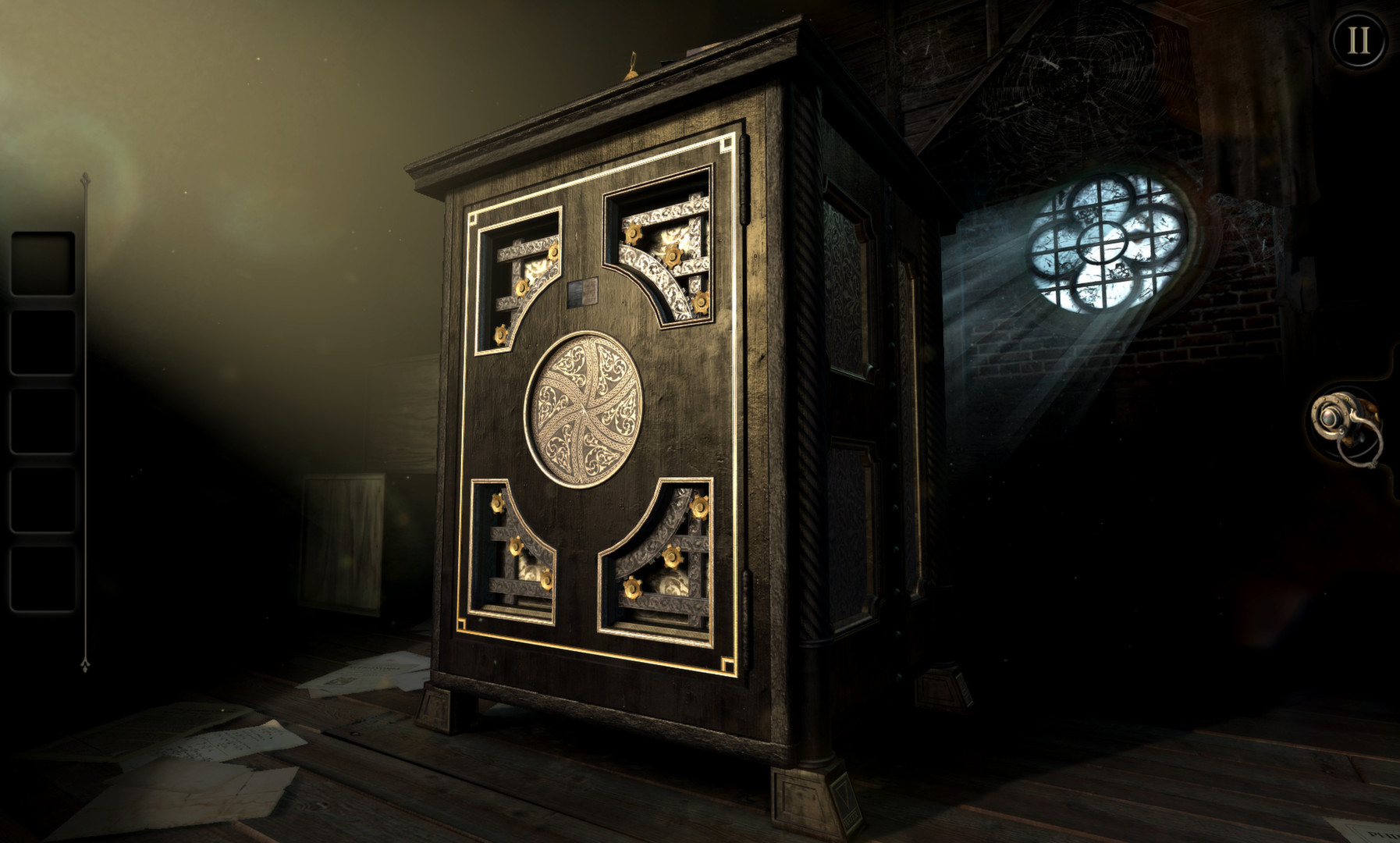
The Room is a line of first-person puzzle games built around a single object in a single room: a safe, a crypt pedestal, a dollhouse. You are given no weapons, no inventory screen in the traditional sense, and almost no dialogue. Instead you are handed a brass eyepiece that reveals hidden symbols, UV markings and secret compartments invisible to the naked eye, and you are left to work out, piece by piece, how the object in front of you opens. Developer Fireproof Games has released five entries since 2012, and together they have passed 18 million unit sales across 12 digital storefronts, according to the studio's own numbers.
2. Fireproof Games: The Studio Behind the Puzzles
Fireproof Games is a small, independent studio based in Guildford, UK. It was founded in 2008 when six art leads left Criterion Games (the Burnout series) to set up what was first an outsourcing studio, building environments for other publishers' AAA console titles. Development on an original idea — a puzzle game built entirely around one ornate object — began in 2011. That project became The Room, and its success let the six-person studio grow into a full original-IP developer; Fireproof now lists 21 developers on its team.
The original game did not just sell well — it swept the industry's puzzle and mobile awards. Fireproof's own studio history credits The Room with an Apple Design Award / Game of the Year nod, a BAFTA for British Game, a GDC Award for Best Handheld/Mobile Game, and a TIGA Award for Best Game Design.
3. The Five Games, In Order
Each entry in the series is a self-contained puzzle box with its own setting, but they share a loose continuity involving a reclusive craftsman, an alchemical substance called the Null, and the mysterious organisation hunting it. Here is the release order, with the PC/Steam launch dates Fireproof has listed on each store page (all five began life as mobile releases before coming to Steam).
The Room (2012)
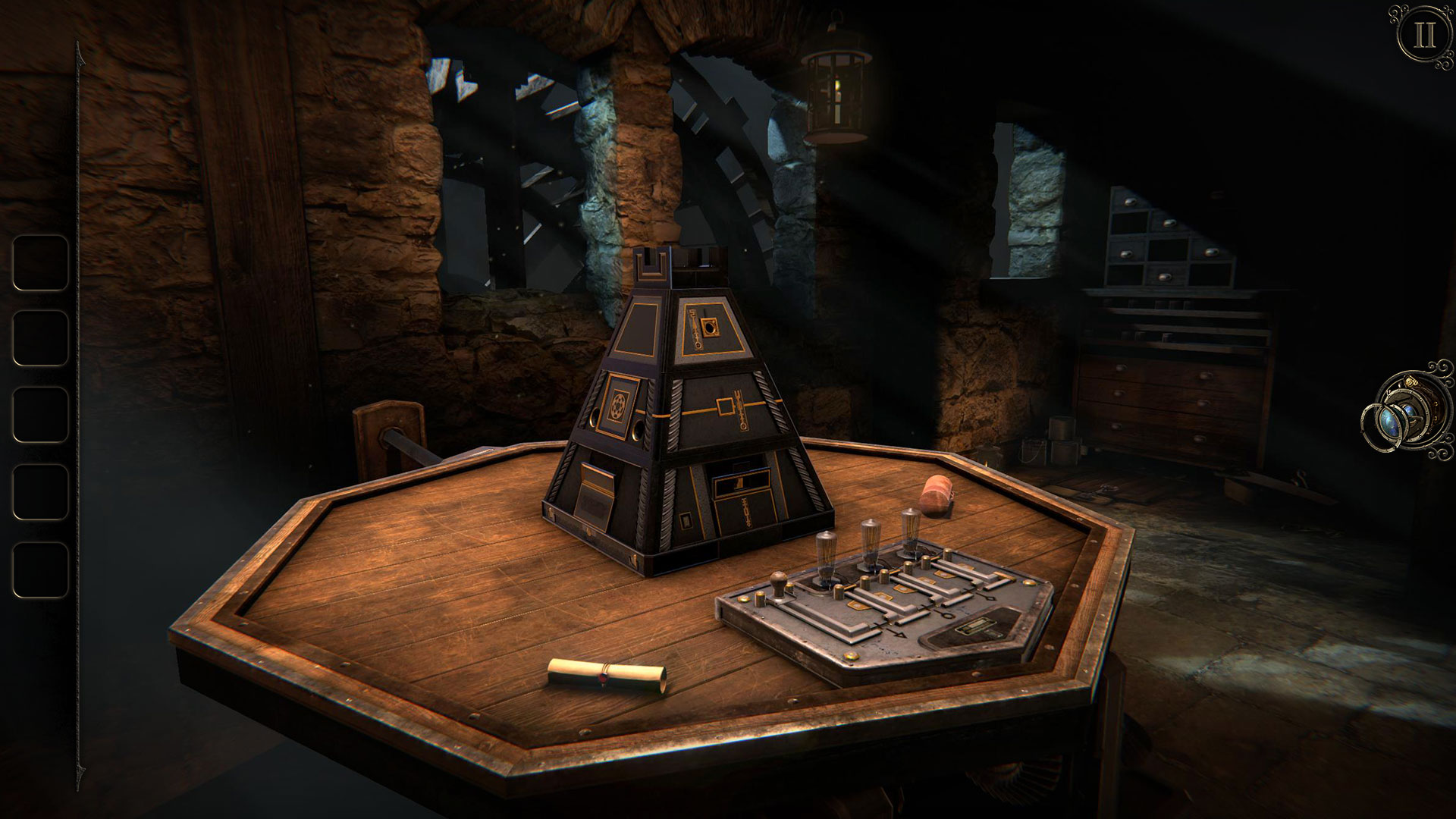
The one that started it all. A letter from a vanished colleague leads you to an attic and a single cast-iron safe covered in strange carvings. Solving it opens another, smaller box inside — and another after that. It debuted on iOS in 2012 and arrived on Steam on July 28, 2014.
The Room Two
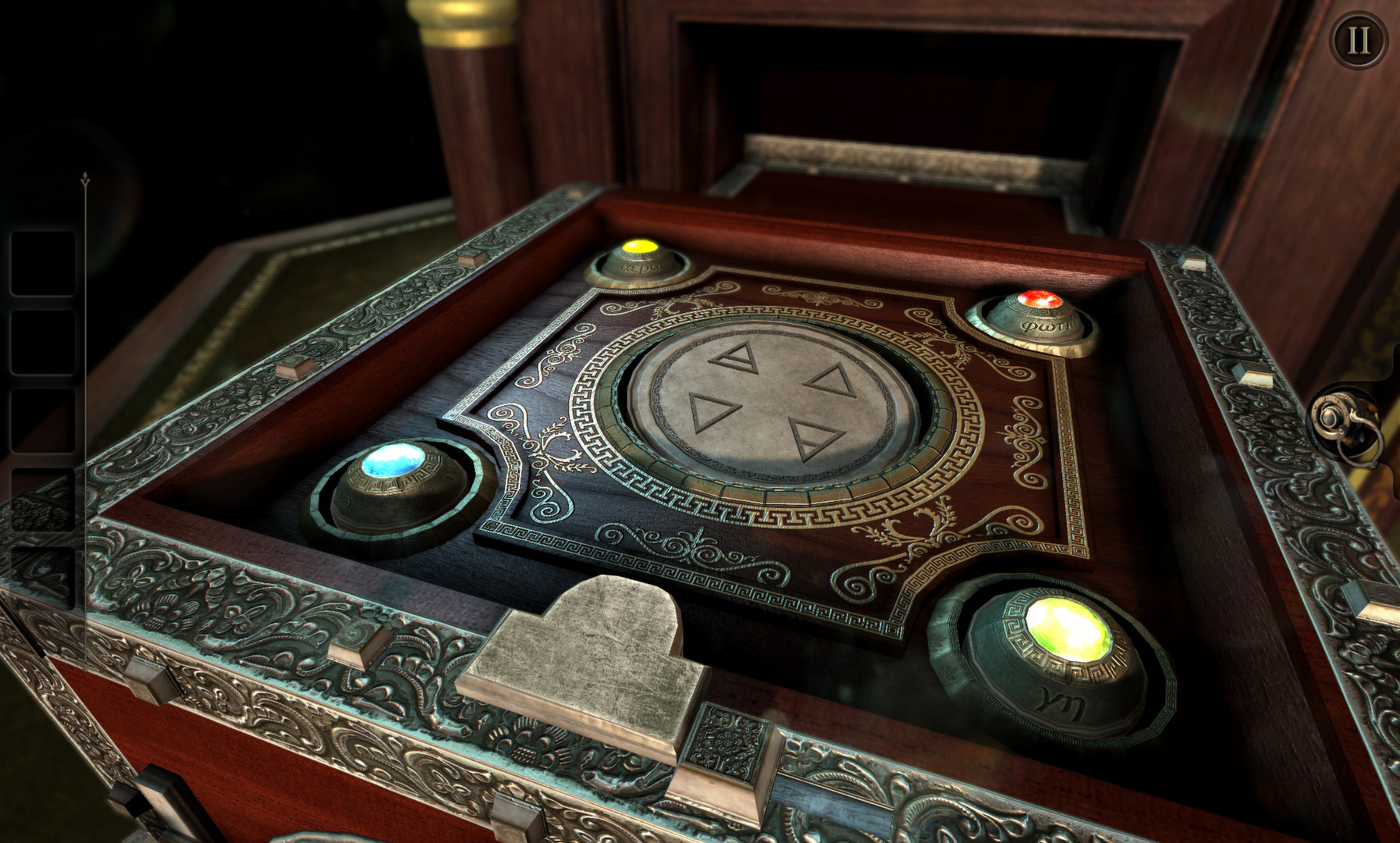
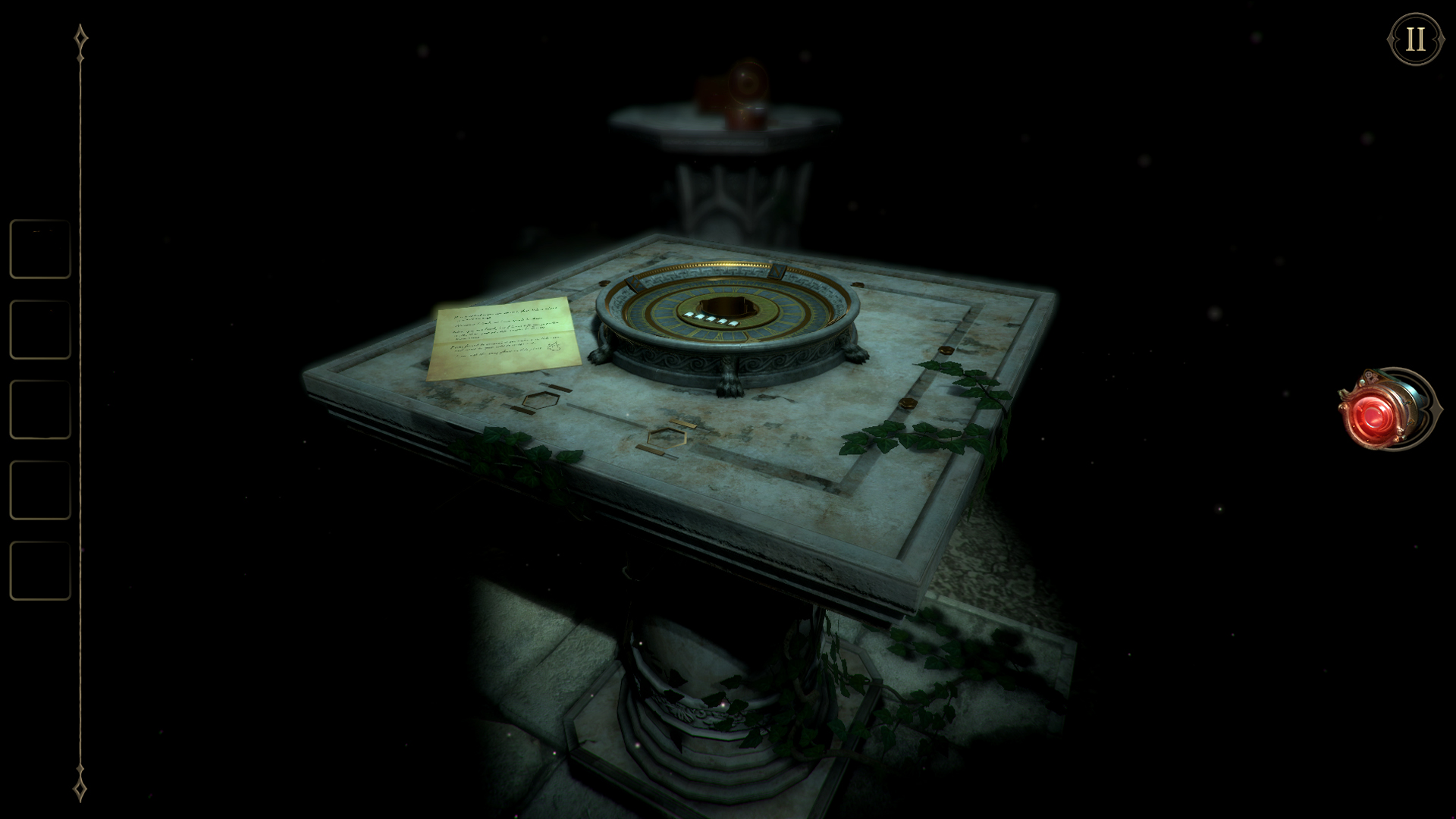
The sequel breaks out of the single-box structure and sends you through several connected environments — a study, a lighthouse, a crypt — each built around its own centrepiece puzzle. It reached Steam on July 5, 2016.
The Room Three
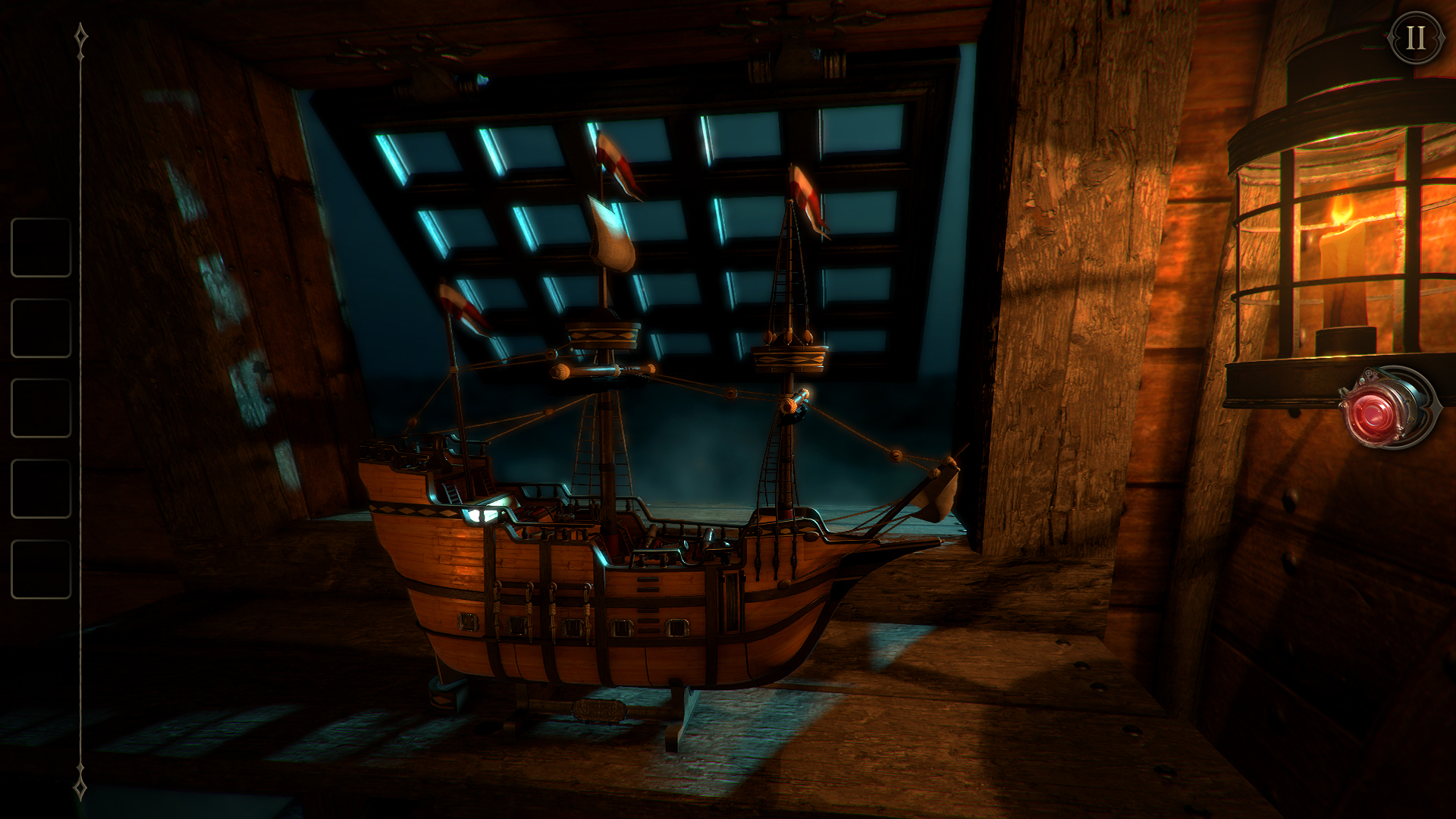
The biggest structural change in the series: instead of one location, you are lured to an entire island full of trials devised by a figure known only as "the Craftsman," and the game lets you move between four different endings depending on which paths you solve. It launched on Steam on November 13, 2018.
The Room 4: Old Sins
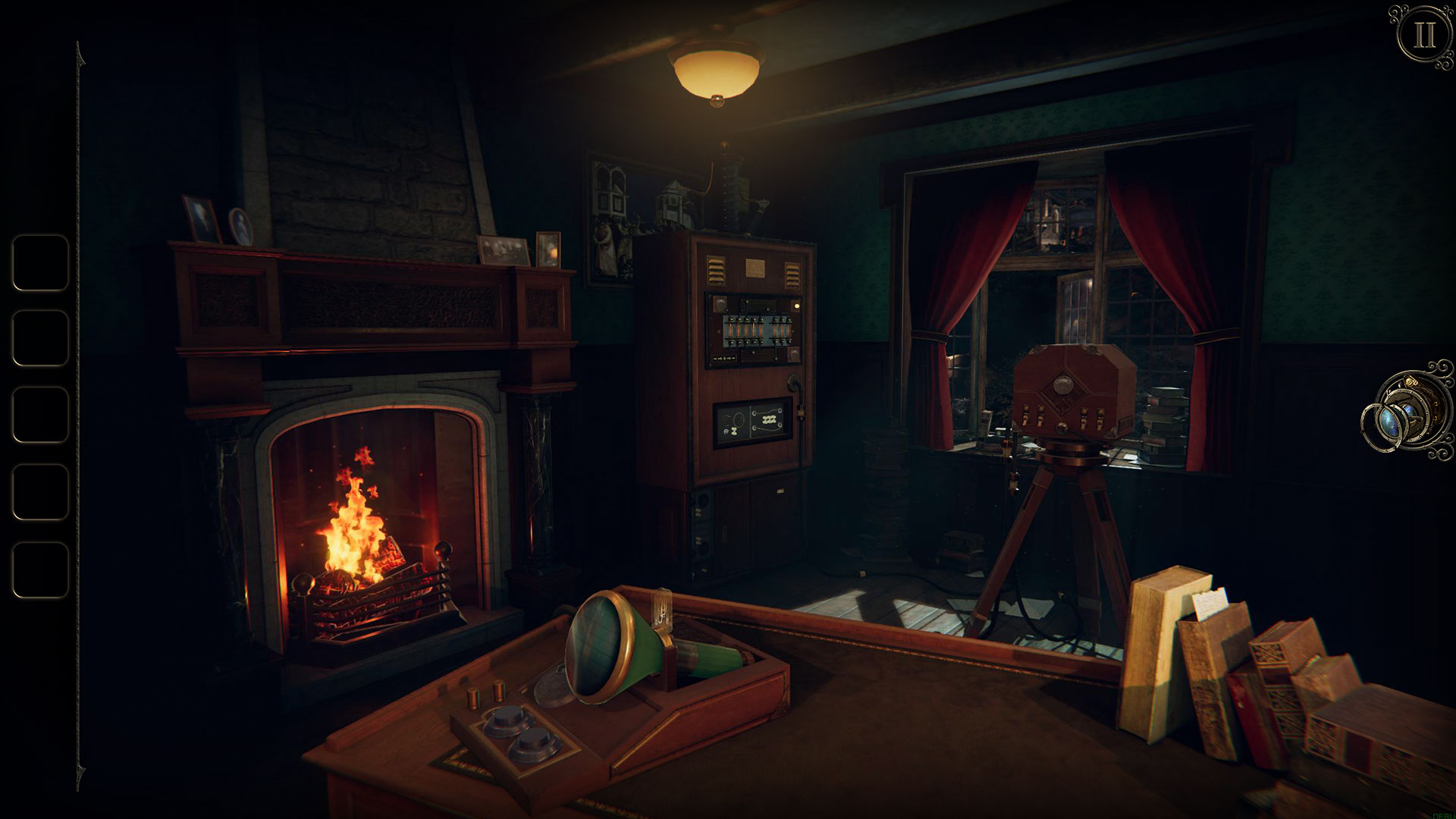
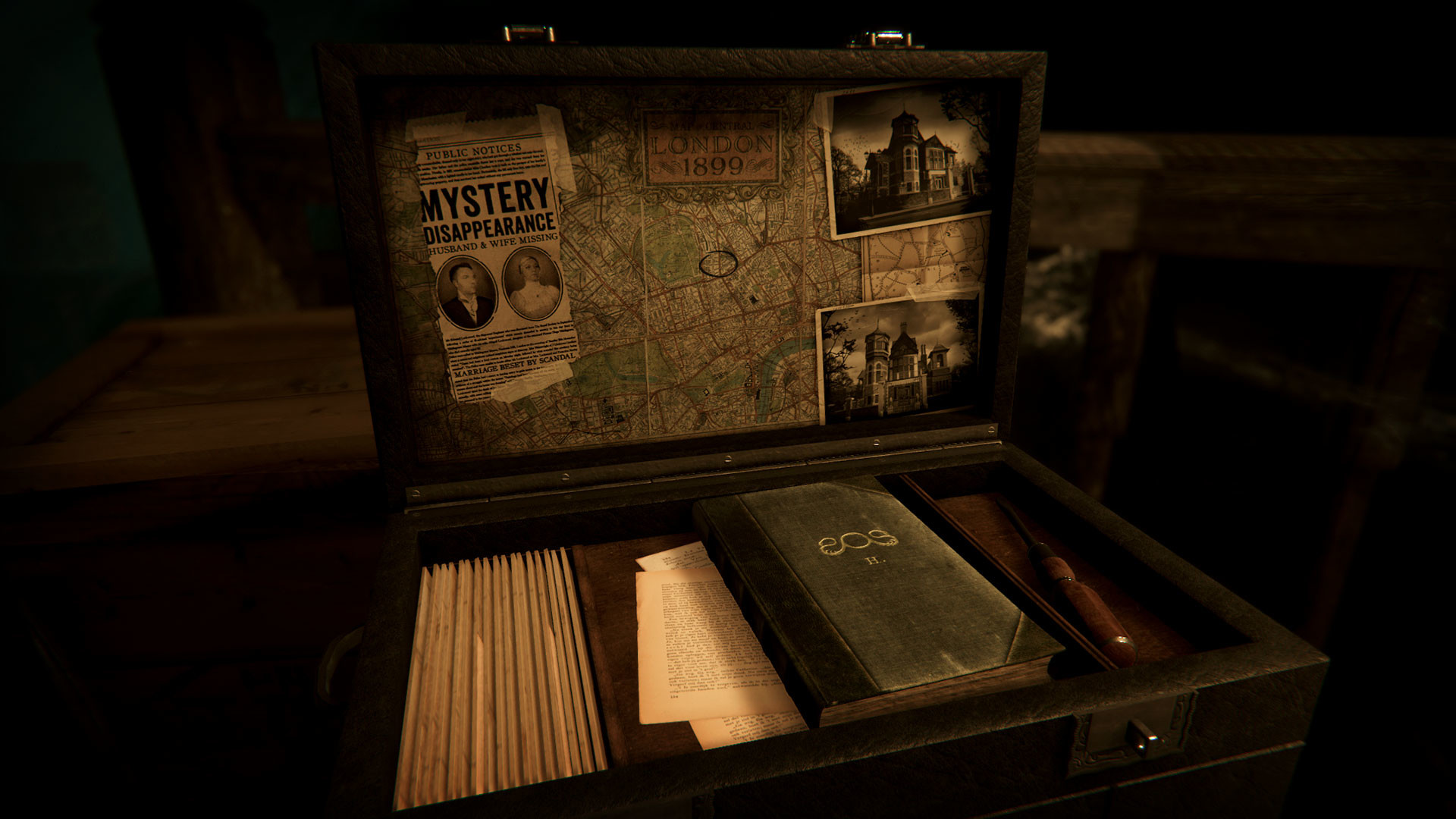
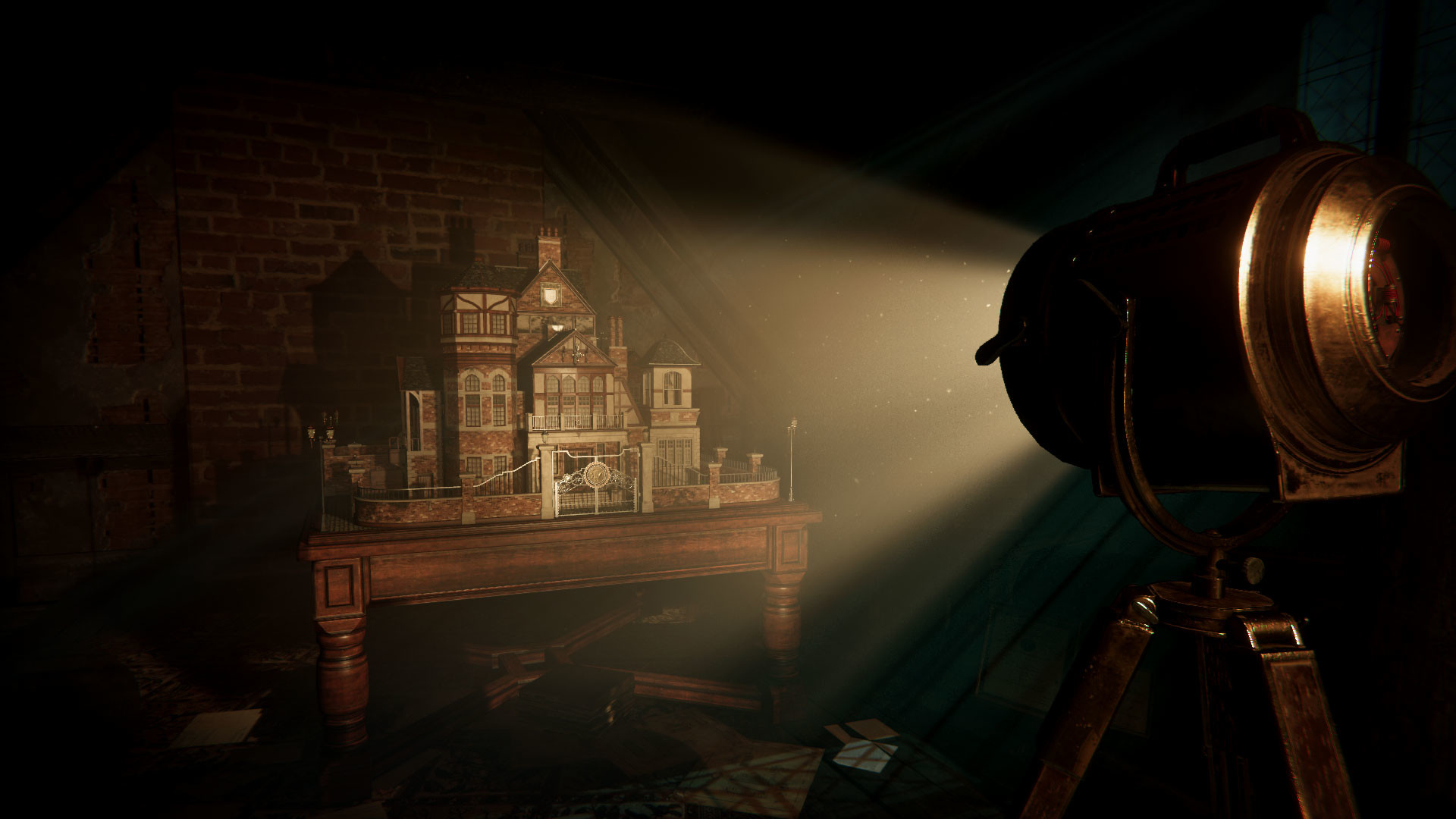
Old Sins swaps attics and islands for a single, multi-room Victorian dollhouse — a scale model of a mansion where a missing engineer and his wife once lived. Opening each room of the dollhouse unlocks the matching full-size room around you. It came to Steam on February 11, 2021, with Fireproof rebuilding the lighting and textures from the original mobile release for PC.
The Room VR: A Dark Matter
Fireproof's first VR entry moves the series into a fully explorable museum setting and, unlike the mobile-first games, was built for headsets from the ground up. It launched simultaneously on PC VR headsets and Meta Quest on March 26, 2020 (PS4 followed a day earlier, and a PS5 version arrived on July 27, 2023). Fireproof says it reached the number-one spot in over 60 countries at launch and has held the top player-rating spot on Quest for years afterward.
4. The Puzzle Mechanics That Tie the Series Together
However different the settings get, every game in the series runs on the same small toolkit, and understanding it is the fastest way to stop feeling stuck:
- The eyepiece. Tap or hold it over an object and it reveals markings invisible in normal light — UV ink, hidden gears, extra dials — and sometimes a ghostly "spirit" layer that hints at what to do next.
- Multi-layered objects. Nothing is ever just one puzzle. A safe conceals a smaller box, which conceals a key, which opens a drawer with another mechanism. Fully solving an object usually means circling back to it more than once.
- Environmental notes. Letters, diary pages and scraps of paper scattered around each scene aren't flavour text — they usually contain a cipher, a number sequence or a direct clue to the current mechanism.
- A built-in hint system. Every game includes a button that nudges you toward the next step without giving away the full solution, and a second tap usually shows it outright — there's no shame in using it, since the series is built to be unhurried rather than punishing.
5. Tips for New and Returning Players
- Rotate everything. The games are first-person and the camera can usually orbit a puzzle object fully — panels, latches and dials are frequently hidden on the back or underside of whatever you're examining.
- Use the eyepiece early and often. If a puzzle looks like it's missing a piece, that piece is almost always visible only through the eyepiece.
- Read every note twice. The series frequently encodes a solution — a sequence of symbols, a direction, a number — inside what looks like story flavour text.
- Play with headphones if you can. Mechanisms often click, hum or light up differently when you're on the right track, and the series' sound design is one of its most consistent strengths.
- Start from The Room if you're new. The games don't require playing in order, but the mechanics (and the mystery of the Null) build cleanly from the first game onward.
6. Where to Play The Room Series Today
All five games are available on iOS and Android, and all five are also on Steam for PC and Mac, where Fireproof notes they hold an "Overwhelmingly Positive" rating. The original four games are also sold together as a bundle on Steam, and The Room VR: A Dark Matter is available on every major VR headset, including PC VR, Meta Quest and PlayStation VR2.
If The Room's escape-room style of object-based puzzling is what you're after, it's worth also checking out our Escape Room: Grim of Legacy walkthrough, our guide to the opening chapters of Adventure Escape Mysteries: Canine Cases, or the Prison Escape Puzzle: Tekken – Lodge walkthrough for a more lock-and-key take on the same idea.
7. What's Next From Fireproof Games
Fireproof's most recent release isn't a Room game at all: Ghost Town, a new VR title that spent four years in development after A Dark Matter, launched on Meta Quest in April 2025 before coming to Steam and PlayStation VR2 later that year. The studio's official site says it has "an unannounced title" in the works, without further detail — so for now, the five Room games (plus the VR spin-off) remain the complete series.
Quick-Tips Recap
- Use the eyepiece constantly — most hidden mechanisms are invisible without it.
- Rotate every object fully; panels and latches hide on the back and underside.
- Read notes and letters closely — they often encode the actual solution.
- Lean on the built-in hint system rather than guessing at random; it's designed to be used.
- Play in release order (The Room → Two → Three → Old Sins → A Dark Matter) for the clearest version of the story.
Official Resources
- Fireproof Games — official website
- Fireproof Games — studio history and awards
- The Room on Steam
- The Room 4: Old Sins on Steam
For more guides like this one, browse the full walkthroughs and guides archive.