The Room Series Explained: Puzzle Mechanics, Hint System and Which Game to Play First
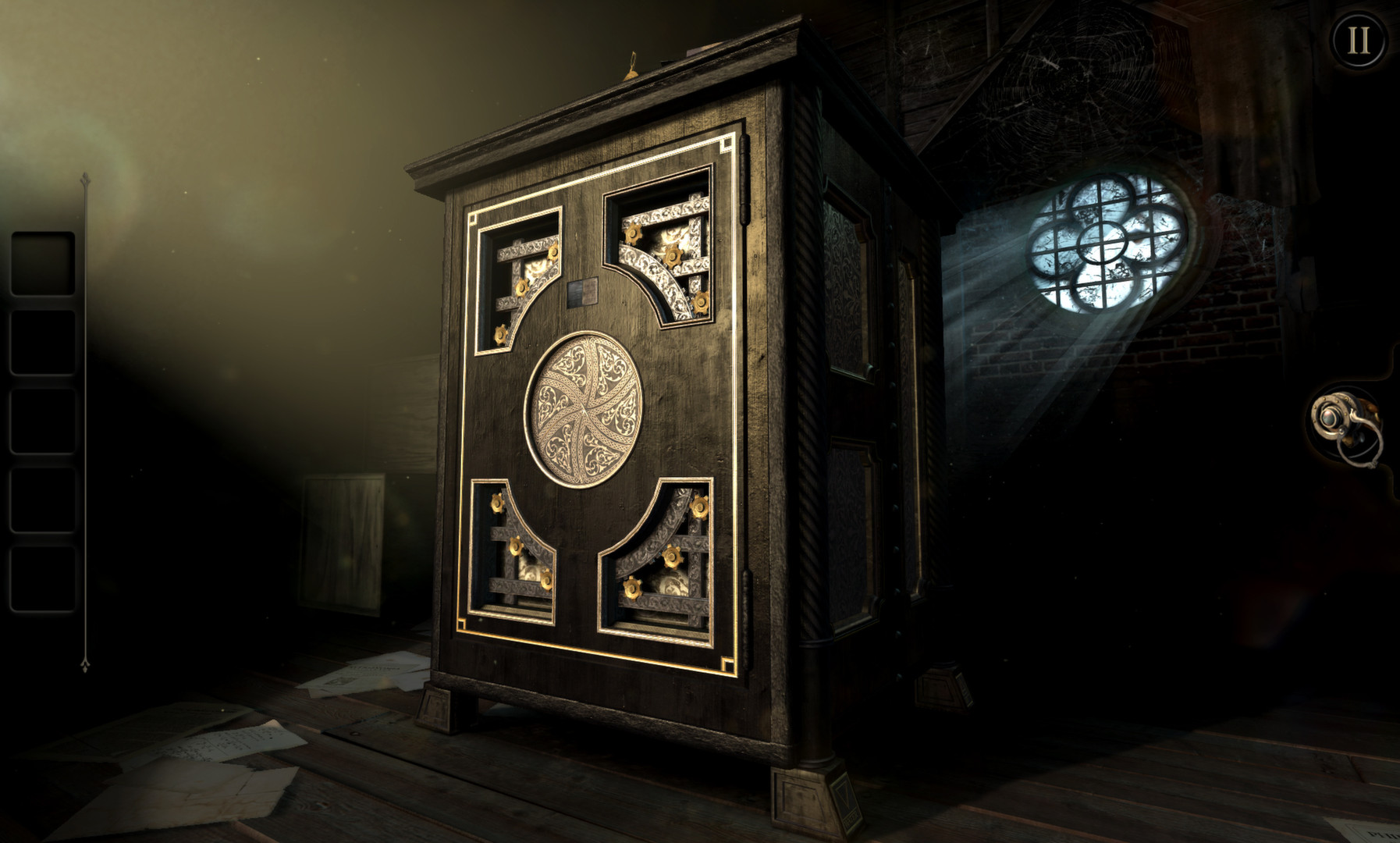
The Room is Fireproof Games' five-part puzzle-box series, built around a single mysterious object, a magnifying eyepiece, and a judgment-free hint system. Here's how the mechanics work, how the games differ from the original cabinet to the VR reimagining, and where to play each one today.
Before Monument Valley or Gorogoa made "artful mobile puzzle game" a recognizable genre, Fireproof Games' The Room had already proven a single object sitting on a single table could carry an entire game. Across five main entries and a decade of development, the series has stayed close to its original idea: a locked box, a mysterious letter, and a magnifying eyepiece that reveals a world of gears, dials, and hidden compartments hiding in plain sight.
This guide explains how the core mechanics and hint system actually work, maps out what changes from one game to the next, and lays out where you can play each entry today — whether you're starting fresh on a phone or picking up the VR spin-off.
1. What Is The Room Series?
The Room is a puzzle series developed by Fireproof Games, an independent studio based in Guildford, UK. The first game launched on iPad in September 2012 and won Apple's iPad Game of the Year award, later adding a BAFTA for Best British Game. That reception set the template for everything that followed: slow, tactile, single-object puzzle boxes wrapped in a restrained horror-mystery story about a vanished scientist and a substance called the Null.
There are now five main games — The Room, The Room Two, The Room Three, The Room: Old Sins (also sold as The Room 4), and the full VR reimagining The Room VR: A Dark Matter — plus ports to PC, consoles, and every major VR headset. All five were made by the same core team, which is part of why the controls and puzzle logic stay consistent even as the settings change completely.
2. The Core Mechanic: One Box, Dozens of Hidden Mechanisms
Every game in the series works the same basic way. You're given a single central object — a cabinet, a safe, a ship in a bottle — and you rotate, zoom, and tap on it to find hidden catches, dials, and sliding panels. Three tools do almost all the work:
- The eyepiece — a lens that, when held over certain surfaces, reveals ultraviolet markings, hidden switches, or ghostly symbols invisible to the naked eye.
- Combination dials and sliders — mechanical locks that take clues gathered elsewhere on the object (a number scratched into wood, a symbol on a hidden panel) as their solution.
- Collapsing/expanding geometry — objects that fold open, split in half, or reveal an entirely new object nested inside once a stage is solved.
What makes this loop work is pacing: nothing is timed, there's no fail state, and the camera never leaves the object. The "aha" moment of spotting a seam you'd walked past five times is the entire design goal.
3. The Hint System: How to Get Unstuck Without a Walkthrough
Every game has a built-in hint icon, usually an eye symbol in a corner of the screen, that pulses gently when you've been stuck for a while. Tapping it once gives a vague nudge ("look closer at the desk"); holding it down escalates to a precise instruction. There's no penalty, score loss, or lockout for using it as much as you like — Fireproof built the series explicitly so new players never need an external walkthrough to finish a game, though it also means you can brute-force past a tough stage if a genuine solution isn't clicking.
4. Five Games, Five Settings: A Quick Map of the Series
The Room (2012)
A single cabinet and a handful of connected boxes, framed around letters from a missing scientist named A.S. It's the shortest entry and the best starting point if you've never played one of these before.
The Room Two (2013)
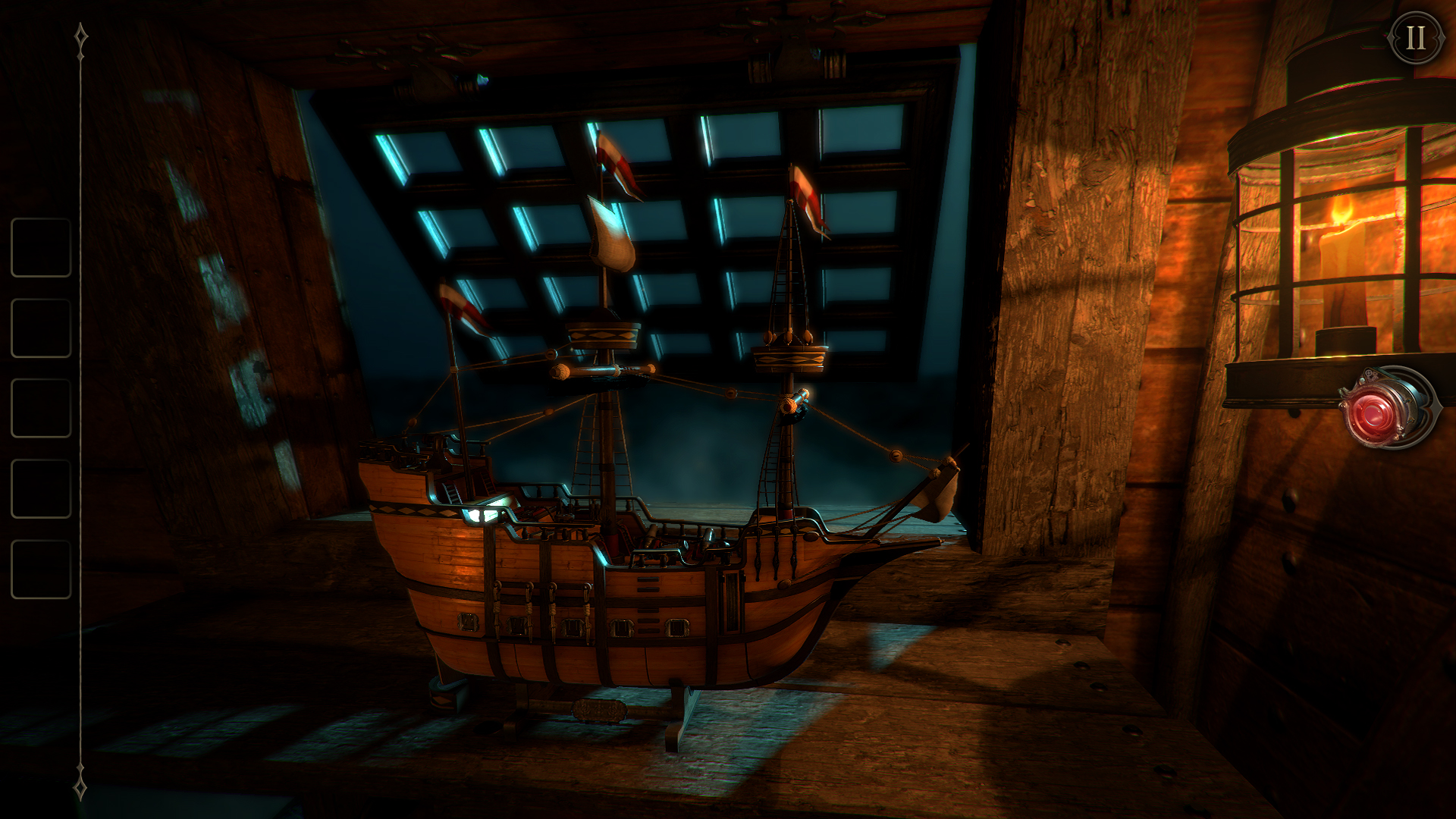
Expands from one object to multiple rooms, each built around its own puzzle box — including a detailed model ship that folds apart into an entirely different mechanism.
The Room Three (2015)
The biggest structural change in the series: you're lured to a remote island by a figure called the Craftsman and explore a hub of connected rooms rather than one linear sequence of boxes, with several endings depending on choices late in the game.
The Room: Old Sins / The Room 4 (2018)
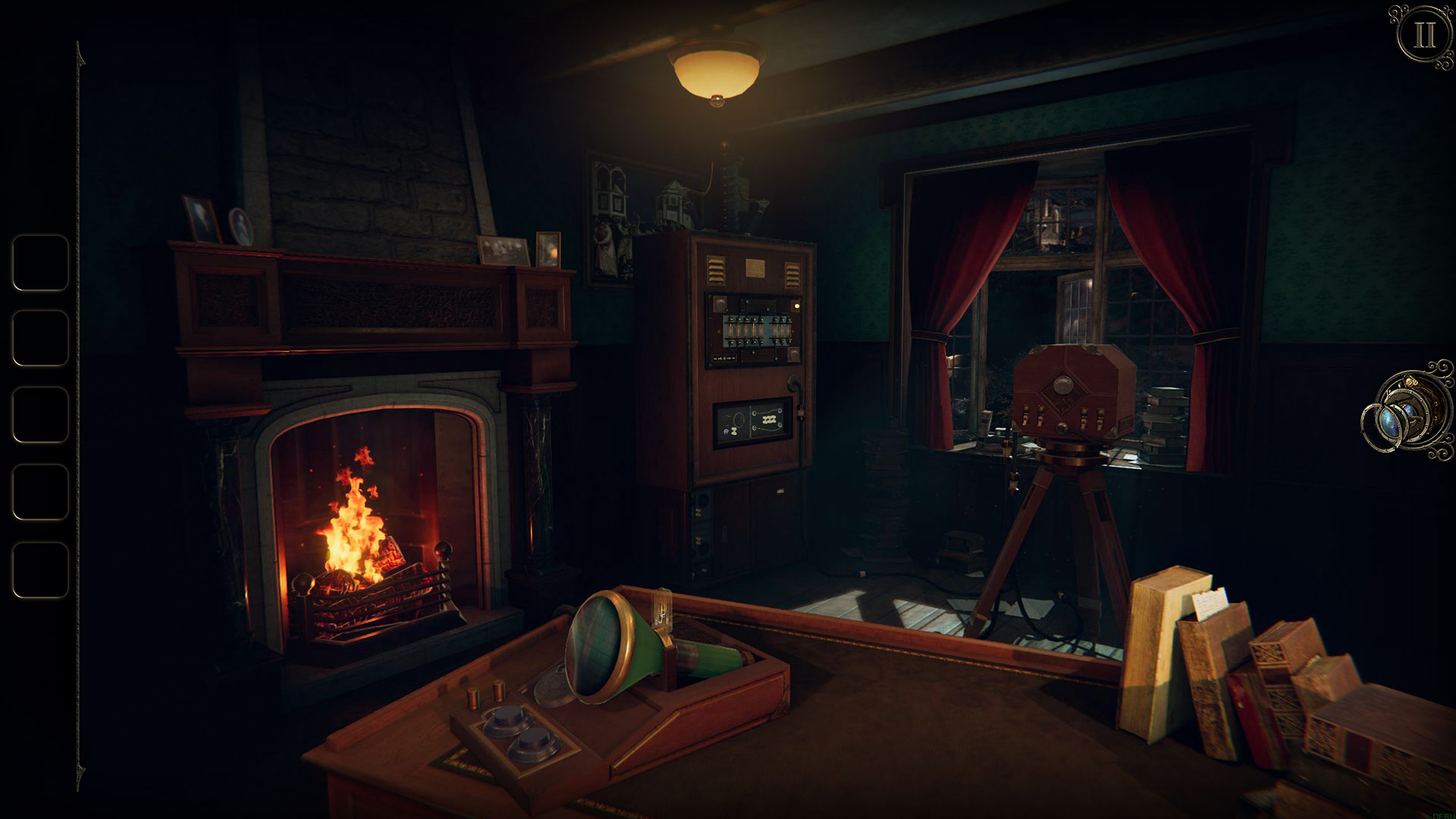
Set apart from the core trilogy's story, Old Sins has you investigate an elaborate dollhouse mansion tied to a Victorian-era disappearance, with the dollhouse itself acting as a map into the game's full-sized puzzle rooms.
5. The Room VR: A Dark Matter — The Same Puzzles, A New Body
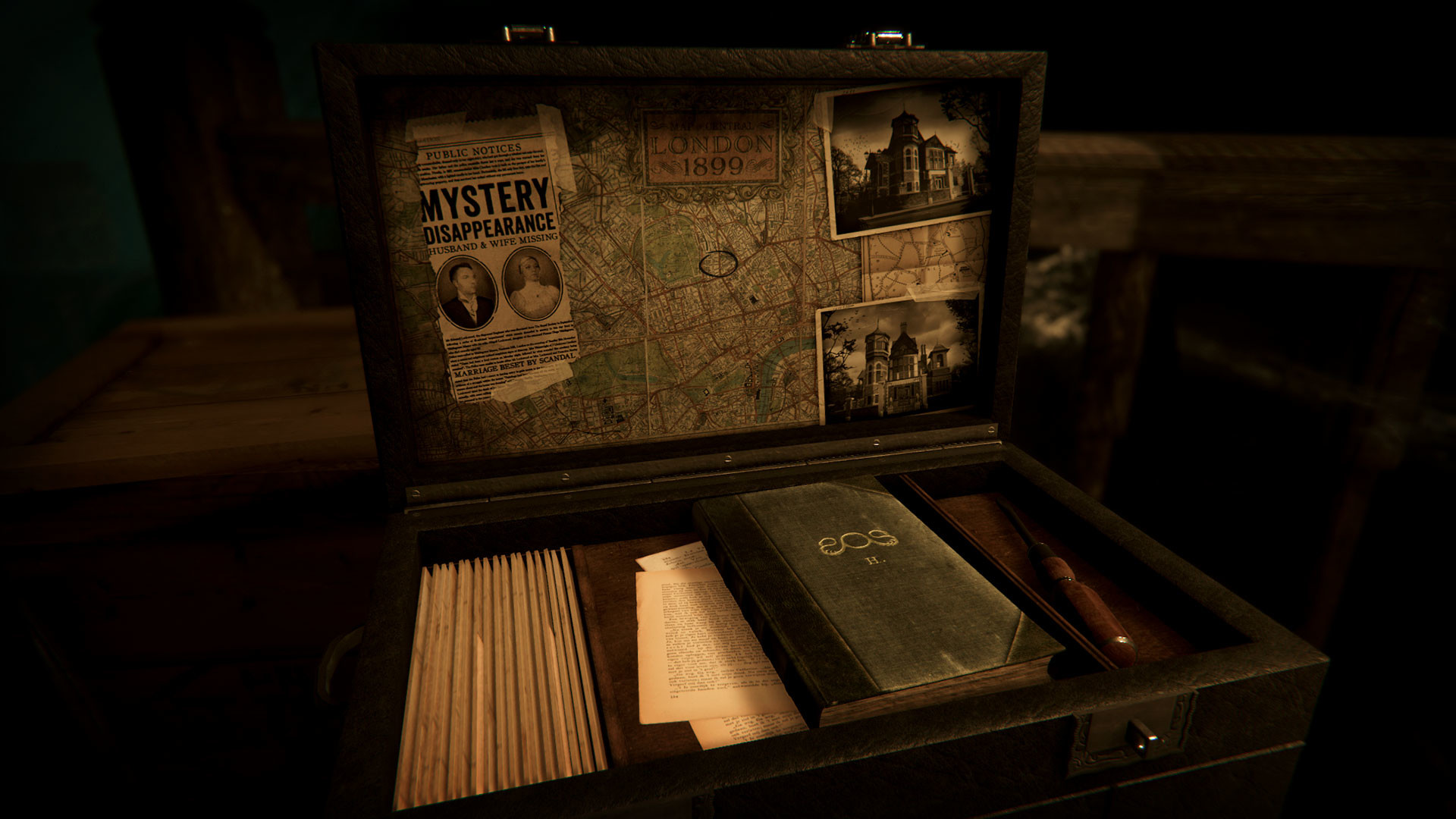
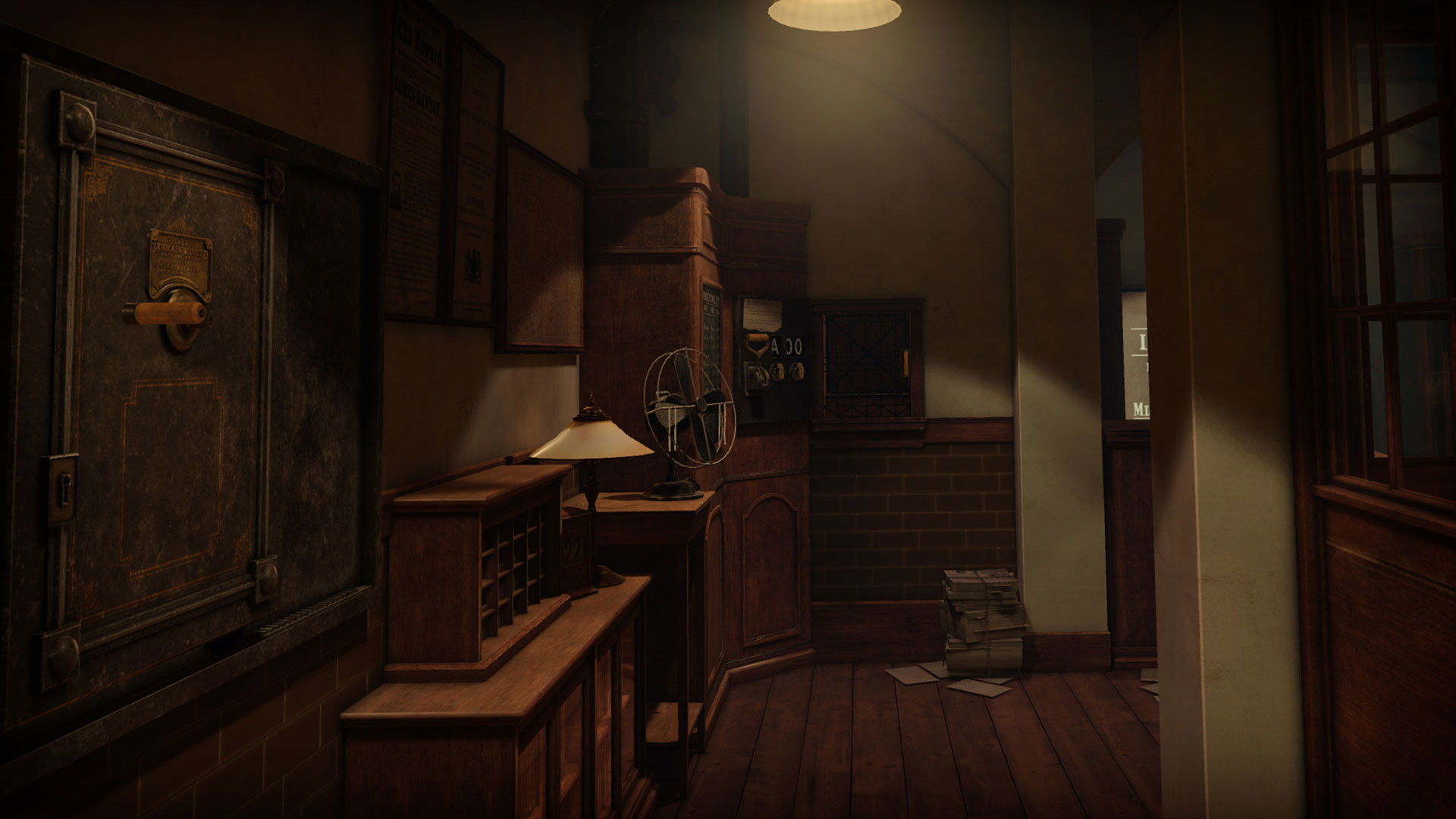
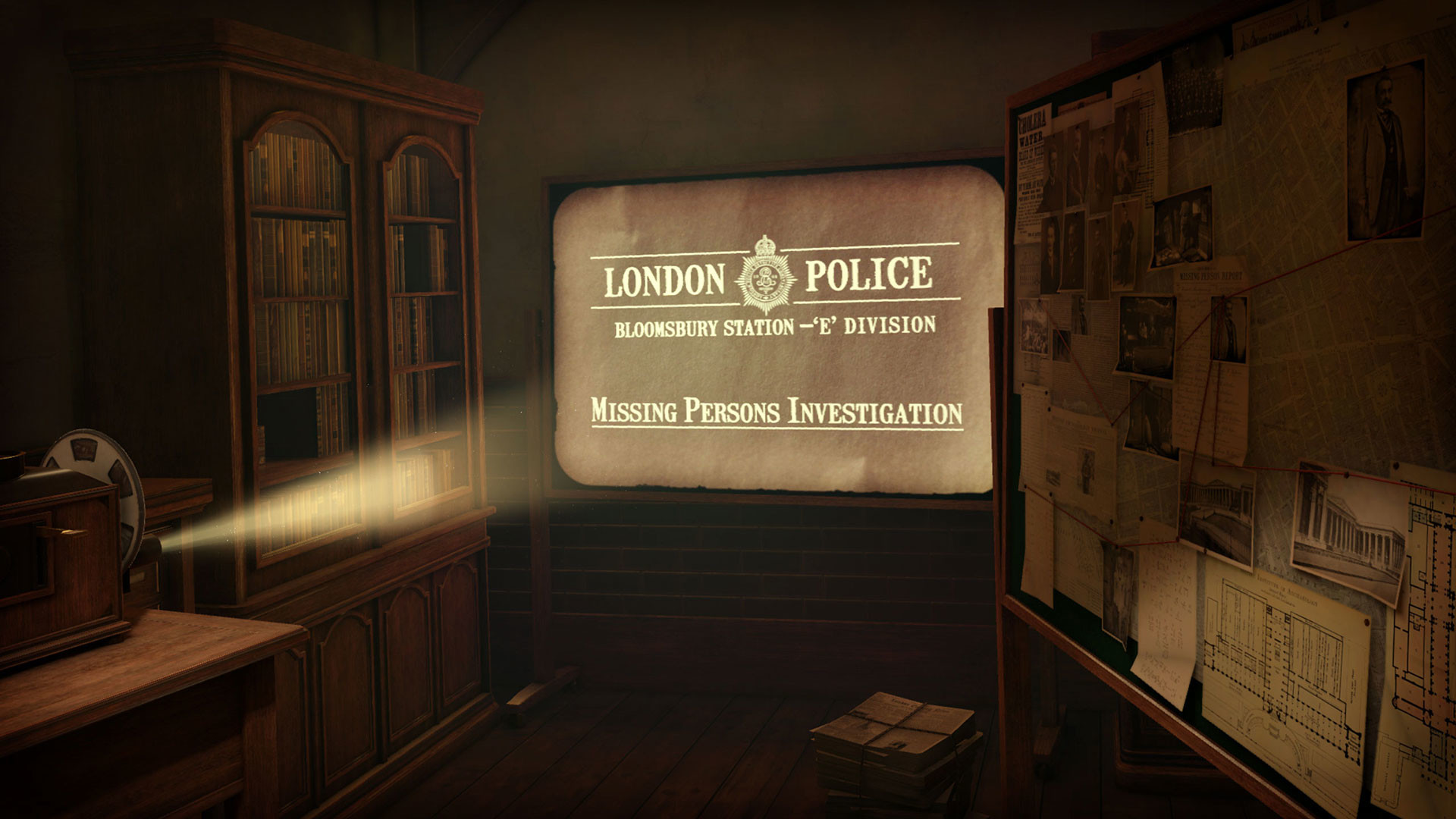
Released in 2020, The Room VR: A Dark Matter isn't a remake of an existing entry but a new story built for headsets, following a detective investigating a disappearance at London's Bloomsbury police station. It keeps the eyepiece-and-dial puzzle logic intact but lets VR do what touchscreens couldn't: you physically turn your head to spot a hidden latch, or drag a small metal marker through a tiny maze groove with your own hand instead of a finger swipe.
6. Where to Play Each Game Today
The series is spread across more storefronts than most puzzle franchises bother with:
- Mobile (iOS/Android): all five mainline games, where they originated, through the App Store and Google Play.
- PC (Steam): enhanced HD versions of all five, including The Room, The Room Two, The Room Three, and The Room 4: Old Sins.
- Consoles: The Room: Old Sins is the only entry currently available on Nintendo Switch.
- VR headsets: The Room VR: A Dark Matter is available on SteamVR, Meta Quest, and PSVR2.
If you've already worked through the series' tabletop puzzle boxes and want something in a similar vein with a different structure, our breakdown of Gorogoa's panel-sliding puzzles and hidden story is a good next stop, and if you'd rather stick with room-based escapes in a more traditional point-and-click format, we also have a level-by-level walkthrough for Escape Room: Grim of Legacy.
7. Quick Tips for First-Time Players
- Rotate the object fully before assuming a stage is solved — most puzzle boxes have active faces on more than one side.
- Sweep the eyepiece over every surface once per stage, not just the obvious ones; hidden markings often sit on backs, undersides, or inside drawers.
- Use the hint icon the moment you're circling the same spot with no new ideas — the first tap rarely spoils anything, it just points you back to the right area.
- Start with the original The Room if you're new to the series; its shorter length makes the core mechanics click fast before the later games get more elaborate.
- Headphones help more than you'd expect — several mechanisms are cued by sound (a click, a whir, a faint ticking) as much as by sight.
The appeal of this series has never been about speed or score — it's the slow process of turning an ordinary-looking object over in your hands until it stops making sense as furniture and starts making sense as a puzzle. That's as true of the original 2012 cabinet as it is of the VR safe eight years later. For more mobile puzzle and point-and-click breakdowns like the Adventure Escape Mysteries series, browse the full archive of walkthroughs and guides.