The Room Series Explained: A Complete Guide to Fireproof Games' Puzzle-Box Escape Rooms
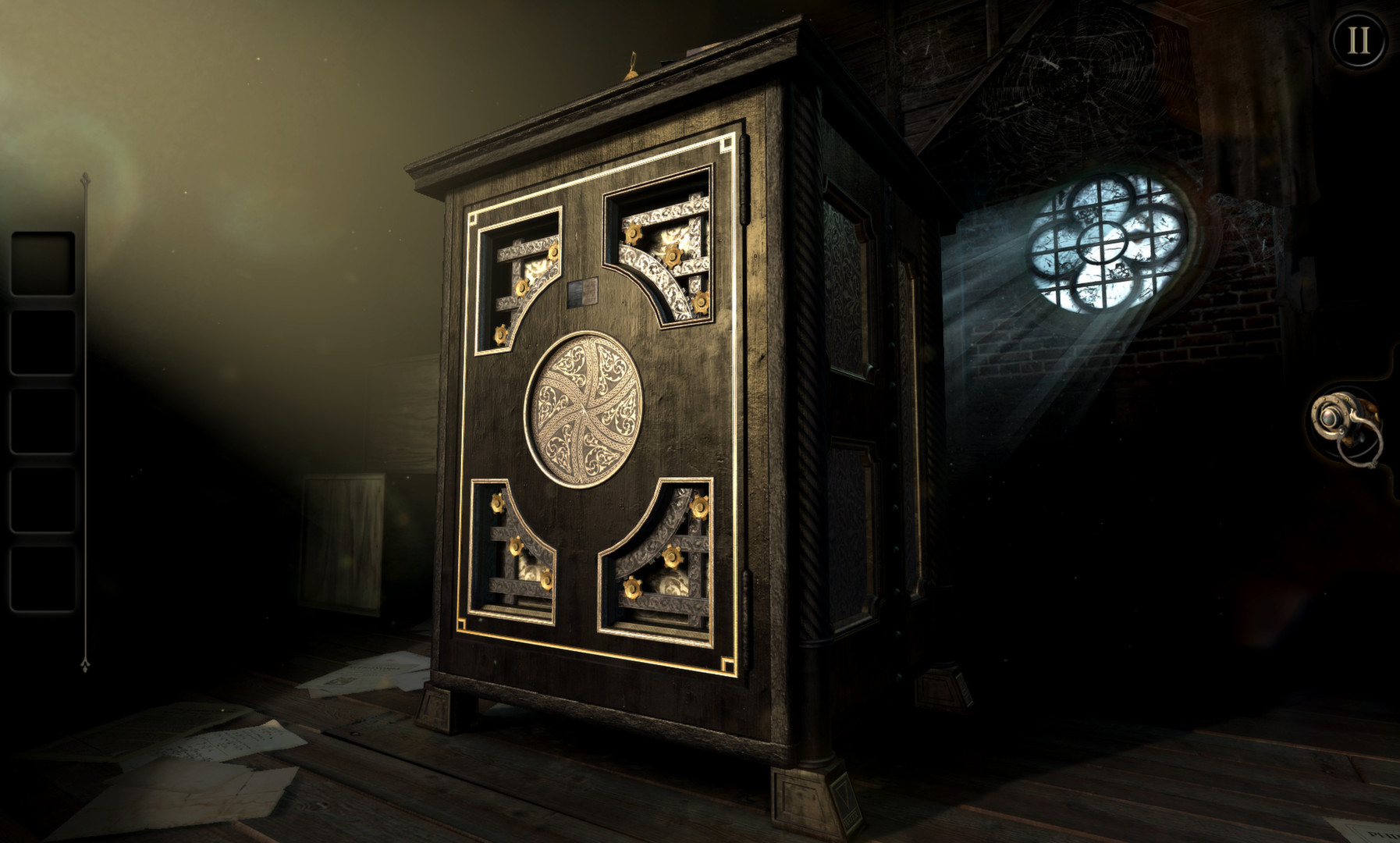
Fireproof Games' The Room series turns a single ornate object — a safe, a crypt pedestal, a dollhouse — into an entire puzzle. Here's how all four mainline games (The Room, Two, Three and Old Sins) fit together, how the series' core mechanics work, and tips for solving its nested puzzle boxes.
There is no boss fight in The Room. There is no inventory screen, no dialogue tree, and usually no more than a single piece of furniture in front of you. Yet Fireproof Games' puzzle-box series has sold more than 18 million copies, won a BAFTA, and spawned three full sequels because it does one thing better than almost any other mobile or PC puzzler: it makes a single object feel like an entire world. If you are new to the series, stuck on one of its brass-and-ivory contraptions, or just want to know which entry to start with, here is how the whole saga fits together and how its puzzles actually work.
1. Why The Room Still Defines the Escape-Room Genre
Fireproof Games is a small independent studio based in Guildford, UK. It self-published the original The Room on iPad in September 2012, and the game went on to win Apple's iPad Game of the Year and a BAFTA Games Award. Every mainline entry since has followed the same formula described in Fireproof's own release notes: "bizarre contraptions and alchemical machinery," puzzles built around a trail of cryptic letters, and environments that the studio rebuilds, re-textures and re-lights for every platform release. There is no combat, no fail state, and no timer — just one ornate object at a time, and the patience to turn every dial on it.
2. The Core Mechanic: One Object, Infinite Secrets
Every game in the series is built around the same loop. You are given one large, intricately carved object — a safe, a stone pedestal, a writing desk, a dollhouse — and you solve it by rotating, sliding, and clicking its panels until a hidden compartment opens, which usually contains a smaller puzzle nested inside it. Fireproof calls this "tactile puzzle-solving" in its own store descriptions, and the phrase is accurate: there is rarely any abstract logic puzzle bolted on top. Instead, the solution is almost always physically hidden somewhere on the object itself — behind a panel, under a dial, or disguised as decoration.
The series is also famous for its in-fiction magnifying lens, which players use to reveal symbols and mechanisms invisible to the naked eye. Combined with gyroscope or mouse-drag rotation, it turns a static prop into something you genuinely have to search from every angle, which is why the games translate so well between touchscreens, PC and consoles.
3. The Room (2012): The Alchemical Safe That Started It All
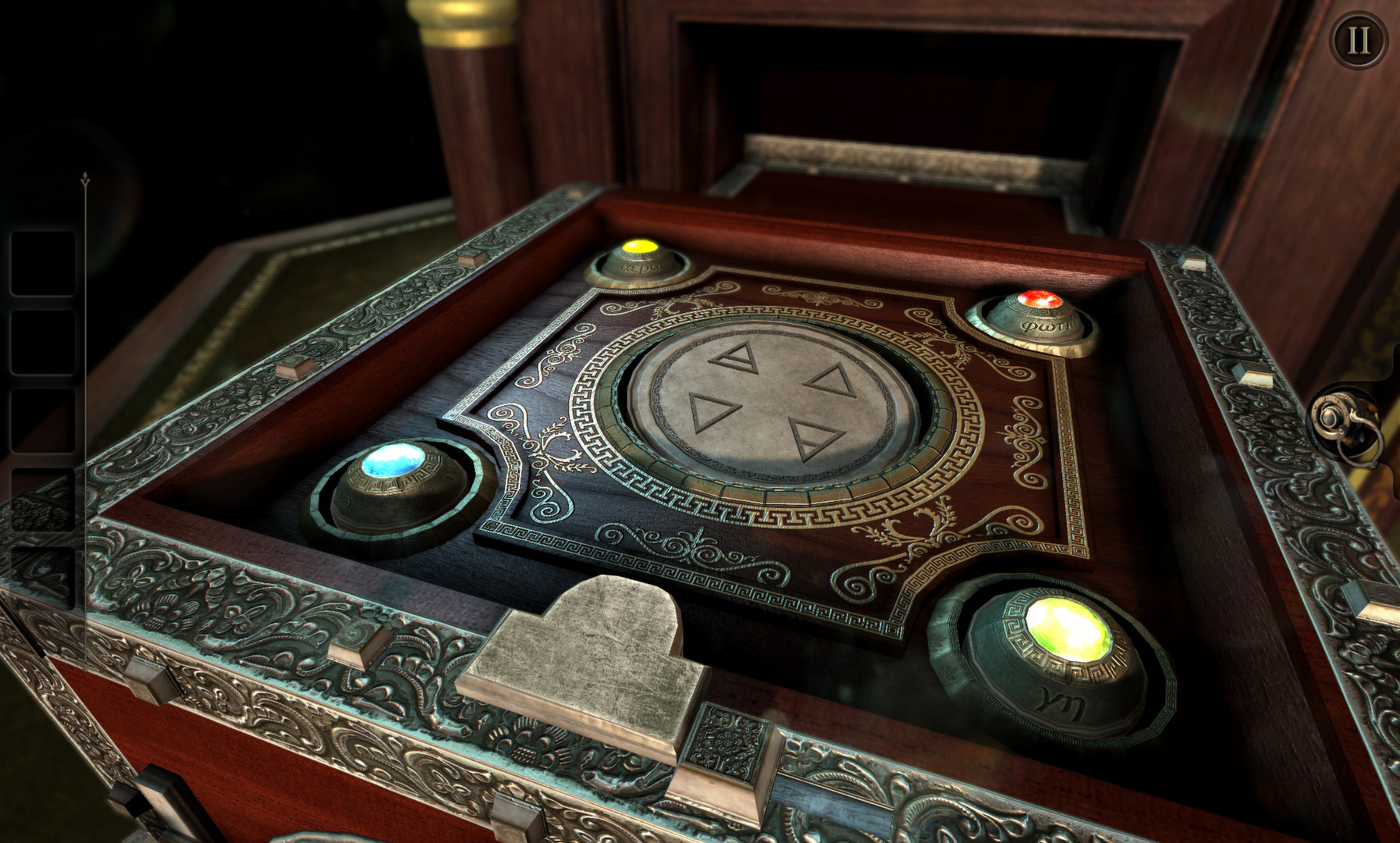
The original The Room opens with a mysterious invitation that leads to the attic of an abandoned house, where a cast-iron safe laced with strange carvings sits beneath a note from an unseen "distant companion." The PC release, which Fireproof brought to Steam on July 28, 2014, is a fully enhanced HD version of the 2012 iPad original and folds in the "Epilogue" DLC, adding roughly 20% more content than the base release. The whole game is themed around alchemy — the safe's compartments reveal brass astrolabes, vials, and lenses rather than keys or combination locks.
4. The Room Two (2016 on PC): Letters From "AS"
The Room Two expands the format from a single object to a sequence of rooms, each built around its own puzzle box, with the story told through a trail of cryptic letters from an enigmatic scientist identified only as "AS." Fireproof's own Steam notes describe the game as "significantly expanding" the original's puzzle gameplay, trading the first game's single attic for a tour of locations that includes a crypt behind a locked stone pedestal. The PC edition, released July 5, 2016, was rebuilt with more detailed environments than the mobile original.
5. The Room Three (2018 on PC): The Craftsman's Island
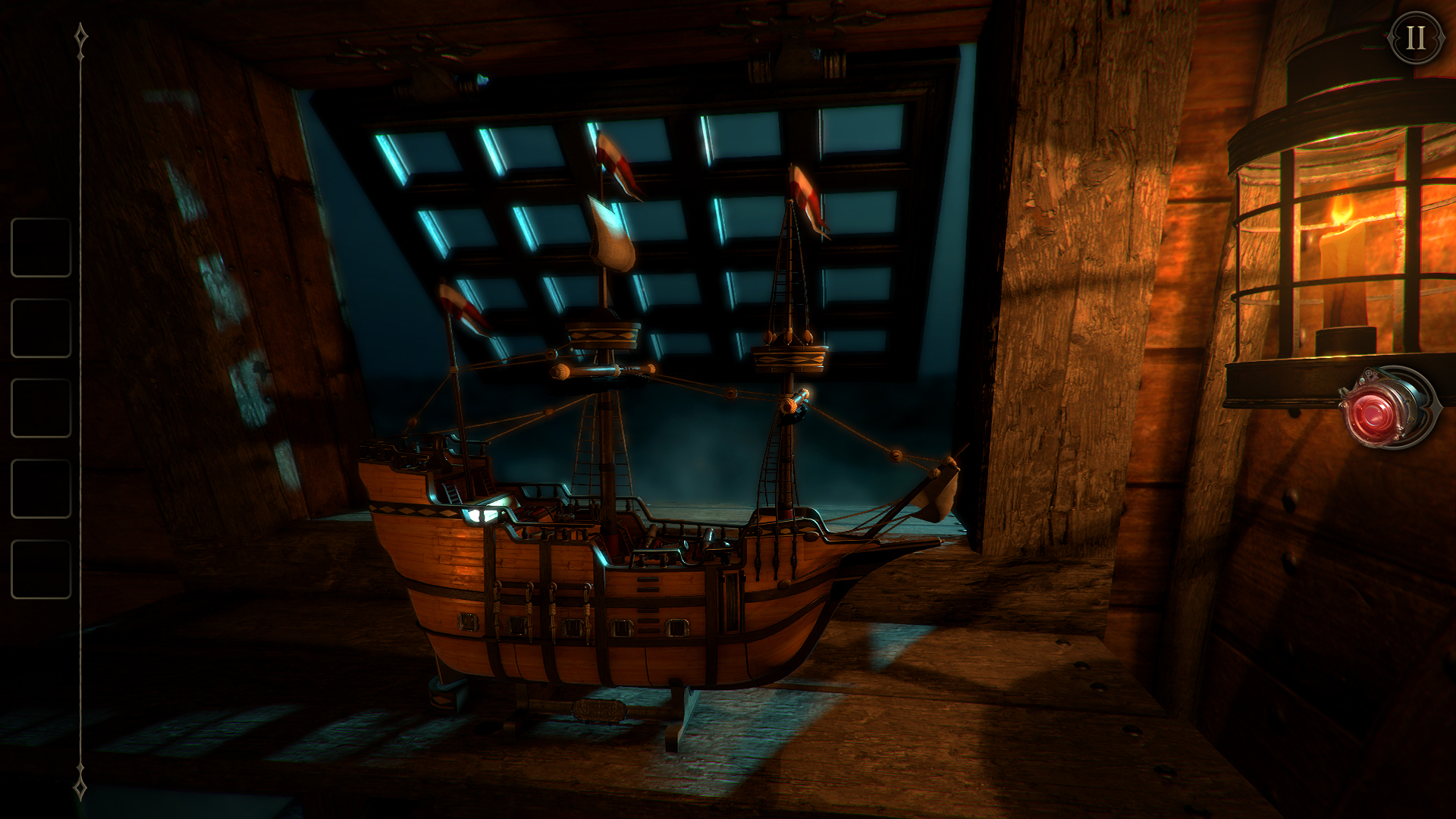
The Room Three is the series' biggest structural departure: instead of one linear chain of objects, you are lured to a remote island and explore a hub of connected locations and multiple endings, all built around trials devised by a mysterious figure known only as "The Craftsman." Fireproof's PC port, released November 13, 2018, once again rebuilt every environment's textures and lighting from the mobile version, and it remains the only mainline entry with a branching final act.
6. The Room: Old Sins — Waldegrave Manor's Dollhouse
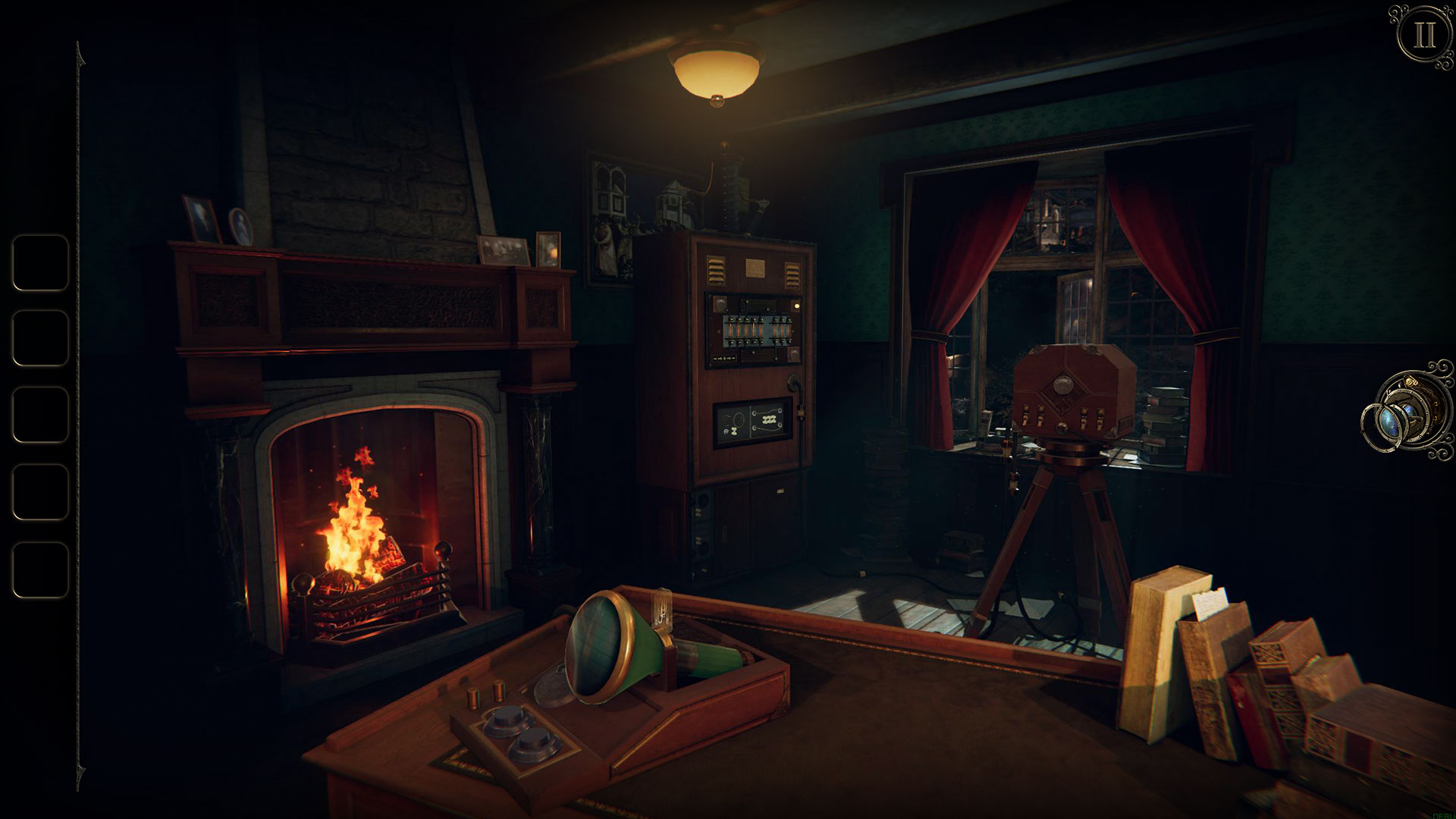
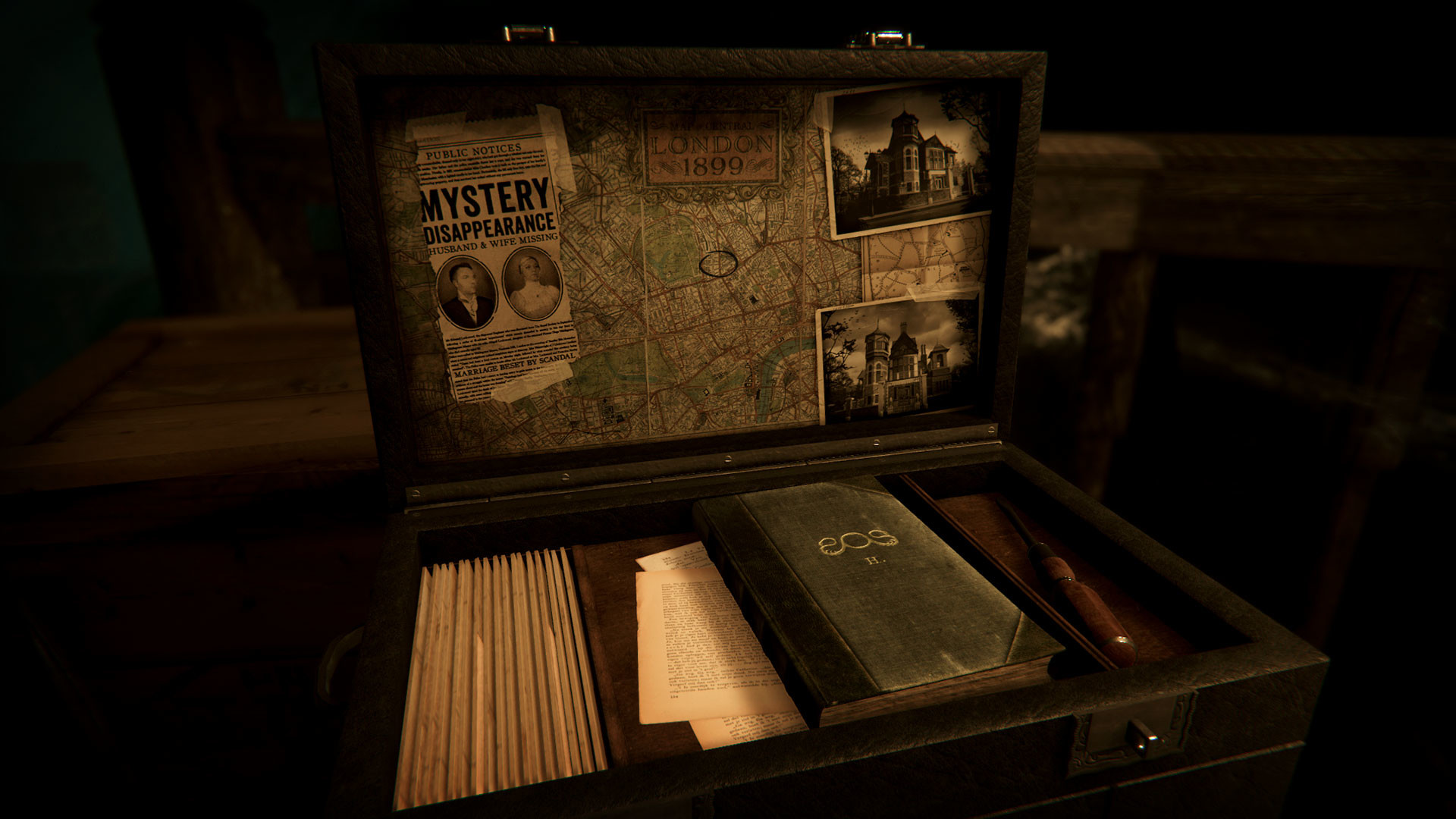
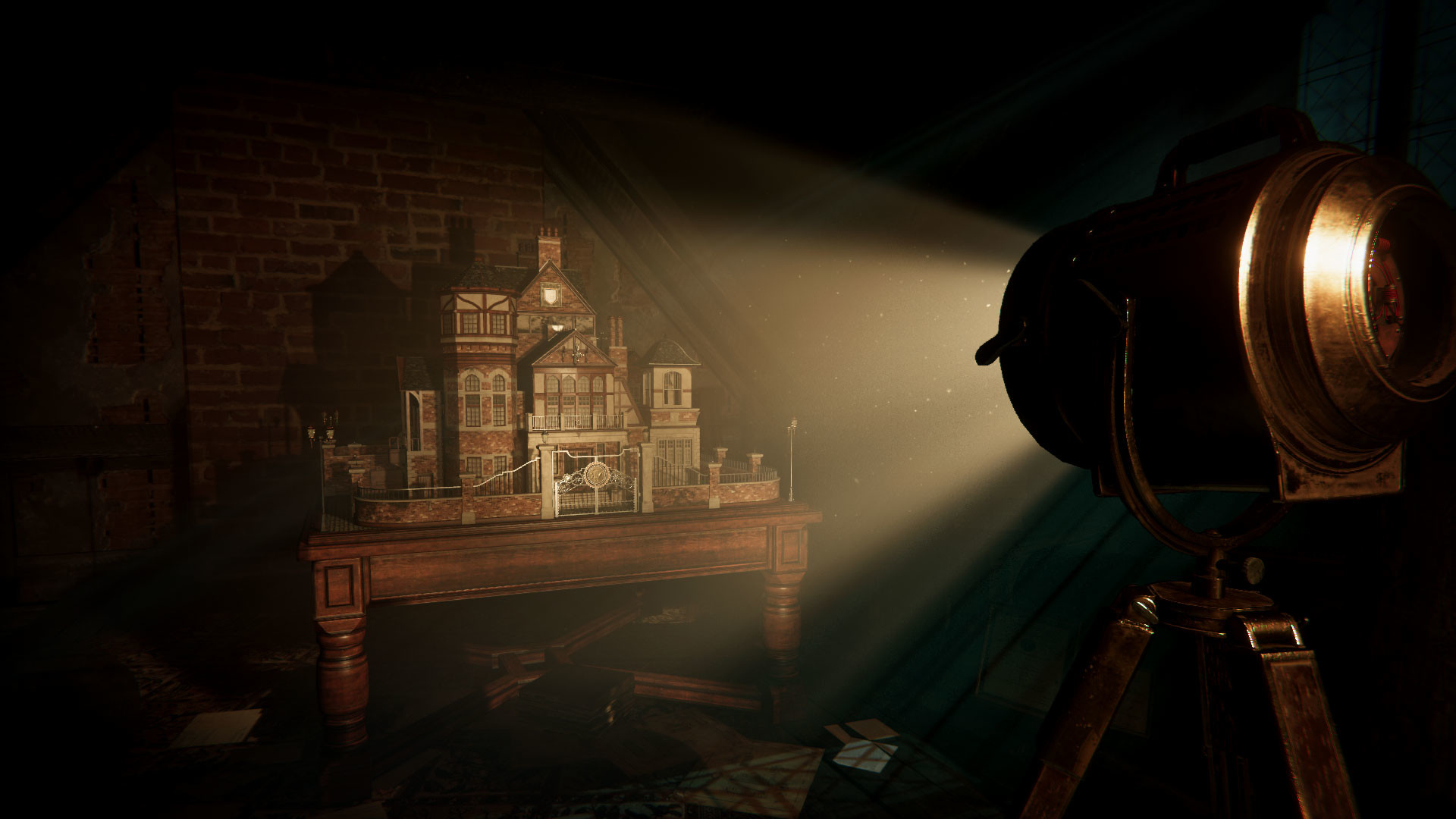
Released on Steam as The Room 4: Old Sins on February 11, 2021, this entry centers on the sudden disappearance of an ambitious engineer and his high-society wife, which sends the player hunting for a precious artefact. The trail leads to the attic of Waldegrave Manor and the discovery of a strange, multi-room dollhouse that players explore at two scales simultaneously: manipulating the dollhouse's exterior, then shrinking the view to solve the miniature rooms inside it room by room.
7. Tips for Solving Fireproof's Puzzle Boxes
- Rotate before you panic. Every object can be turned in full 3D, and the next step is very often hidden on a side or underside you haven't looked at yet.
- Use the lens on everything. If a surface looks plain, the series' signature magnifying tool will usually reveal a symbol, a seam, or a mechanism painted over it.
- Small details are never decorative. A gemstone's color, an engraved symbol's orientation, or a shadow's shape is almost always a clue for a dial elsewhere on the same object.
- Nested compartments reset your search. Once a panel opens, treat whatever is inside it as a brand-new object with its own hidden seams — don't assume you've solved the whole piece.
- Letters and notes matter. The "AS" letters in The Room Two and the newspaper clippings in Old Sins aren't just flavor text; they often name the next object or location you need to find.
8. Where to Play the Series Today
All four mainline games are available on Steam, where Fireproof Games ports each one as a visually upgraded HD release of the original mobile version, and the full series is also available on iOS and Android, where it debuted. The Room and The Room Two have also been released for Nintendo Switch. If you've played through the original safe and want more of the same tactile, lock-picking style of design, The Room Three's island hub and Old Sins' dollhouse are the two biggest structural changes to look for, while The Room Two stays closest to the first game's single-object focus.
Quick recap: start with the original The Room for the purest version of the formula, move to The Room Two for the same mechanics in a longer story, then choose The Room Three if you want a larger explorable hub or The Room: Old Sins if you want its two-scale dollhouse puzzles. None of the four require you to have played the others first, since each game is a self-contained mystery built around its own central object.
Official Resources:
Looking for more brain-teasers in the same vein? Our guide to Monument Valley 3's story and puzzles covers another geometry-bending puzzler, our Adventure Escape Mysteries: Puzzle Lovers walkthrough digs into a similarly clue-driven mobile series, and if you want something bite-sized, our 50 Tiny Room Escape walkthrough covers a lighter take on the same genre. For horror fans, the darker Escape Room: Grim of Legacy walkthrough is worth a look too. You can browse every guide we've published in the full walkthrough archive.