Minecraft Ice Caves Guide: Frostbite, Freezing and Brittle Ice Explained
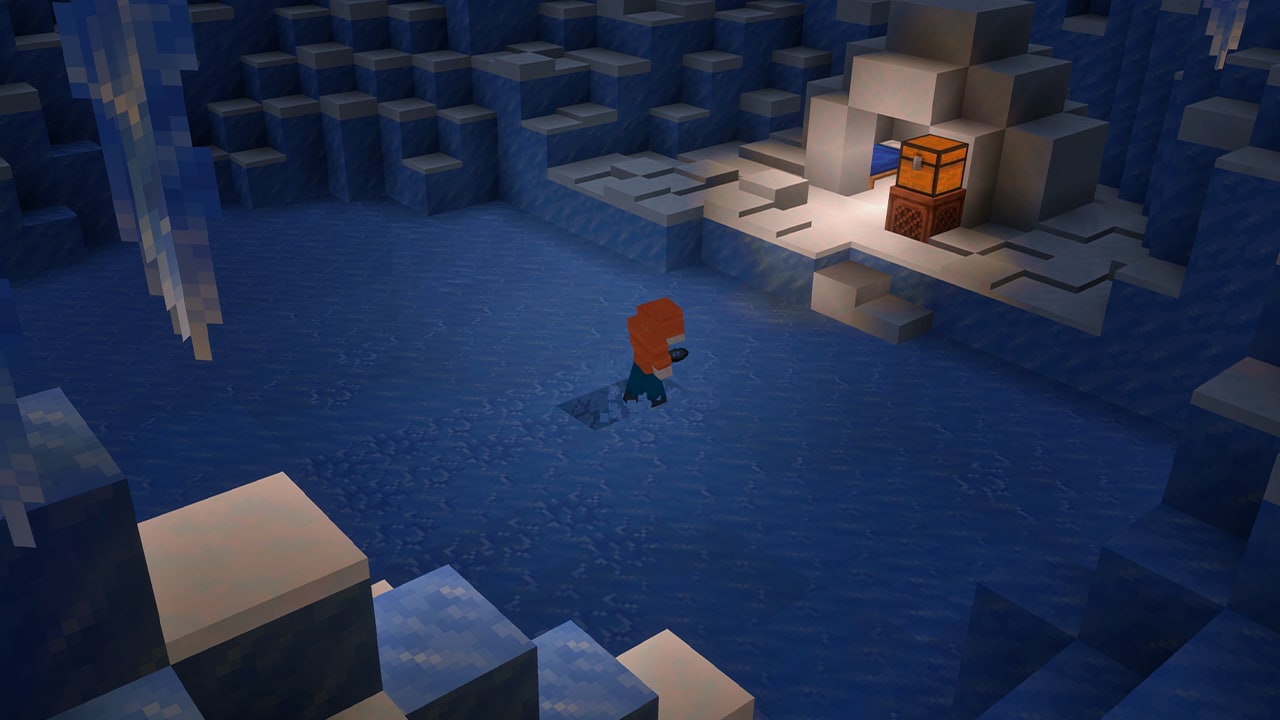
Minecraft's Winter Drop is already playable in Java snapshots and Bedrock previews, and it centers on a brand-new Ice Cave biome. Here's how the Frostbite mob, the Freezing effect, Brittle Ice, crevasses and jukebox playlists all work right now.
Minecraft's next game drop is already playable before it's finished. Mojang has been rolling out the upcoming Winter Drop (officially "Drop 4 of 2026") in stages through Java snapshots and Bedrock previews and betas since September 30, and the headline addition is a brand-new underground biome: the Ice Cave. It comes with its own hostile mob, a nasty new status effect, and a handful of blocks that can just as easily help you as hurt you.
Everything below is still experimental. Mojang labels these as Preview, Beta and Snapshot features, which means numbers, drop rates and even entire mechanics can change before the finished update ships. Here's exactly what's in the test builds right now, and how each piece works.
1. What Is the Ice Cave Biome and Where to Find It
The Ice Cave is a new cave biome that generates underground beneath the Overworld's colder biomes, according to Mojang's official preview notes. Its terrain is built mainly from Packed Ice and Calcite rather than the stone and deepslate you'd expect elsewhere, and a few familiar cave features are deliberately left out: Dirt and Granite don't generate here, and neither does Glow Lichen.
That last detail matters more than it sounds. With no Glow Lichen to light the place up, Ice Crystals become the only natural light source inside an Ice Cave.

Ores still generate here too, embedded in the pockets of Stone and Deepslate that break up the ice, so an Ice Cave is worth a proper look rather than a quick dash through.
2. Meet the Frostbite: Minecraft's New Frozen Zombie
Ice Caves bring a new hostile mob along with the scenery. The Frostbite is a Zombie variant built for the cold: it spawns in cold and icy biomes, including inside Ice Caves alongside the Strays that already lived there, and it fights differently depending on how close you are.
At range, a Frostbite throws Ice Balls. Get too close, and it switches to melee attacks that inflict the new Freezing effect directly. According to Mojang, it uses dedicated throwing animations for both the adult and baby variants, on top of the usual Zombie-style melee animation.

A few quirks are worth knowing before you go hunting one. A Frostbite transforms back into a regular Zombie if it stays underwater long enough, it can stand on Powder Snow without sinking, and it's immune to the Freezing effect itself, so dousing it with its own medicine won't work. On the flip side, regular Zombies and Husks will transform into Frostbites if they spend time standing in Powder Snow, which gives you a way to "manufacture" one if you're curious to see it fight. Killed Frostbites drop Rotten Flesh and Ice Balls.
3. How the Freezing Effect Works (and How to Cure It)
Freezing is the new status effect tied to all of this, and it's more of a slow burn than an instant threat. Mojang's preview notes describe it as causing affected players to shake and lose jump height, with damage only kicking in the longer it's left untreated — the effect works similarly to standing in Powder Snow, gradually freezing the player for its duration.
Leather Armor offers a partial fix. It stops you from fully freezing in the same way it already does against Powder Snow, but it won't stop the Freezing effect from being applied in the first place, and it won't remove the effect once you have it. If a mob is vulnerable to freezing, the effect hits five times as hard while it's active, so it isn't just a player-facing mechanic — it can be a real combat tool against the right targets.
4. Ice Balls, Potions of Freezing and the Arrow of Freezing
Ice Balls are the Frostbite's signature projectile. Per the official notes, each one deals 4 damage to whatever it hits, with that damage scaling down the longer the ball has been in flight, and it breaks apart with its own particle effect and sound on impact with a block or an entity.
Once you've collected a few Ice Balls from a dead Frostbite, they double as a brewing ingredient. Mojang's notes confirm Ice Balls can be used to brew a Potion of Freezing, along with its Splash and Lingering variants — handy if you'd rather apply Freezing to something else instead of taking it yourself. Dip an Arrow into a Cauldron filled with Potion of Freezing and you get an Arrow of Freezing, giving ranged combat the same trick from a safer distance.
5. Icicles and Ice Crystals: Beauty and Danger in Equal Measure
The two blocks doing most of the decorating inside an Ice Cave are also the two you need to treat carefully. Ice Crystals are described by Mojang as similar to Amethyst Clusters: they generate naturally on top of Packed Ice, double as the biome's only light source, and will break if the block supporting them is removed. Mojang has flagged a known issue in the current build — the crystals are smaller than intended for now, so expect their size to change before release.

Icicles are the more dangerous of the two. They're a new speleothem-style block, in the same family as Dripstone and Sulfur Spikes, and they generate hanging from the ceiling under blocks of Packed Ice. Left alone in the dark, an icicle can grow up to five blocks long pointing downward, but that growth only happens away from nearby light sources and outside the Nether. Bring enough light into the area, and an icicle has a chance to break loose and fall — dealing damage to anyone or anything unlucky enough to be standing underneath, with extra damage dealt to whatever it lands on.

Put plainly: light is both your friend and your enemy down here. You need it to see, but too much of it near an icicle is how you end up taking damage from the ceiling itself.
6. Brittle Ice and Crevasses: The Hidden Danger Underfoot
The most recent test build, a Bedrock preview and beta alongside Java Snapshot 26.4 released on October 13, added a new hazard block called Brittle Ice. As the name suggests, it's fragile. Mojang's own testing notes describe it as sturdy at first — it won't give way the moment you step on it — but once cracks start to appear, they keep spreading until the block breaks under you.
You can craft Brittle Ice yourself by adding water to Blue Ice blocks, but you'll also find it generating naturally, usually covering a crevasse. Crevasses are described as frosty ravines that wind down into the Ice Caves below, so a cracking floor is often your clue that there's an entire cave system waiting underneath.
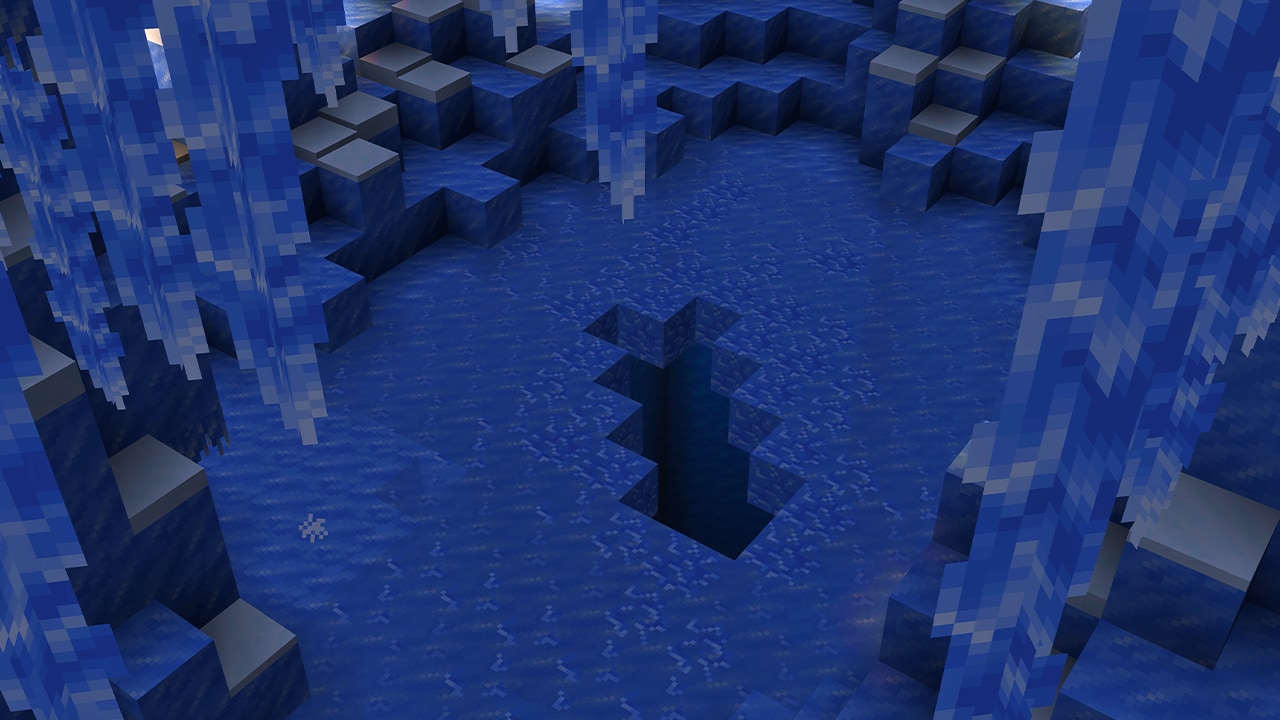
If you'd rather explore on your own terms than fall through the floor, test the ice from a safe distance first — a block or two of hesitation is a lot cheaper than an unplanned drop into frostbite territory.
7. Jukebox Playlists: How to Build One
Not every addition in this test build is trying to hurt you. The same October 13 build introduced what Mojang is calling a jukebox playlist, and it's a genuinely simple build: place a chest directly on top of a jukebox block, then fill that chest with music discs. The jukebox will then work its way through the whole stack instead of stopping after a single track, giving you a continuous soundtrack for your base.
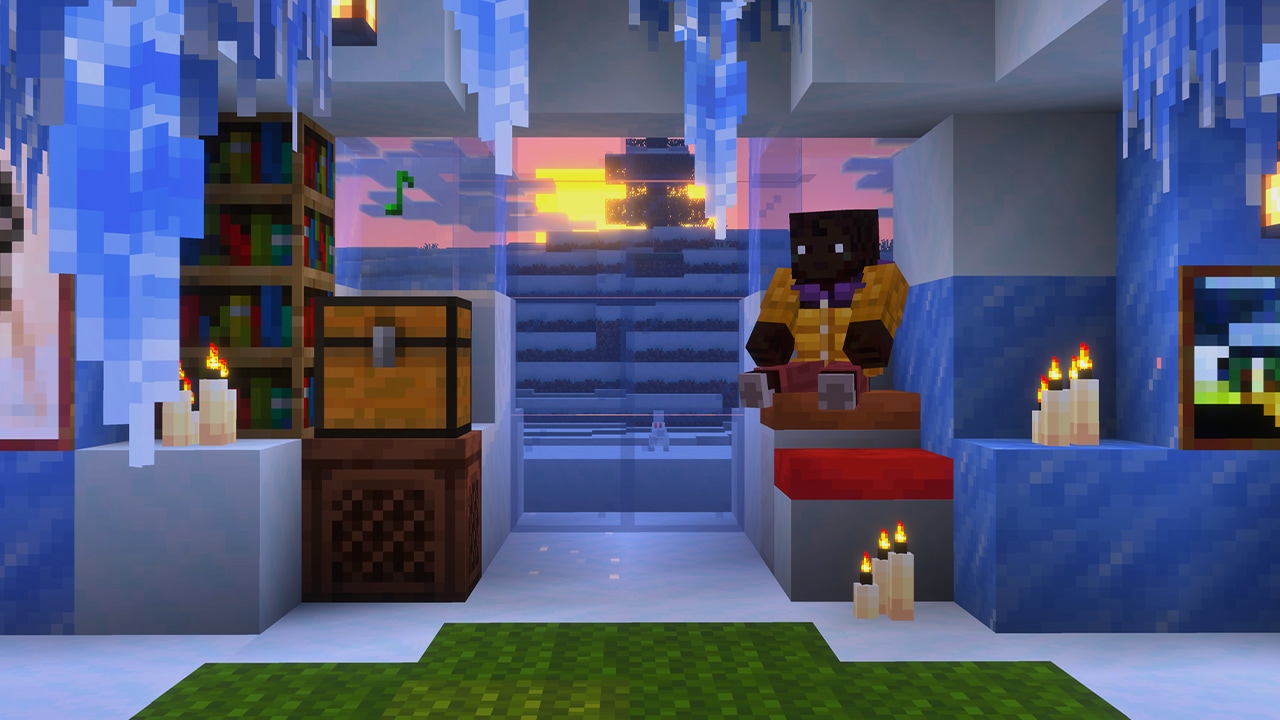
It's a small quality-of-life feature, but after an afternoon of dodging Ice Balls and watching the ceiling for falling icicles, it's a nice reminder that an Ice Cave is meant to be lived in, not just survived.
8. How to Test These Features Right Now
Everything described above is already accessible if you're willing to step outside the stable version of the game. Mojang has staged the rollout in three phases so far: a Preview and Beta build on September 30 covering the Frostbite and the Ice Cave itself, a Java Snapshot on October 6 bringing the same mobs and biome content to Java players, and the October 13 Preview/Beta (build 26U7-1) and Snapshot 26.4, which added jukebox playlists, Brittle Ice and crevasses on top.
Snapshots are opt-in through the Minecraft Launcher's installations tab, and Bedrock Previews and Betas are separate apps you can install alongside the regular game, so neither one touches your main save file. Mojang is actively collecting feedback on these features and takes bug reports through its official channels, which is the right place to flag anything that feels off before the drop goes live for everyone.
Quick Tips Recap
- Watch the ceiling. Icicles only fall when there's enough light nearby, so light your path carefully rather than flooding the whole cave.
- Don't trust the floor. Brittle Ice looks solid until it isn't — test unfamiliar ice before committing your full weight to it.
- Fight Frostbites at range if you can. Their melee attacks apply Freezing directly; their thrown Ice Balls deal less damage the longer they've traveled.
- Save Leather Armor for symptom management, not prevention. It blunts Freezing's worst effects but doesn't stop the effect from landing.
- Loot every Frostbite you beat. Their dropped Ice Balls are the only way to brew a Potion of Freezing or craft an Arrow of Freezing.
Because this is still Preview, Beta and Snapshot content, treat every number here as provisional — Mojang has already flagged the current Ice Crystal size as a known issue, and more could change before the full Winter Drop ships. If you want the latest official word on what's new in the Minecraft Live 2026 announcements that first revealed the Ice Caves, that's a good next stop, as is our breakdown of the Wilderness Bound update's Dappled Forest biome that arrived in the drop before this one. Players who want to decorate their new ice base can also check out our guide to the every Poplar Wood block and crafting recipe, and anyone planning to test these features with friends should see how to go about setting up Realms invite codes for a shared world.
Official Resources