Minecraft Chaos Cubed Update Explained: Sulfur Caves, Sulfur Cubes and Cinnabar
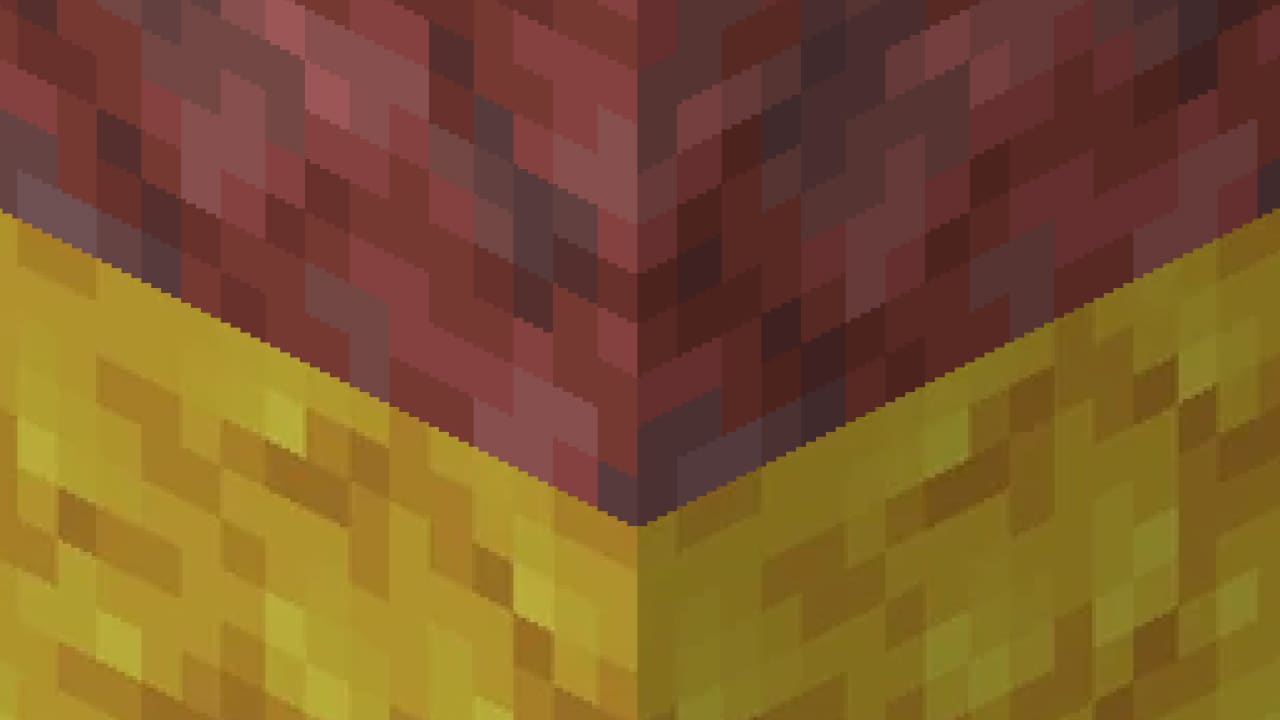
Minecraft's Chaos Cubed update added sulfur caves, the block-absorbing sulfur cube mob, and new sulfur and cinnabar block sets. Here's how the biome, the geysers and every block the sulfur cube can carry actually work.
Minecraft's Chaos Cubed drop added a new underground biome built entirely around chemistry-set colors and a mob that behaves nothing like anything else in the game. If you've stumbled into a cave full of red and yellow blocks and watched a slime-like creature pick up a TNT block and start ticking, this guide explains exactly what you're looking at and how to use it to your advantage.
1. What Chaos Cubed Actually Added
Chaos Cubed shipped on June 16, 2026 as Java Edition 26.2 and Bedrock Edition 26.30, following its reveal at Minecraft Live earlier in the year. It's a free content drop for every edition of the game, covering singleplayer, multiplayer servers, and Realms alike. The headline additions are a new underground biome called the sulfur caves, a new passive mob called the sulfur cube, two new block families (sulfur and cinnabar), a new structure feature in geysers, and a new music disc.
Unlike story-driven updates, Chaos Cubed is almost entirely a systems update — it doesn't add a quest or a boss, it adds a biome and a mob with genuinely unusual physics, then lets players figure out what to do with them. That's also why most of this guide is about how things behave rather than a step-by-step walkthrough, since the sandbox nature of the update means there's no single "correct" way to use any of it.
2. The Sulfur Caves Biome
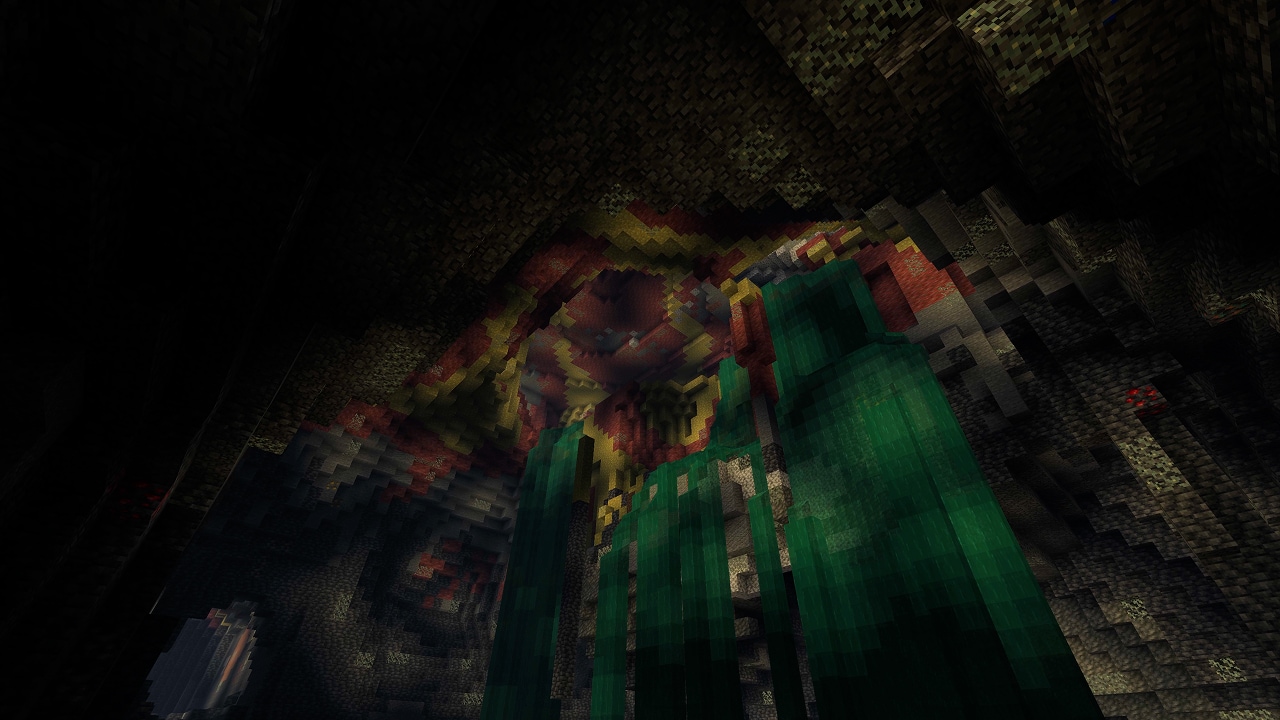
Sulfur caves are a new underground cave biome, separate from the overworld's surface biomes. They're built from colorful veins of sulfur and cinnabar blocks rather than the usual stone and deepslate, which makes them visually distinct from any other cave type in the game. A few things to know before exploring one:
- Cave spiders spawn naturally here — this is the first time cave spiders generate outside of abandoned mineshaft spawners, so don't assume you're safe from their poison just because you're nowhere near a mineshaft.
- Sulfur pools generate inside the biome and are a source of "potent sulfur," a special variant block discussed below.
- Sulfur spikes form as stalactites and stalagmites, similar to pointed dripstone. They grow from sulfur blocks and deal extra damage to anything that falls onto them from above — but unlike dripstone, they don't add extra fall damage to you if you're the one falling.
- On rare occasions, patches of sulfur terrain can poke through to the surface, giving away what's underneath before you've even started digging.
- A new music disc, "Bounce," can be found inside minecart chests in abandoned mineshafts that generate within sulfur caves — one more reason to fully explore one if you find it.
3. Sulfur and Cinnabar Blocks, Explained
The update adds two full new block families, both themed around real-world chemistry:
- Sulfur family: sulfur, polished sulfur, sulfur bricks, and chiseled sulfur, each with matching stairs, slabs, and walls. A sulfur spike can also be crafted directly into a sulfur block.
- Cinnabar family: cinnabar, polished cinnabar, cinnabar bricks, and chiseled cinnabar — the deep red rock found threaded through sulfur caves — also with stairs, slabs, and walls for every variant.
Both families are purely decorative building blocks on their own, but they're the first "native" block sets themed around a cave biome's natural color palette, which makes sulfur caves useful as a build material source and not just something to tunnel past.

4. Potent Sulfur and How Geysers Work
The one block in the sulfur family that isn't purely cosmetic is potent sulfur, crafted from nine regular sulfur blocks. It generates naturally underwater inside sulfur pools and springs, and it has two distinct behaviors depending on how you place it:
- Placed underwater on its own, it continuously releases bubbles and a noxious gas that reaches the surface — any entity that swims into the nearby water takes the Nausea effect.
- Placed directly above a magma block, it becomes a working geyser. The geyser erupts roughly every 45–50 seconds, with each eruption lasting around 4–5 seconds and launching entities caught in the blast upward. The height of the eruption depends on how much water sits above the potent sulfur.
- If the heat source underneath is a lava source block instead of magma, the geyser erupts continuously rather than on a timer, and it skips the Nausea effect entirely.
On the surface, keep an eye out for sulfur springs — small to extra-large pools ringed with cinnabar, granite, and tuff that sit above a pocket of magma. Finding one is a strong hint that a sulfur cave is generating directly underneath. Sculk sensors and calibrated sculk sensors can also pick up a geyser's eruption, which is a handy way to automate a detector if you build a base near one.
5. The Sulfur Cube: Minecraft's Strangest New Mob
The sulfur cube is a passive, slime-like mob that spawns in and around sulfur caves, and its entire gimmick is built around one mechanic: it can pick up and "wear" a full block, and that block changes how the cube moves, feels, and fights.
Taming and Growth
Sulfur cubes behave like baby animals in miniature form when they first split — killing a full-size cube splits it into two small cubes, which grow back into full-size cubes over time. Feeding them slimeballs speeds up that growth, and they can also be tempted to follow you with slimeballs or a golden dandelion.
Picking Up Blocks
A sulfur cube can absorb a dropped block item on its own, or a player can manually give it one by using a block item on the cube directly. Once it's holding a block:
- It becomes mostly stationary and far more resistant to damage — hits mostly just knock it back rather than hurting it, though harder hits send it further.
- It's still vulnerable to suffocation, fire, and cramming damage (cramming only applies on Java Edition).
- You can leash it, feed it a different block to swap what it's holding, or shear it to make it drop the block and return to its normal, mobile state.
- There's also a bucket of sulfur cube, which lets you scoop one up — block and all — and carry it somewhere else, plus a sulfur cube spawn egg for creative builds.
What Each Block Does
This is the part worth experimenting with. Punching a sulfur cube sends it flying based entirely on what it's holding:
- Grass block: moves like a football — medium speed with a noticeable bounce.
- Oak log: fast and very bouncy.
- Moss block: fast and golf-ball-like, and it sinks if it lands in water.
- Blue ice: slides fast across the ground like a hockey puck.
- Soul sand or soul soil: slow, with high friction.
- Wool: slow with heavy air drag, like a beach ball.
- Iron block: slow, flat movement, and it sinks in water.
- Red mushroom block: slides slowly, like a curling stone.
- Honeycomb: sticky — fast but with very high friction and essentially no bounce.
- Stone: slow but bouncy, and sinks in water.
- TNT: arms the cube as an explosive. It primes for six seconds (compared to four for a normal TNT block), and while primed it can't be sheared, bucketed, or damaged. A nearby magma block or a firework explosion can set it off early.
- Magma block: turns the cube "hot" — it damages anything that touches it and can ignite an explosive cube nearby. Wearing Frost Walker boots makes you immune to the burn.
Dispensers got a small but useful update alongside this: they can now load a block directly into a sulfur cube, and shears loaded into a dispenser can strip a block back off one, which opens the door to automated sulfur cube farms and minigames without any manual interaction.

6. Quick Tips for Your First Sulfur Caves Trip
- Bring Milk Buckets or keep your distance from potent sulfur underwater — the Nausea effect from the gas it releases can disorient you badly in a cave full of drops and spikes.
- Watch the ceiling and floor for sulfur spikes before you dig straight down; they behave like dripstone hazards and can do real damage if a mob or you fall onto one.
- If you want a sulfur cube as a mobile landmark or pet, feed it a grass block or wool for predictable, gentle movement rather than ice or stone, which send it sliding fast.
- Never punch a TNT-holding cube near anything you want to keep — a six-second fuse is short, and the explosion is a real one.
- Loot every minecart chest you find in a sulfur cave's mineshaft sections; the "Bounce" music disc only drops from this biome.
7. Official Resources
- Minecraft.net — Chaos Cubed Drop
- Minecraft.net — Chaos Cubed Official Release Date
- Official Minecraft Store Page
Whether you're hunting the "Bounce" disc, farming geysers for an automatic launch pad, or just building with the new cinnabar brick set, Chaos Cubed gives sulfur caves a reason to matter beyond a quick ore run. If you want more on what else has landed in Minecraft recently, our Wilderness Bound update breakdown and redstone basics guide are good next stops, and the copper golem guide covers another recent addition worth automating around. For everything else we've covered, check the full walkthroughs archive.