Fortnite Ranked Mode Explained: Every Rank, Scoring and How to Climb
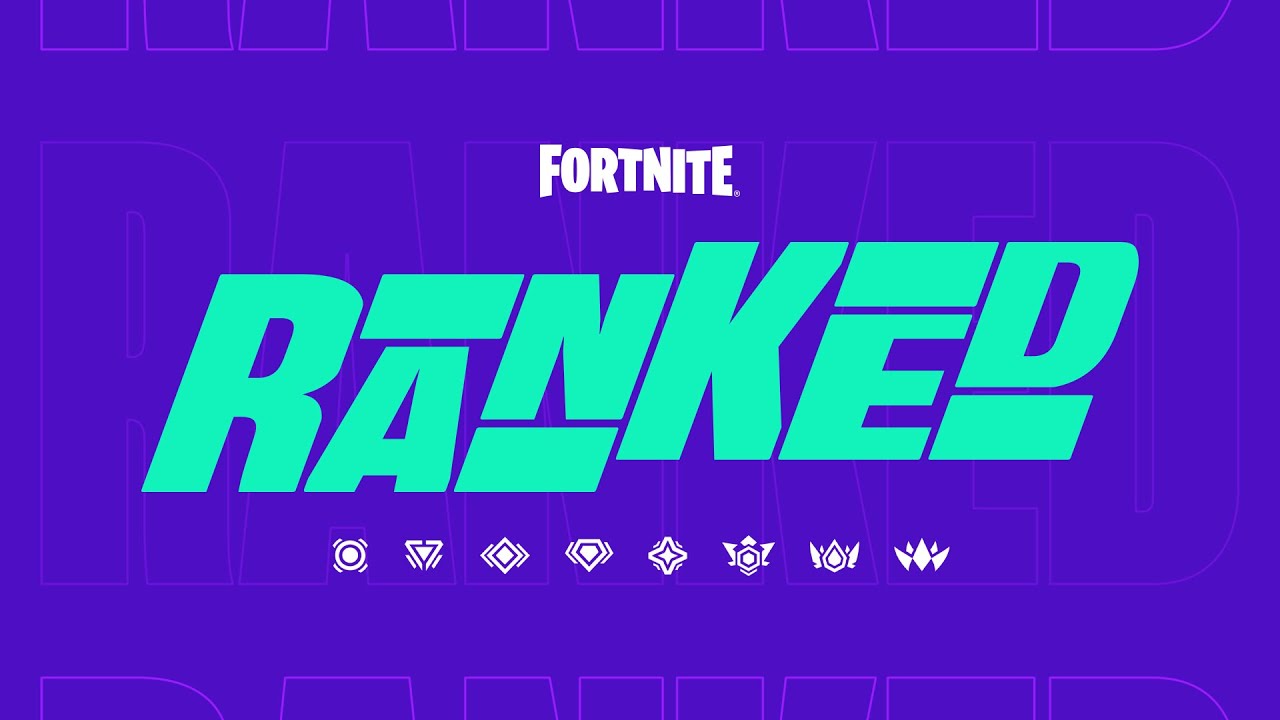
Fortnite Ranked now covers three separate ladders — Battle Royale, Zero Build and Reload — each climbing from Bronze through Unreal. Here's how to unlock it, exactly how placement and eliminations move your rank, and what happens when a new season resets the board.
Fortnite's Ranked playlist turns the normal match-to-match grind into a real ladder: every win and every elimination moves a visible rank, from Bronze all the way up to the server-wide Unreal leaderboard. It now covers three separate game types — Battle Royale, Zero Build and Reload — each with its own climb. Here's exactly how the system works, how to unlock it, and what actually moves your rank up or down.
1. What Is Fortnite Ranked, and How Do You Unlock It
Ranked is an optional toggle sitting alongside the normal matchmaking playlists. It isn't available from the moment you boot up the game — Epic gates it behind a Kickstart quest called Outlast 500 players, which simply means surviving long enough across your matches to outlast 500 opposing players in total. Once that quest is complete, a Ranked switch appears on the mode-select screen in the lobby, and every match you queue from that point tracks toward your rank instead of being purely casual.
This unlock requirement exists mostly to keep brand-new accounts out of the ranked pool until they've shown basic survival instincts, so most returning players will find it's already unlocked on their account. Ranked effectively replaced Fortnite's older Arena mode, trading Arena's Hype-points ladder for the division-based rank system described below, and extending competitive progression to Zero Build and Reload instead of keeping it exclusive to standard Battle Royale.
2. Three Separate Ladders: Battle Royale, Zero Build and Reload
Ranked isn't one single ladder. Epic runs independent rank progression for each major mode, and your standing in one has no effect on the others.
Battle Royale Ranked
The full-size island with building, the complete weapon and item pool, and the current season's map changes — this is the standard Ranked experience most players mean when they talk about their rank.
Zero Build Ranked
Identical rules and the same map, but building and editing are removed entirely, so fights come down to rotations, positioning and aim rather than box fighting. It runs its own separate rank track; a player can be Unreal in Zero Build and Gold in regular Battle Royale. For a full breakdown of how the two rule sets differ moment to moment, see our Build versus Zero Build comparison.
Ranked Reload
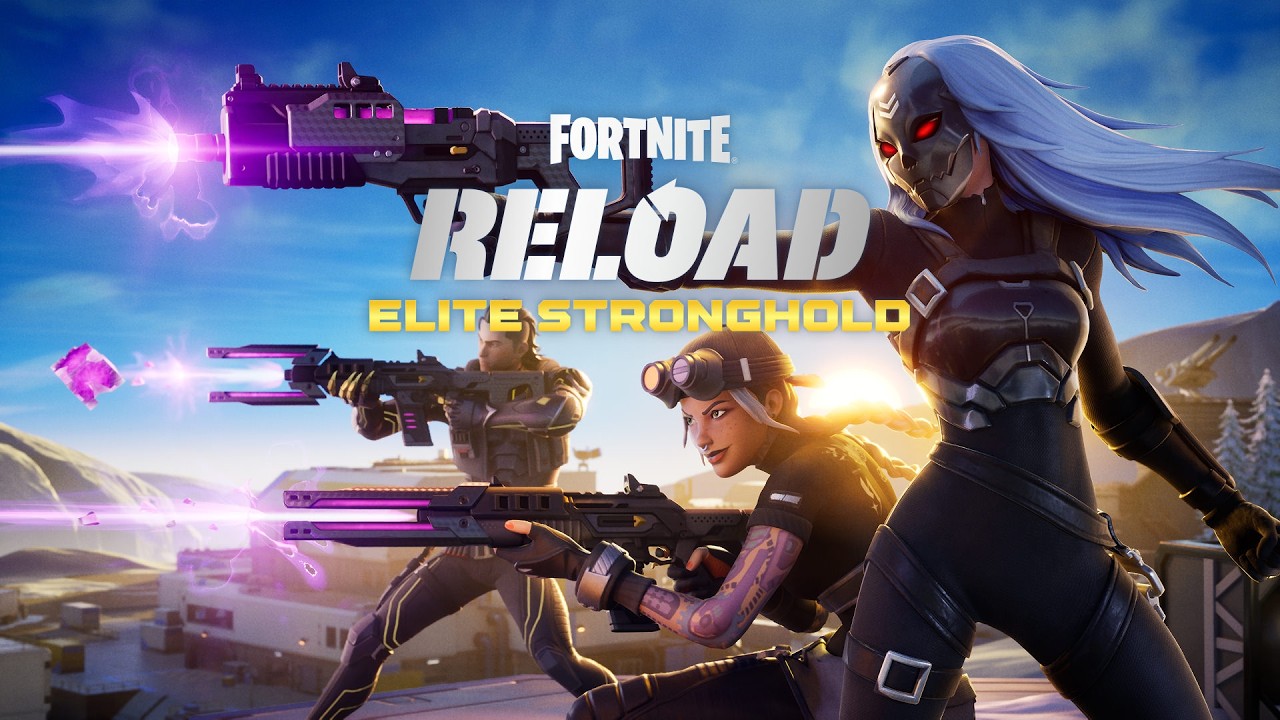
Reload is Fortnite's condensed Battle Royale format — smaller maps, a trimmed weapon pool and a free-respawn system where eliminated players reboot back in after a short timer as long as a teammate is still alive. It has run across a rotating set of maps, including the current Elite Stronghold map added alongside Chapter 7 content. Reload's faster pace and forgiving respawns make it the quickest of the three ladders to climb, which is also why Epic tracks its rank completely separately from standard Battle Royale.
3. Every Fortnite Rank In Order
Across all three ladders, the tier structure is identical, climbing from the lowest division to the single server-wide elite tier:
- Bronze (I, II, III)
- Silver (I, II, III)
- Gold (I, II, III)
- Platinum (I, II, III)
- Diamond (I, II, III)
- Elite (single tier, no sub-divisions)
- Champion (single tier, no sub-divisions)
- Unreal (the top of the ladder)
Bronze through Diamond are each split into three divisions that you climb through before promoting to the next named rank. Elite, Champion and Unreal are standalone tiers — there's no "Champion III," just Champion.
4. How Your Rank Score Actually Moves
Every ranked match scores you on two things: where you place and how many opponents you eliminate. A strong placement — especially landing in the top few spots or taking the win — is worth significantly more than a single elimination, but eliminations still add up over a match and matter more the higher your kill count climbs. Die early with zero eliminations and you'll lose rank progress; survive deep into a match or rack up eliminations even without the win, and you'll usually still gain ground.
Matchmaking itself is rank-based: Ranked tries to pair you against opponents sitting at a similar tier, so a Bronze player isn't routinely dropped into lobbies full of Unreal-tier squads. That changes as you climb — competition gets sharply tougher the closer you get to Champion and Unreal, since that's where the playlist is thinnest and most concentrated with the game's best players.
Because the two factors are weighted differently, playstyle matters: a cautious player who consistently places top 10 without many eliminations can climb almost as reliably as an aggressive player who trades a riskier early game for a higher kill count. Both paths work, but dying early with nothing to show for it is the one outcome that reliably costs you progress on any of the three ladders.
5. Elite, Champion and Unreal: Rank Protection and the Leaderboard
Once you've reached Elite, Epic protects that progress — you cannot be demoted back down into Diamond or lower for the rest of that season, no matter how many bad matches follow. The same floor applies once you reach Champion.
Unreal sits above all of it as a single, numbered leaderboard rather than a division. Every Unreal player gets a rank number showing exactly where they stand against every other Unreal player on the server, and that number keeps moving based on performance even after you've already reached the top tier. Reaching Unreal in a season locks in Unreal status for that season regardless of later results.
6. What Happens to Your Rank When a New Season Starts
Ranks don't carry over untouched from one season to the next. When Fortnite moves into a new season, Epic applies a partial reset that pulls every rank back down by a set amount rather than wiping progress completely, so a Champion-tier player starts the new season several divisions lower rather than back at Bronze. The current ladder is running inside Chapter 7 Season 4: Override, which also reshaped the map and battle pass — our Season 4 Override breakdown covers what changed outside of Ranked specifically.

7. Why Bother Climbing: Rewards and the Road to FNCS
Beyond bragging rights, reaching higher ranks each season earns exclusive cosmetic rewards tied to that specific season's Ranked track, separate from anything in the Battle Pass. More importantly for competitively minded players, strong ranked standing is one of the gates Epic uses for eligibility into its official tournaments, including the Fortnite Championship Series. If the competitive side interests you, our coverage of the Fortnite Global Championship 2026 lays out how that tournament path works once you're climbing seriously.
8. Quick Tips to Climb Faster
- Prioritize survival over fights you don't need. Since placement points add up fast, rotating away from a 50/50 fight to bank a better placement is often the higher-value play, especially below Diamond.
- Play Zero Build or Reload if building isn't your strength. Both run on separate ladders, so a weaker Battle Royale builder can often climb faster on a ladder that rewards aim and positioning instead.
- Expect the climb to slow down near Diamond and Elite. Lobbies get progressively sharper the higher you go, so treat a stalled rank there as normal rather than a sign something's wrong with your play.
- Don't panic about the season reset. Because the reset is partial, consistent ranked play each season will put you back near your previous tier faster than starting cold.
For more Fortnite breakdowns and guides to other current-season content, browse the full walkthroughs archive.