NBA 2K27's ProPLAY Explained: 7,000 New Animations and the Stars Who Inspired Them
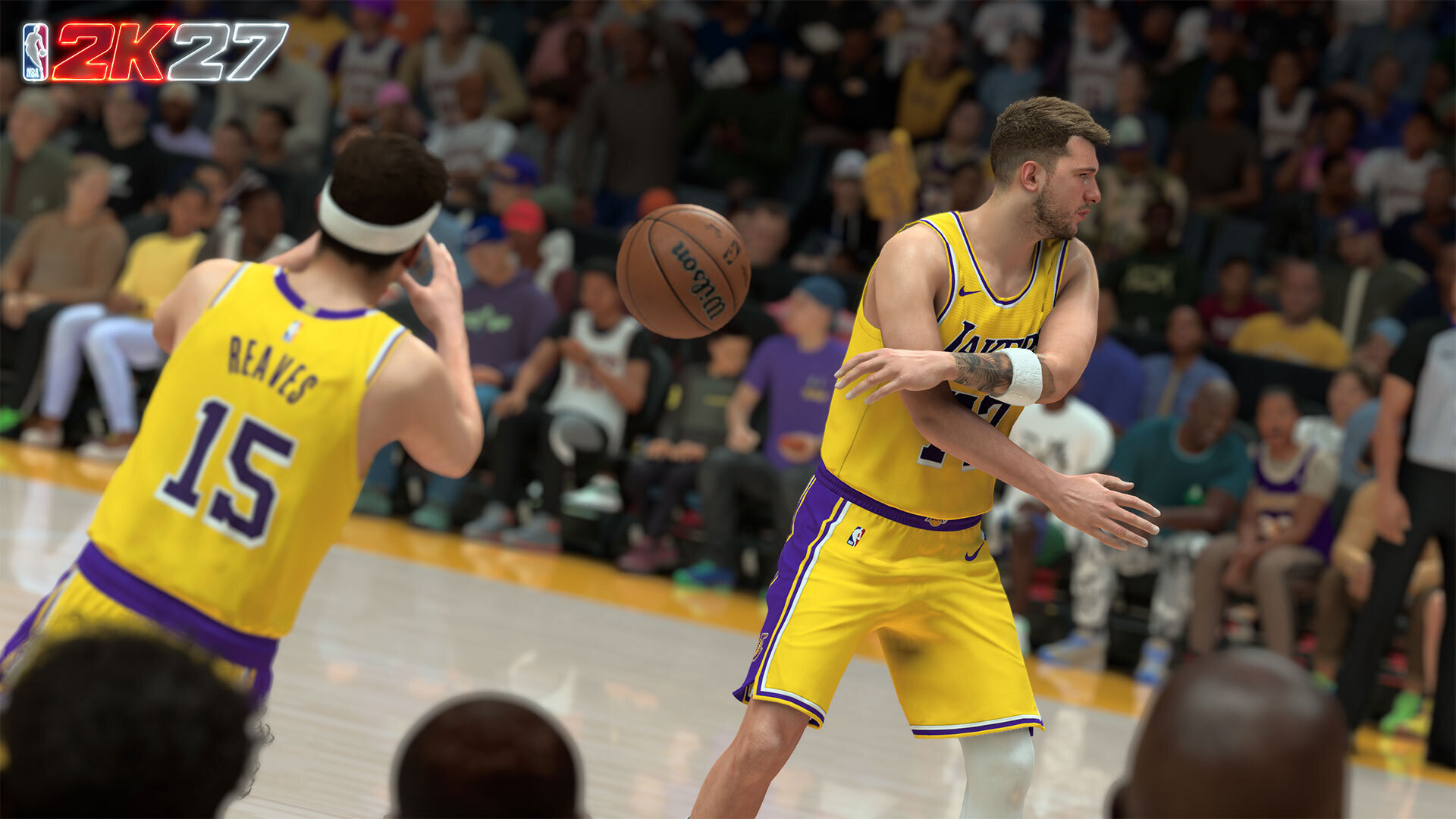
NBA 2K27's ProPLAY technology converts real NBA broadcast footage into in-game animation, adding over 7,000 new moves this year. Here's how it powers the new Dynamic Layup Engine and signature step-throughs modeled on Shai Gilgeous-Alexander, Anthony Edwards, Luka Dončić and Donovan Mitchell, plus the matching overhaul to shot contests, hands-up defense and ball collisions.
NBA 2K27's biggest gameplay leap isn't a new mode or a new currency — it's the motion underneath every shot, drive and contest. 2K's ProPLAY technology now drives more than 7,000 new animations, and several of this year's signature finishing moves were built directly from real footage of stars like Luka Dončić, Shai Gilgeous-Alexander, Anthony Edwards and Donovan Mitchell. Here's what ProPLAY actually does, how it reshaped finishing and defense this year, and where you'll notice it first on the court.
1. What ProPLAY Actually Is
ProPLAY is Visual Concepts' system for converting real NBA broadcast footage directly into in-game player animation, rather than relying solely on traditional motion-capture studio sessions. Instead of an animator or mocap actor approximating how a player moves, ProPLAY processes actual game footage of that player and translates the movement into usable animation data. The result is motion that looks and reads like the real athlete, down to the specific angle of a step-through or the way a player protects the ball through contact.
Gameplay Director Mike Wang, of Visual Concepts, framed the push behind this year's build around balance between both ends of the court: "Powered by ProPLAY, NBA 2K27 delivers a balanced game on both ends of the floor." That statement doubles as the thesis for this year's changes — ProPLAY wasn't just used to make scoring flashier, it was applied to defense and physicality too.
2. The Jump From NBA 2K26: Over 7,000 New Animations
2K confirmed that NBA 2K27 adds more than 7,000 new ProPLAY animations on top of what NBA 2K26 shipped with. That volume matters less as a raw number than as a sign of where development time went this cycle — instead of a handful of marquee signature packages, the scope covers dribbling, finishing, contests and off-ball movement across the roster. The practical effect is fewer repeated, generic animations and more context-specific motion: a step-through that looks different depending on the angle of approach, or a finish that adjusts based on where the help defender is standing.
This is also the connective tissue between several systems covered elsewhere on this site. The signature size-ups and breakdown combos in NBA 2K27's dribble package and the step-through and advanced offense controls both run on ProPLAY-captured motion underneath the hood — this article focuses on where that motion actually comes from and how it was built.
3. The NBA Stars Behind the New Signature Moves
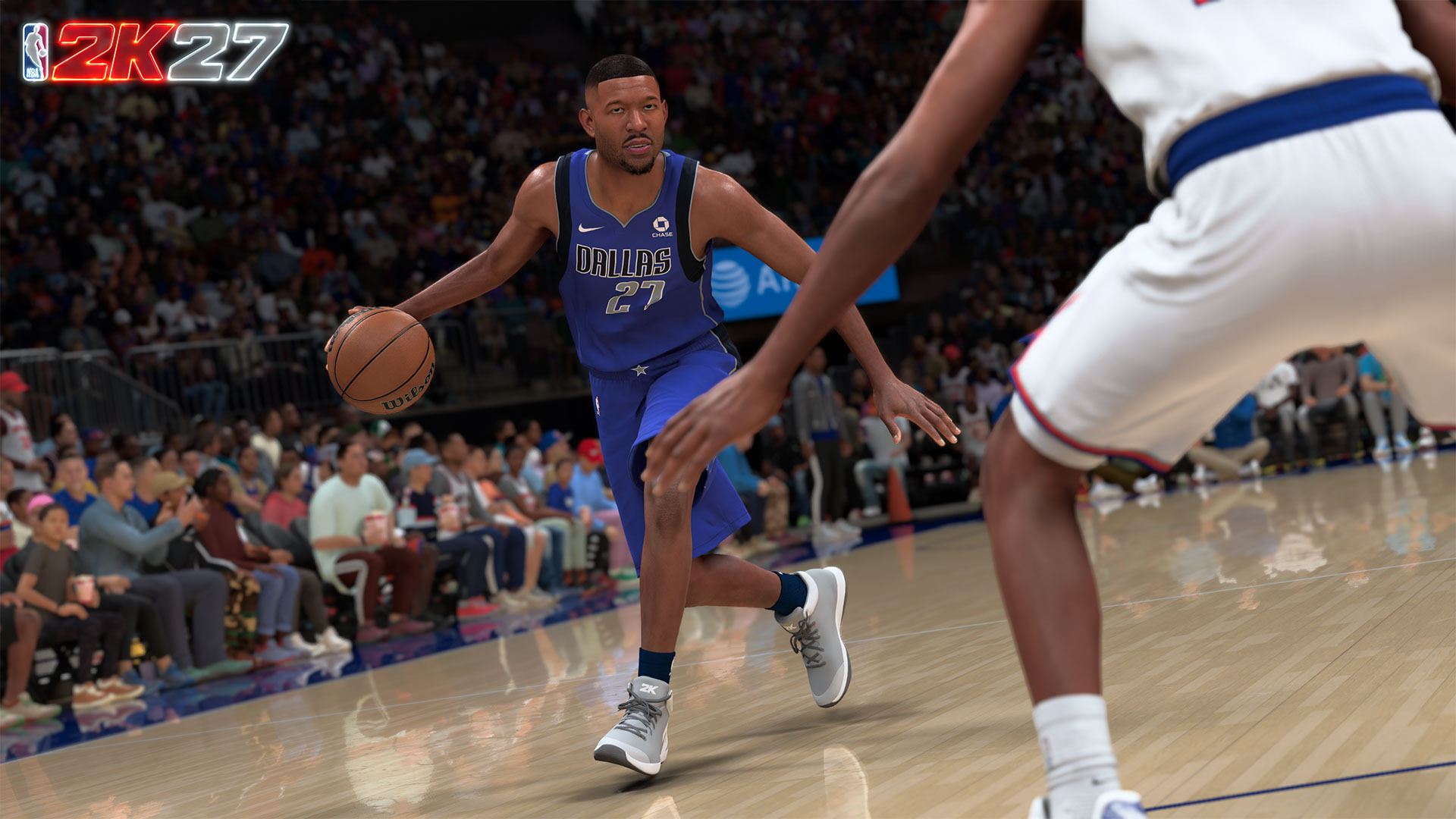
Rather than a single blanket animation set, 2K built several of this year's new finishing moves from the real tendencies of specific current stars. The step-through up-and-under — a counter move where a driving player steps through contact before elevating — was modeled on footage of Shai Gilgeous-Alexander, Anthony Edwards, Luka Dončić and Donovan Mitchell, four players whose real-life footwork at the rim is built around exactly that counter. Giving players access to that specific move, with that specific footwork, is the clearest example of what ProPLAY is meant to deliver: recognizable, player-accurate motion instead of a generic animation reused across the roster.
It also means the move plays differently depending on who you're controlling. A create-a-player or a MyPLAYER build using a guard archetype can access the same step-through package, but a center attempting the same counter won't move through it identically — ProPLAY-driven animations are tied to body type and speed with ball attributes, not just equipped to every player uniformly.
4. The Dynamic Layup Engine: Context-Sensitive Finishes
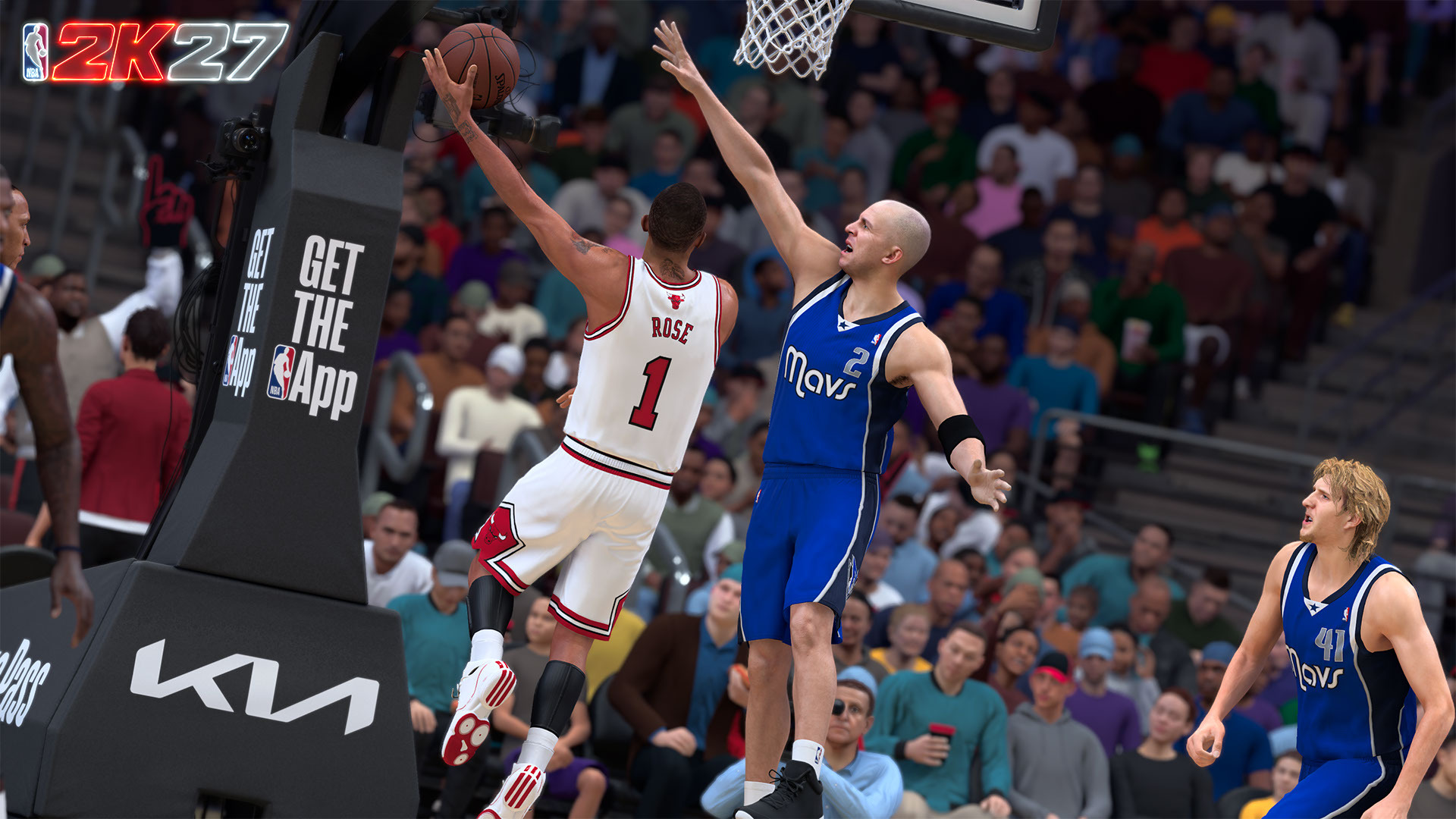
The clearest on-court application of all that new motion data is the Dynamic Layup Engine. Rather than committing to a single animation the moment a drive begins, the engine adjusts a player's movement in mid-air to produce a cleaner finish based on the help defense, the angle of the drive and the position of the rim protector. In practice that means two drives that start identically can end in different finishes depending on who rotates over and from which side — the engine is reading the defense in real time rather than locking in a pre-picked animation at the start of the gather.
Paired with the expanded ProPLAY animation count, this is also why finishes at the rim look less repetitive than in past entries: the same drive from the same spot on the floor won't always resolve into the same dunk or layup package.
5. Expanded Dribbling Customization
2K also widened what's available in dribble move customization this year, giving players more combinations for breakdown moves and size-ups built from the same ProPLAY motion library. The goal, per 2K's own messaging, is accessibility alongside depth — offensive tools like the step-through, the Dynamic Layup Engine and expanded dribble customization are each described as benefiting players "of all skill levels," not just those who already know advanced input combinations.
6. How ProPLAY Changes Defense
The other half of Mike Wang's "balanced on both ends" framing is defense, and it's where ProPLAY's reach is easy to overlook. Three specific systems were overhauled alongside the new offensive animations:
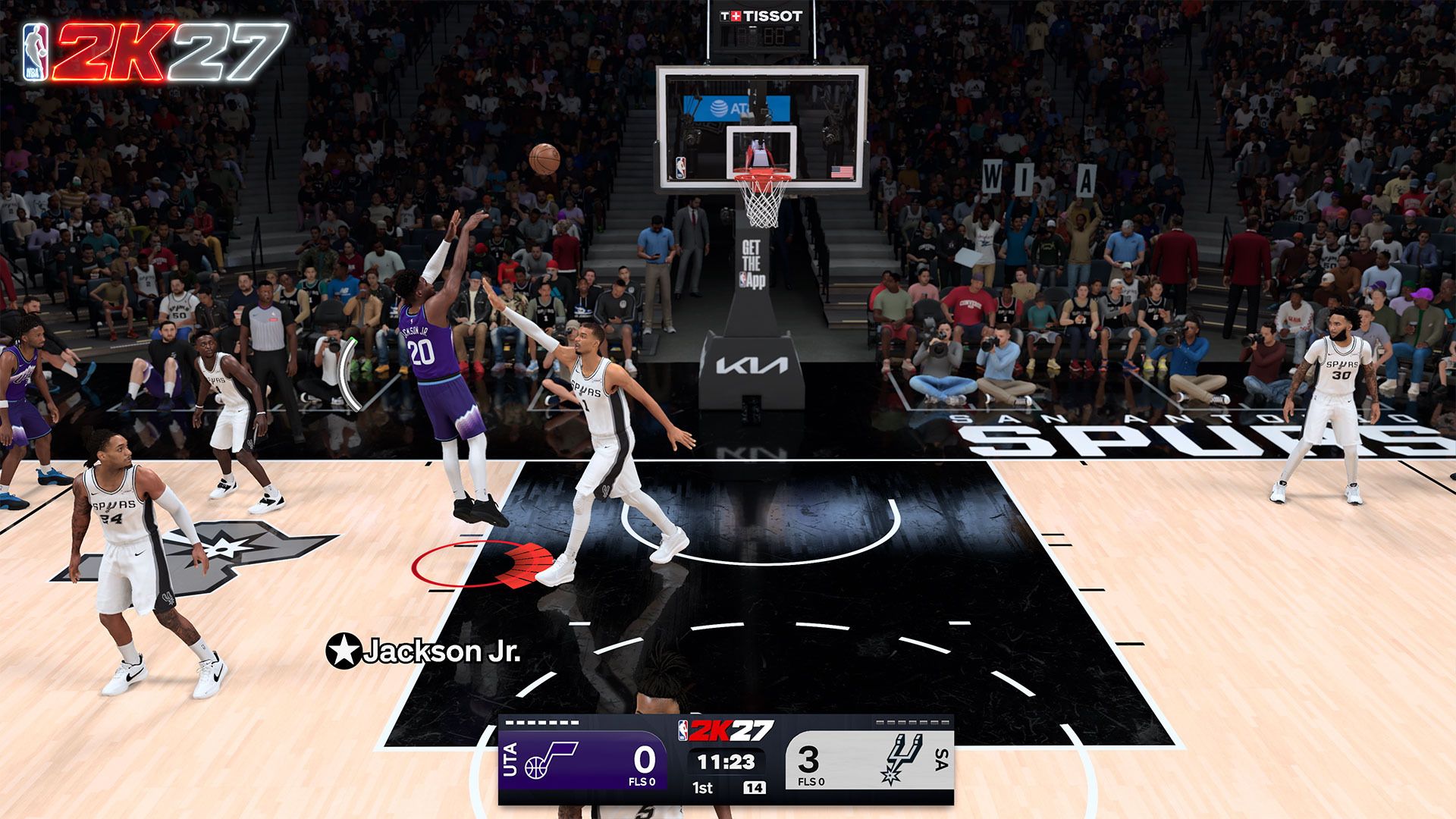
- A dynamic shot contest system. Instead of a single contest check at the moment of release, shot coverage is now evaluated continuously from the moment a defender leaves the ground through the finish of the shot, with a color-coded on-screen indicator showing both contest quality and the direction the pressure is coming from.
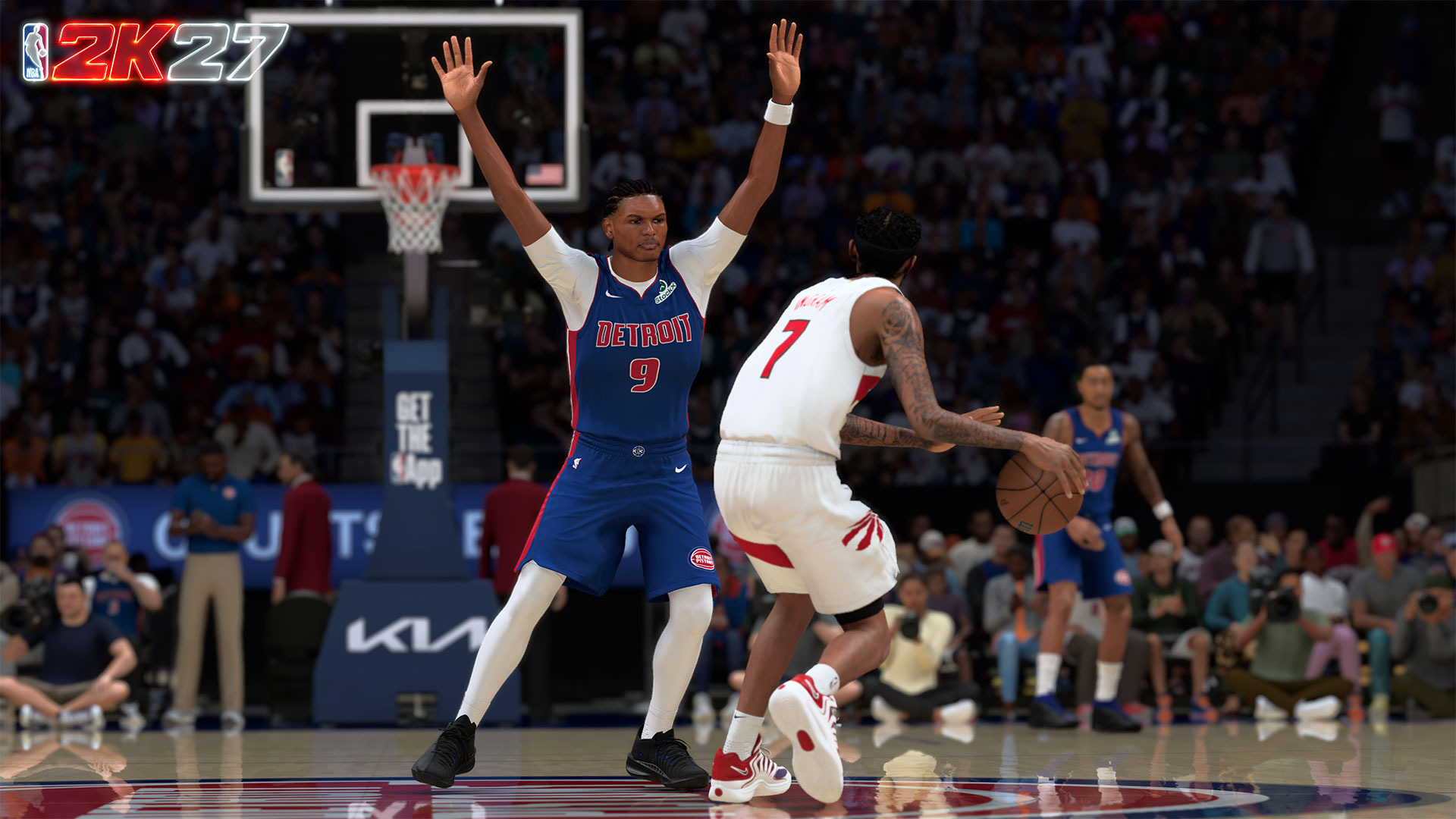
- Hands-up defense. Defenders can contest more aggressively or more conservatively depending on how the stick is used, rather than every closeout playing out the same way regardless of how the defender actually approaches the shooter.
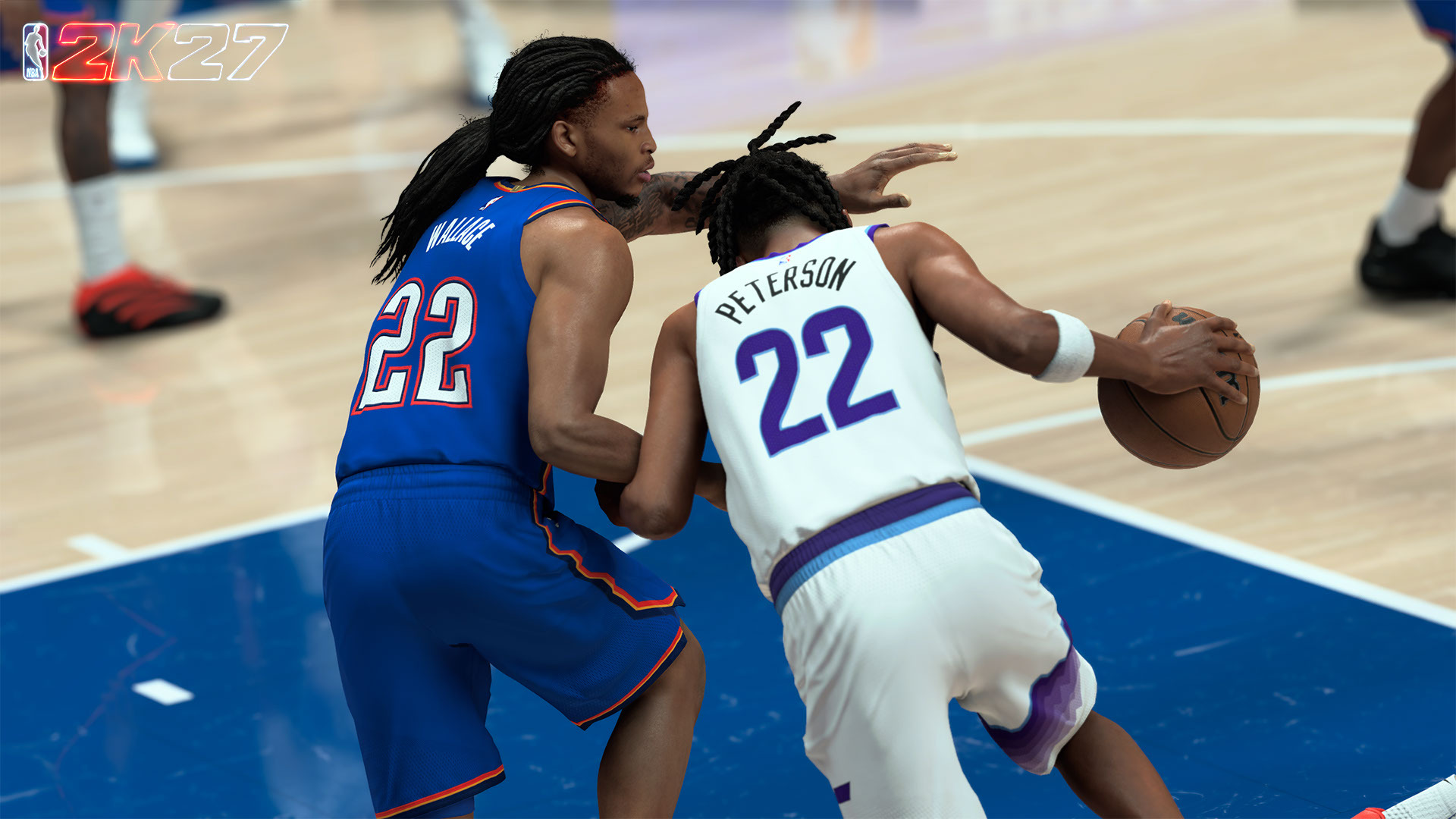
- A new ball collision system. On cutoffs and steal attempts, whether contact actually knocks the ball loose is now weighed against both players' ratings, rewarding well-timed physical defense while still giving the ball handler a real chance to recover instead of an automatic strip.
These three pieces work together: the contest meter tells you how good your closeout was, hands-up defense gives you more control over how you close out in the first place, and the collision system determines whether your physicality on a cutoff actually pays off. All three draw on the same expanded ProPLAY motion data as the offensive side, which is why defenders this year plant, reach and recover using animation that matches the ball handler's own movement instead of a separate, disconnected defensive skeleton.
7. Where You'll Notice It First
ProPLAY's animation work isn't tied to a single mode — it's the base layer underneath Play Now, MyCAREER and every multiplayer court in The City. If you're building a guard-style MyPLAYER, you're the most likely to feel the step-through and dribble changes directly, since those moves were modeled on perimeter stars in the first place. Bigger builds will feel the Dynamic Layup Engine and the new collision system more, since both are built around contact at or near the rim. On defense, every archetype benefits from the dynamic contest meter and hands-up defense, since both are controls-based rather than tied to a specific build.
If you're still deciding how to build your MyPLAYER around these changes, it's worth reading through how the MyPLAYER Builder and badge synergy system work alongside this piece, since the badges you equip interact directly with the new finishing and defensive tools described here.
Quick Tips Recap
- ProPLAY converts real NBA broadcast footage into in-game animation rather than relying only on traditional mocap — that's why specific moves look like specific players.
- NBA 2K27 adds over 7,000 new ProPLAY animations compared to NBA 2K26.
- The step-through up-and-under was modeled on Shai Gilgeous-Alexander, Anthony Edwards, Luka Dončić and Donovan Mitchell.
- The Dynamic Layup Engine adjusts your finish in the air based on where the help defense is coming from — the same drive won't always end the same way.
- Defense got the same treatment: a continuously-evaluated shot contest meter, adjustable hands-up defense, and a ratings-based collision system on cutoffs and steals.
- Guard-style MyPLAYER builds will feel the dribble and step-through changes most; bigger builds will feel the layup engine and collision system most.