Marvel's Wolverine Complete Guide: Combat, Rage, Skills and Best Tips

Marvel's Wolverine is a 30-chapter, PS5-exclusive action game that runs on aggression. This complete guide breaks down the combat loop, all three Rage tiers and Last Stand, which Techniques and Adaptations to unlock first, where the collectibles hide, how to beat the fights that disable your healing factor, and the difficulty sliders worth changing.
Marvel’s Wolverine is here, and Logan hits harder than any Insomniac hero before him. This guide covers everything that actually matters once you pick up the controller: how the combat loop works, what each Rage tier unlocks, which Techniques and Adaptations to invest in first, where the collectibles hide, and how to survive the fights that strip your healing factor away.
Everything below is based on Insomniac’s own breakdowns of the game’s systems and the launch build, so you can read it before you start or keep it open while you play.
1. Marvel’s Wolverine at a Glance
Marvel’s Wolverine launched on September 15, 2026, exclusively on PlayStation 5, developed by Insomniac Games with Marvel Games. Liam McIntyre plays James “Logan” Howlett.
- Structure: a linear, narrative-driven action game split into 30 chapters — not an open world, though most missions hide optional side routes.
- Length: roughly 12–15 hours for the main story, and 20–25 hours if you clean up collectibles and Nightmare Trials.
- Locations: the story opens with a bar fight in Telambang, then moves through Canada, Madripoor and Japan as Logan chases his missing memories.
- Cast: Logan reunites with Team X — Mystique, Sabretooth and Jean Grey among them — against anti-mutant industrialist Bolivar Trask.
- Rating: the ESRB rated it M for Mature 17+ for Blood and Gore, Intense Violence, Partial Nudity, Strong Language and Drug Reference. This is the most violent game Insomniac has made.

2. How Combat Actually Works
Wolverine’s combat is built on aggression. There is no shield and no ranged option — you close distance, you stay in the fight, and you heal by continuing to win. The moment-to-moment loop is simple to learn:
- Lunge in. Logan targets an enemy across the room and launches himself at them to stun or open with a barrage. Use this to pick your next target rather than walking into gunfire.
- Attack to build Rage. Claws, kicks and barrages all feed the meter.
- Parry to keep momentum. Parries block damage and generate Rage.
- Cancel freely. You can interrupt your own combos mid-string, so you are never locked into an animation when something dangerous winds up.
That last point is the one most new players miss. Because combos are cancellable, the correct instinct when a red attack indicator appears is to break off immediately. Finishing the string is almost never worth the hit.

3. The Rage Meter Explained
Rage is the engine behind everything Logan does. It is a three-tier adrenaline pool that fills through successful attacks, parries and kills, and each tier changes how dangerous — and how survivable — he becomes.
Tier 1 — Survivability
The baseline. You are building the meter through clean combos and staying alive long enough to reach the tiers that matter.
Tier 2 — Resilience
Your combos get stronger, and more importantly Last Stand comes online. Last Stand lets you spend Rage to trigger Logan’s healing factor after you have been fully downed. This is the single most valuable thing Rage does for a new player: it is a second life, but only if you have meter banked when you go down.
Tier 3 — Fury
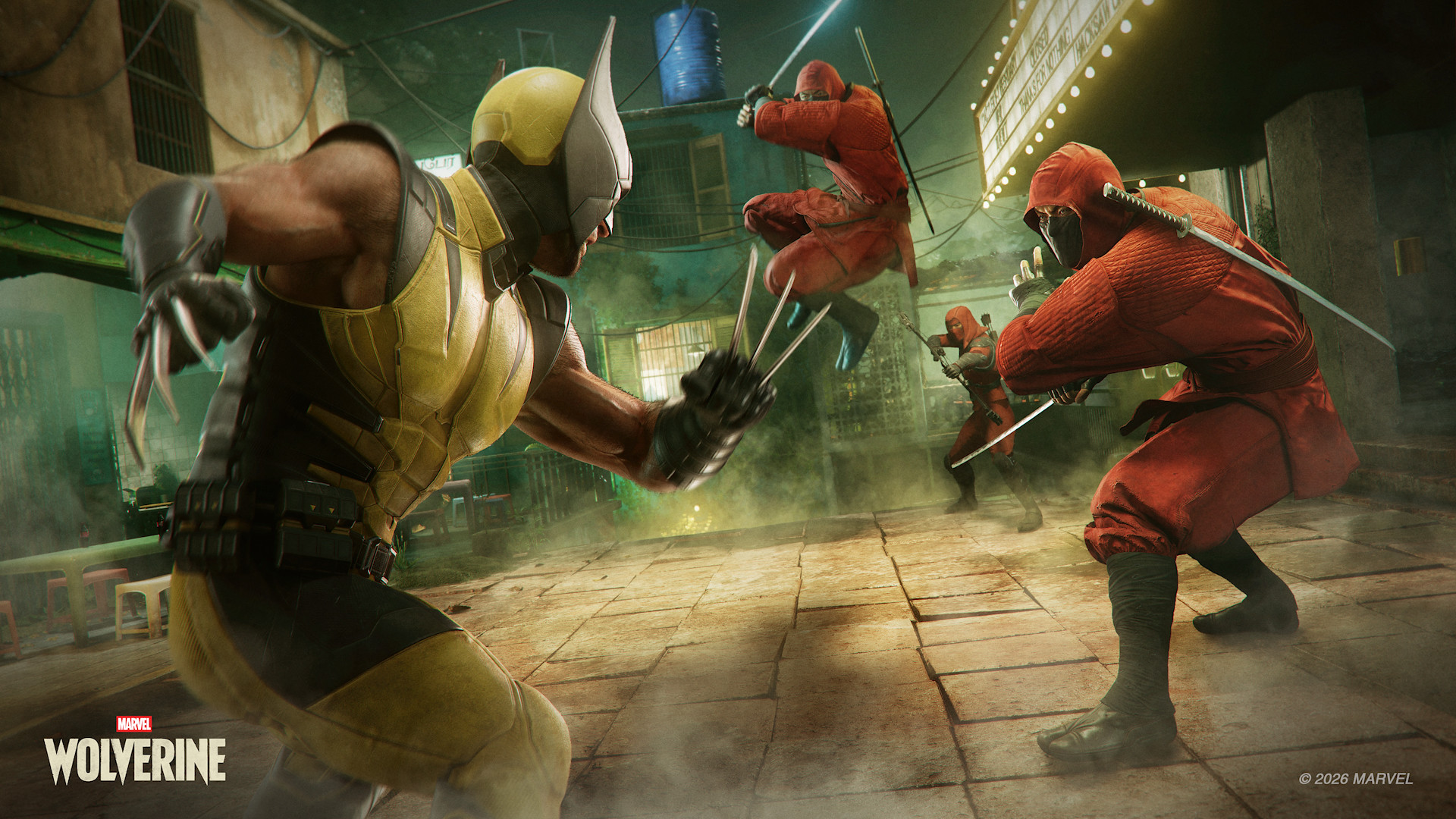
Damage climbs sharply, Logan starts shrugging off incoming attacks, and brutal Critical Strikes open up. Presentation shifts with it — vision narrows and his breathing turns louder and more primal. Critical Strikes let you do things like tear a katana or bow out of a Hand member’s grip and turn it on them.
The most important tip in this guide: perfect parries fill a large chunk of the meter instantly. Parrying is not the defensive option here — it is the fastest route to Tier 3. Players who treat parry as a panic button stay stuck in Tier 1; players who parry on purpose live in Tier 3.
The other half of the lesson is knowing when not to spend. If a fight is going badly, hold Rage for Last Stand instead of burning it on offense.

4. Techniques and Adaptations
Progression runs on two parallel systems, and they serve very different purposes.
Special Techniques
These are rechargeable active abilities mapped to directional inputs. You can have four equipped at once and swap them freely between encounters, so treat your loadout as a response to the next fight rather than a permanent build. Examples include:
- Tornado Spin — a spinning cleave for when you are surrounded.
- Knee Breaker — interrupts an enemy mid-attack. Invaluable against heavies that wind up slow, heavy swings.
- Spiral Strike — concentrated single-target damage for elites and bosses.
Adaptations
Adaptations are passive, long-term upgrades, and there are dozens of them. They do things like increase how many bullets Logan absorbs before it matters, widen the parry window, improve how much you get out of Rage, or make enemies panic mid-fight. Crucially, they can be respecced, so nothing you pick is permanent.
What to take first: prioritise survivability and Rage generation over raw damage. A wider parry window and better Rage output compound — they make every later fight easier, whereas flat damage only shortens the fight you are currently in. Damage-first builds are a trap while you are still learning enemy tells.
5. Suits, Claws and Health Upgrades
There are more than 15 suits in the game, including Battle Reborn, Weapon X, Old Man Logan, Ultimate Wolverine, the Patch disguise and plain civilian clothes. You can toggle cowls and hats separately, and unlock claw variants — bone, notched, curved, reflective and angled.
This matters more than it sounds: suits are not purely cosmetic. Acquiring them grants concrete rewards, including raising Logan’s maximum health or unlocking new claws. If you are struggling with a difficulty spike, go collect the suits you skipped before you retry the fight.

6. Exploration and Collectibles
The campaign is linear, but nearly every mission branches into optional paths worth taking. Enhanced Senses is the tool that reveals them — it highlights hidden items, tracks scents and marks enemy positions during stealth. Use it at the start of every new area, not just when you are lost.
- Whisky bottles — collectibles that unlock fragments of Logan’s forgotten memories. The Japan chapters are the densest for collectibles overall.
- Material crates — crafting resources that feed your upgrades. Skipping these is the most common reason players feel underpowered later.
- Nightmare Doors — optional portals into dreamlike, reimagined versions of the game’s locations. They trigger Nightmare Trials: timed combat or traversal challenges that reward exclusive Adaptations and story context.
Good news for completionists: you do not have to sweep perfectly on your first run. The game gives you a cleanup path after the credits to pick up what you missed without replaying the whole campaign.

7. Bosses and the Fights That Break the Rules
Ordinary encounters reward pure aggression. Boss fights and a few scripted sequences deliberately take that away from you.
Ability Inhibitors
Some encounters deploy inhibitors that block Logan’s mutant abilities, which means fighting without your healing factor. The answer is not to out-damage the room — it is to identify and destroy the inhibitors first, using classic combat moves and playing far more carefully than usual until they are down.
Omega Red
A named, signature encounter and one of the toughest fights in the game. Expect long reach and sustained pressure that punishes greedy combos.
The Sentinel Prototype
Built by Trask to detect and destroy mutants, this fight demands patience and strategy rather than speed — dodge or parry its heavy attacks and take your openings when they are offered instead of forcing them.
The Hand
Katana and bow users who attack from multiple angles simultaneously. Reach Tier 3 and use Critical Strikes to disarm them; a stolen katana turned back on its owner solves a lot of these fights.

8. Difficulty and Accessibility Options
The overall Challenge Level can be changed at any time, so there is no reason to stay stuck. Beyond the presets, individual sliders let you tune the experience precisely:
- Enemy Health and Enemy Damage, adjusted independently
- Stealth Awareness
- Dodge and Parry input timing windows
- Global game speed
- Navigation and traversal assists
If a boss is beating you on reflexes rather than knowledge, widen the parry input window instead of lowering enemy health — you keep the fight’s shape while removing the frame-perfect requirement.
Insomniac shipped over 100 accessibility options, including High Contrast visuals, English Audio Description, strong haptic signals, and toggles for violence and adult language — useful given how graphic the combat gets.
9. See the Systems in Motion
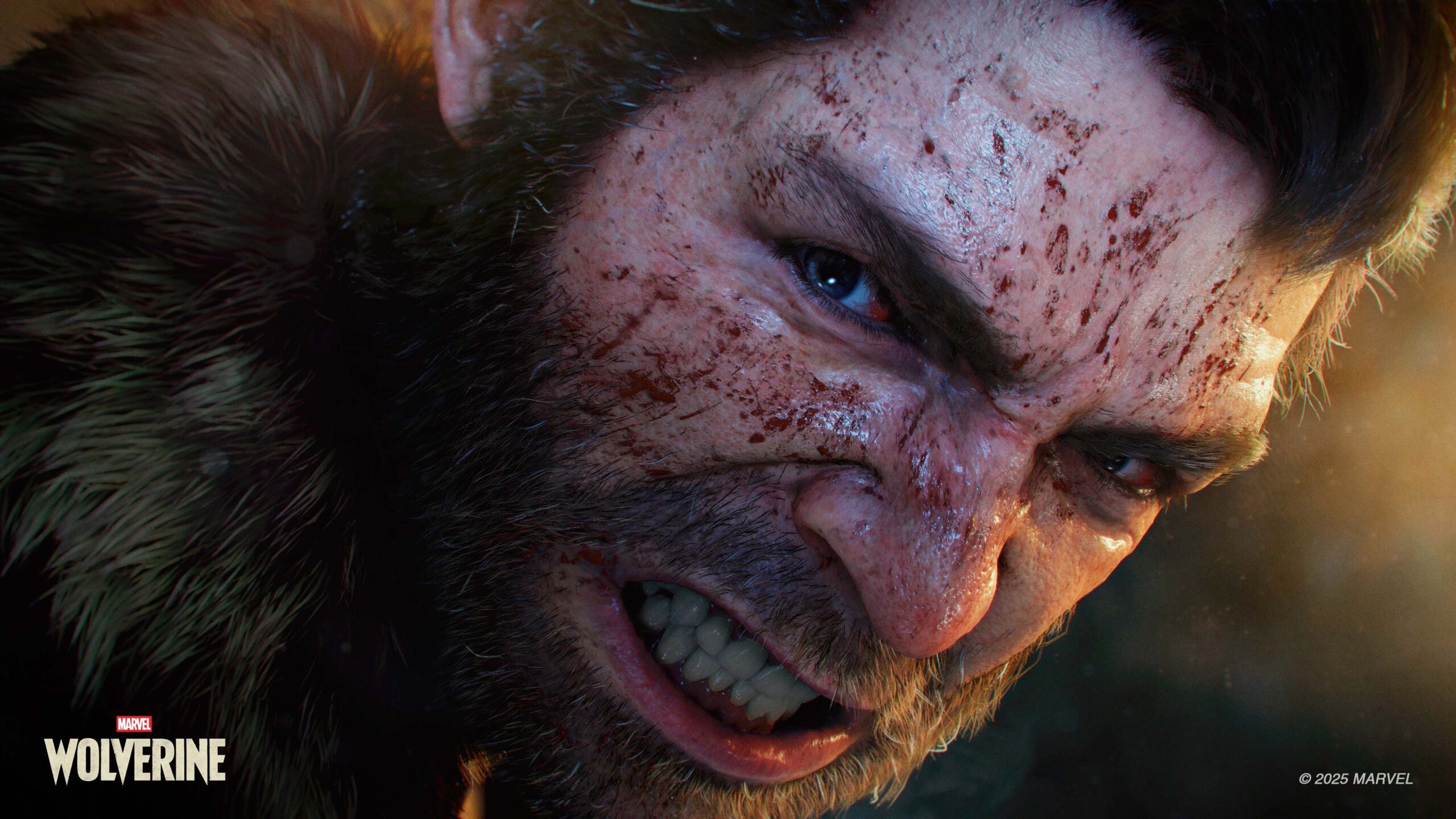
Insomniac’s official Game Features Trailer, narrated by Logan’s voice actor Liam McIntyre, walks through Rage, Techniques and suits in a couple of minutes:
The developers marked launch day on their own channel:
"It ain't about having powers. It's about taking a stand."
— Insomniac Games (@insomniacgames) September 17, 2026
Marvel's Wolverine is available now on PS5: https://t.co/pOiauWWBoz pic.twitter.com/49708CmJgF
10. After the Credits
Finishing the story is not the end of the build:
- New Game Plus, with exclusive Techniques and raised level caps.
- Mission Replay, for revisiting individual chapters.
- Nightmare Challenges, the harder endgame version of the Trials.
- Photo Mode, added in the day one update.
11. Quick Tips Recap
- Parry on purpose. It is your fastest Rage generator, not a panic button.
- Bank Rage when a fight turns. Tier 2 Last Stand is a free revival you have to pay for in advance.
- Cancel combos early. Finishing a string into a telegraphed attack is the most common avoidable death.
- Take survivability Adaptations first. Parry window and Rage output scale with the whole game; flat damage does not.
- Re-equip Techniques per encounter. Knee Breaker for heavies, Tornado Spin for crowds, Spiral Strike for bosses.
- Sweep with Enhanced Senses in every new area. Crates and suits are real power, not flavour.
- Kill the inhibitors first. When your healing factor is gone, the objective is the device, not the crowd.
- Adjust the sliders rather than grinding a wall. Widening the parry timing preserves the fight; lowering enemy health changes it.
Official Resources
- Marvel’s Wolverine on PlayStation — editions, features and the PS5 store listing.
- Insomniac Games — the developer’s own site and patch notes.
- Marvel’s official game hub — character and story background.
- Sony Interactive Entertainment’s launch announcement.
- ESRB rating summary — the full content descriptors.
- Wikipedia entry — development history and reception.
Working through other action guides? We have a full breakdown of Mad Island’s map and boss roster, a strategy primer for Deadlock, and hundreds more in the walkthrough archive.