Apex Legends Ranked Mode Explained: Ranks, RP, Splits and Rewards
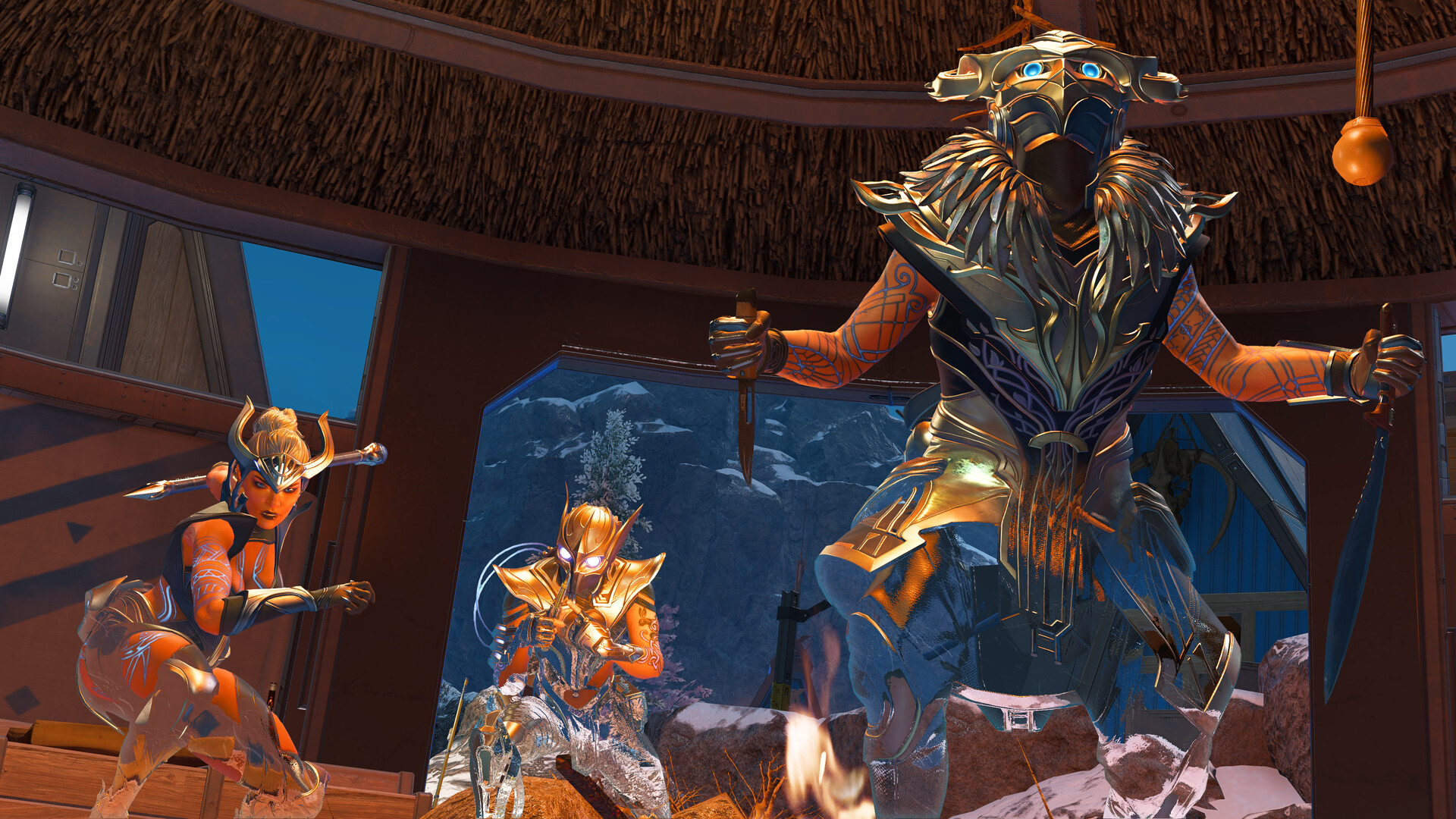
Apex Legends Ranked mode explained end to end: how ranks and divisions work, what each tier costs to queue, exactly how RP is earned from placement and eliminations, and how the twice-a-season Ranked split resets your progress.
Apex Legends' Ranked mode is where the training wheels come off: real stakes, a visible number that goes up or down after every match, and a ladder that resets twice a Season. If you've only ever dropped into Unranked, the jump into Ranked can feel confusing fast — entry costs, demotion protection, Ranked splits and Auras all show up at once. Here's exactly how the system works, straight from Respawn and EA's own documentation.
1. Getting Into Ranked: Road to Ranked and Matchmaking
Ranked is a competitive mode that puts you with other players of a similar skill level. If you're new to Apex Legends and under Level 20, you first need to clear Road to Ranked — three sets of challenges designed to teach the basics before you're thrown into a graded ladder. Once you've cleared all three sets, Ranked unlocks for good; if you already had access before Road to Ranked existed, you keep it automatically.
Matchmaking in Ranked is based on your current Ranked Points (RP), not your raw win rate. The very first time you queue, your starting tier and RP are set by your hidden skill rating from Unranked Trios. If you played Ranked the previous Season, your prior hidden skill value carries over instead. From there, matches get tougher as your RP climbs, and your Legend also progresses independently through Dropship or Drop Zone starts depending on how many Diamond, Master and Predator players are in your lobby.

2. Ranks, Divisions and How the Climb Gets Harder
There are seven named ranks, in order: Rookie, Bronze, Silver, Gold, Platinum, Diamond and Master. Once you reach Master, you can earn the title Apex Predator — reserved for the top 750 players per platform within Master rank. Every rank except Master and Predator is split into four divisions (for example Bronze IV through Bronze I), and you need more RP to clear each division as you climb:
- Rookie to Bronze: 250 RP
- Within Bronze: 500 RP per division
- Within Silver: 500 RP per division
- Silver I to Gold IV and within Gold: 750 RP per division
- Within Platinum (IV to III to II): 750 RP, then 1,000 RP for Platinum I to Diamond IV
- Within Diamond: 1,000 RP per division
Rookie is an introductory tier only — once you've climbed out of it, you can never be placed back, even if you lose every match afterward. Also worth knowing: Ranked progress is tracked separately per platform, so it's entirely normal to be Gold on PC and Bronze on console if you play both.
3. Entry Costs: RP You Pay Just to Queue
Every Ranked match costs RP to enter, and the cost rises with your current rank:
- Rookie: 0 RP
- Bronze: 10 RP
- Silver: 20 RP
- Gold: 38 RP
- Platinum: 48 RP
- Diamond: 65 RP
- Master/Predator: 90 RP
You get RP back for finishing in the top half of the lobby, but if you place poorly in a high-cost match you can genuinely end a game with less RP than you started — this is the mechanic behind "rank decay" complaints late in a Season.
4. How You Actually Earn RP
RP comes from three sources: where your squad placed, how many players you personally eliminated or assisted on, and skill-based bonuses. A few specifics worth knowing before you queue:
- Placement is based on where your team finished out of the 20 squads in the lobby — higher placement makes every kill worth more.
- Eliminations only count kills and assists; healing or reviving teammates earns no RP. If your team kills someone without you landing damage on them, you get a half-value "participation" credit instead of a full kill.
- Past eight kills in a single match, the value of each additional kill, assist or participation is halved.
- Killing a higher-ranked opponent adds a bonus on top of that kill's value: +15% one tier up, +25% two tiers up, +35% three tiers up, and +50% for four or more tiers.
- Streaks of top-five finishes also pay out — 10 RP for a second straight top-five, 20 RP for a third, 30 for a fourth, and 40 RP for a fifth and every one after, until you place outside the top five and the streak resets.

5. EVO Armor and Shield Cores Work Differently in Ranked
Ranked doesn't use the swap-your-armor-off-the-ground system from Unranked. Instead, every Legend starts at EVO Level 1 (white armor) and earns EVO by dealing damage, grabbing EVO caches, and finding EVO Harvesters, unlocking Level 2 (blue) and Level 3 (purple) armor with a new perk each time. Your shields are fueled by a Shield Core that holds your remaining charge — when you down an enemy, their deathbox drops a Shield Core worth exactly their Legend Level, and you can swap or drop Cores at will instead of hunting for a whole new vest.
Picking up a higher-tier Core than your current Legend Level overcharges your armor: you get the extra shield health immediately, but it can't be topped back up, and after 30 seconds any leftover overcharge drains back down to your Legend Level's normal cap. One quirk to remember in the heat of a fight: a dropped Core's color reflects its remaining charge, not the Legend Level of the player who dropped it, so a near-empty Core can still look white even if its owner was fully leveled up.
Reviving in Ranked also runs through Replicators rather than instant banner pickups — one teammate has to be down before you can craft their banner, and any Legend can do it, though Support Legends spawn a Mobile Respawn Beacon in the process.
6. Ranked Splits: When and How Your Rank Resets
Every Season has two Ranked splits — one at the very start, and "split two" roughly halfway through — and each one resets your accumulated RP. At the start of a new Season, you're dropped into a tier that roughly matches your underlying matchmaking rating (MMR) rather than starting everyone from zero. The split-two reset is softer and follows a fixed table:
- Bronze IV–I reset to Bronze IV, 1,000 RP
- Silver IV–I reset to Silver IV, 3,250 RP (plus 250 RP of demotion protection)
- Gold IV–I reset to Gold IV, 5,750 RP (plus 250 RP of demotion protection)
- Platinum IV–I reset to Platinum IV, 8,750 RP (plus 250 RP of demotion protection)
- Diamond IV–III reset to Platinum III, 9,250 RP
- Diamond II–I reset to Platinum II, 10,000 RP
- Master and above reset to Platinum I, 11,000 RP
This is exactly the kind of mid-Season shake-up that recent balance passes build around — our breakdown of the Marked Midseason Patch's Split 2 hotfix covers what else changed for ranked players the last time the ladder reset.
7. Rewards, Badges and Auras
At the end of a Season, your reward is based on the highest rank you reached across either split, not just wherever you finish. Rewards include Ranked Icons and Gun Charms for every participating player, plus Dive Trails for Diamond, Master and Predator finishers. Hit the same rank in both splits and your Season-end badge is the animated version; fall short in split two and you get the standard badge instead.
Auras are a separate cosmetic that shows your current rank in-match once equipped from the Legend Locker, and they update live as your rank changes: Rookie is gray, Bronze is bronze, Silver is silver, Gold is gold, Platinum is teal, Diamond is blue, Master is purple, and Apex Predator is red.
8. Playing With Friends: Party Rank Restrictions
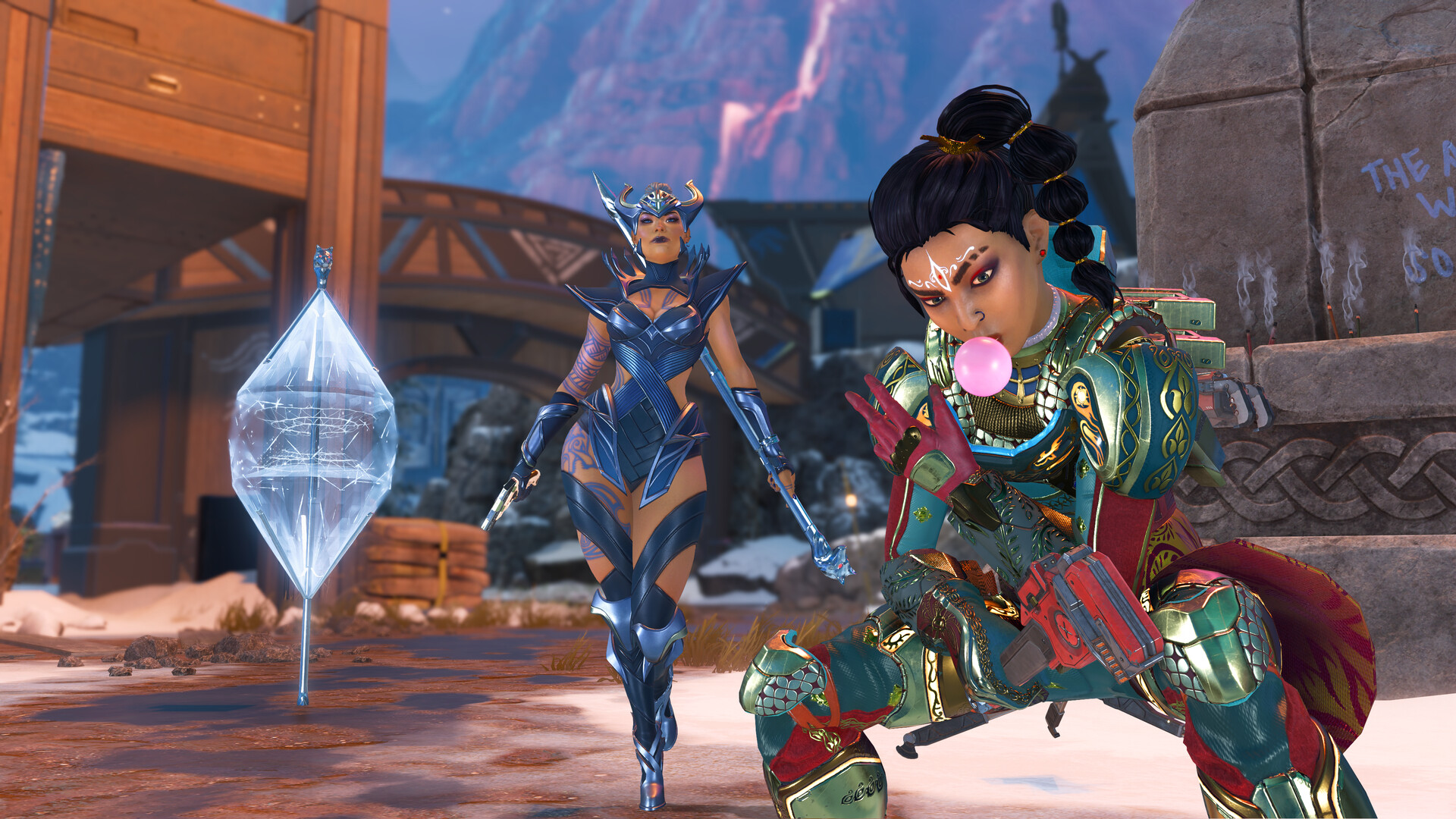
Ranked squads — Duos or Trios — can only form if every player is within two ranks of each other; a Bronze player can queue with Rookie, Bronze, Silver or Gold friends, but not with anyone Platinum or higher. This exists specifically to stop high-ranked players from boosting low-ranked friends, and your whole squad is matched against the lobby using the highest RP value on the team, so stacking with a much higher-ranked friend still means a harder lobby for everyone.
9. Ranked Ladders: The Weekly Side Ladder
Separate from the Season-long climb, Ranked Ladders run every week from Tuesday to Sunday on the Compete tab. You need at least five Ranked matches played and cross-play turned on to take part; you're then placed into a skill-matched leaderboard of up to 100 players, and your score is your five best RP results from that week. Rewards are tiered by where you land on your personal leaderboard — top 10%, top 10-30%, top 30-50%, or bottom 50% — win or lose with a squad or solo.
Quick Tips Recap
- Clear Road to Ranked before Level 20 if you haven't already — there's no way around it.
- Entry costs scale with rank, so a bad Diamond-level game (65 RP in) stings far more than a bad Bronze one (10 RP in).
- Placement sets your kill value baseline — a cautious top-five finish with two kills can out-earn an aggressive four-kill, mid-pack death.
- Don't panic about a soft reset at split two — the table above shows exactly where you'll land based on your pre-split rank.
- Check your squad's rank spread before queuing Duos or Trios; more than two ranks apart and matchmaking will refuse to queue you.
New to the game entirely? Start with our Apex Legends beginner's guide to Legend classes, currencies and every mode before jumping into a graded ladder, and see how the current ranked map rotation ties into World's Edge's latest changes this season. For more guides across every major release, browse the full walkthroughs and guides archive.